
Brazil Recalls Ambassador as Milei Attacks Lula at São Paulo Rally
Brazil recalled its ambassador from Buenos Aires after Argentine President Javier Milei attacked Brazilian institutions and President Lula at a campaign rally for Flávio Bolsonaro in São Paulo, escalating tensions between South America's two largest economies ahead of Brazil's October presidential election.
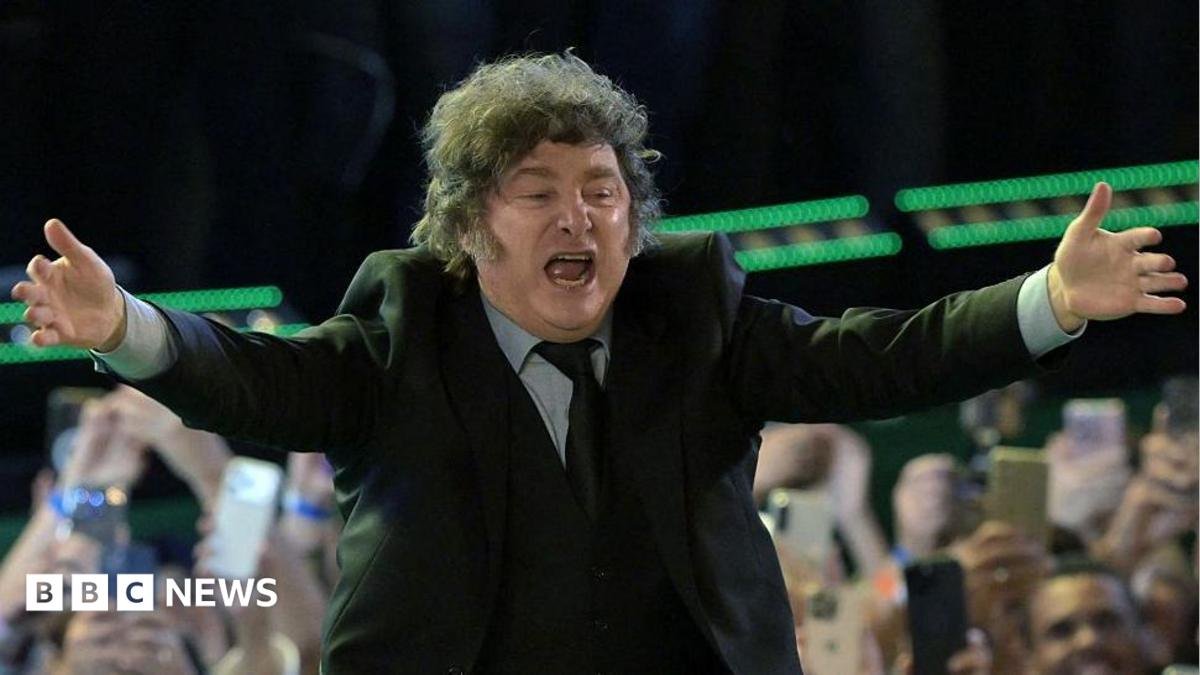
Brazil recalled its ambassador from Buenos Aires after Argentine President Javier Milei delivered sharp public attacks on Brazilian institutions during a campaign event in São Paulo. The move underscores the rapid deterioration in ties between South America's two largest economies, each dependent on the other for critical trade flows. Milei's appearance alongside Flávio Bolsonaro at the rally directly inserted an Argentine leader into Brazil's domestic contest ahead of the October presidential vote. Observers across the region now watch whether this episode will reshape alliances inside Mercosur and influence voter sentiment in both countries.
Brazil Recalls Ambassador as Milei Attacks Lula at São Paulo Rally
São Paulo, Brazil — Argentine President Javier Milei stood beside Flávio Bolsonaro on Saturday in São Paulo and denounced "the thief" and "the convict," remarks Brazilian officials interpreted as direct insults to President Luiz Inácio Lula da Silva. Brazil responded by withdrawing its ambassador from Buenos Aires, citing affronts to two branches of government and Brazilian democracy itself. The episode has placed fresh strain on the countries that serve as each other's largest trading partners and core members of Mercosur.
Milei's Remarks at the Flávio Bolsonaro Campaign Launch
Milei addressed supporters at the São Paulo rally organized to promote Flávio Bolsonaro's presidential bid against Lula. Without naming Lula, the Argentine leader repeatedly referred to "the thief" and "the convict," alluding to Lula's earlier imprisonment on corruption charges later annulled by Brazil's courts. Milei also directed criticism at Supreme Court Justice Alexandre de Moraes, labeling him "bald trash" in remarks understood to target the justice who presided over Jair Bolsonaro's trial. Earlier this month Moraes rejected Milei's request to visit Jair Bolsonaro while the former president remains under house arrest in Brasília.
Brazil's Official Response and Diplomatic Recall
Brazilian diplomats described the comments as insults to the executive and judicial branches as well as to the Brazilian people. One official speaking to AFP stated that Milei had crossed a line by interfering in domestic affairs. President Lula addressed the matter indirectly on Sunday, declaring that Brazil does not accept outsiders "sticking their nose where it doesn't belong." The recall of the ambassador marks the most concrete step taken so far and signals that Brasília intends to treat the episode as a formal diplomatic breach rather than routine political rhetoric.
Brazil and Argentina have maintained formal diplomatic ties since the early nineteenth century, with relations generally characterized by pragmatic cooperation despite periodic rivalries over regional influence and trade routes. The two nations have collaborated on infrastructure projects such as the Itaipu Dam and coordinated positions within Mercosur since its founding in 1991, yet underlying tensions have surfaced during moments of ideological divergence, including disputes over currency policies in the 1990s and border security concerns in the early 2000s.
Past diplomatic spats have included Argentina's objections to Brazilian leadership in South American summits and Brazil's criticism of Argentine protectionist measures during economic crises, but these episodes were typically resolved through quiet bilateral channels rather than public ambassador recalls. The current recall represents a sharper break, reflecting how Milei's direct intervention in Brazilian domestic politics has elevated a routine campaign appearance into a formal breach of protocol.
In diplomatic practice, recalling an ambassador signals serious displeasure without severing relations entirely; the envoy's temporary withdrawal from Buenos Aires removes the primary channel for high-level communication and forces lower-ranking staff to handle routine matters. This step underscores Brasília's view that Milei's remarks crossed into unacceptable interference, while leaving open the possibility of a swift return once tensions ease.
Implications for Brazil's October Presidential Election
Flávio Bolsonaro, son of the jailed former president, now carries the endorsement of Jair Bolsonaro, who received a sentence exceeding 27 years for plotting to remain in power after losing the 2022 election to Lula. Current polling shows Lula maintaining a lead, yet more than 10 percent of voters remain undecided. Milei's explicit endorsement of Flávio Bolsonaro at the São Paulo event supplies the right-wing candidate with visible international backing at a moment when undecided voters could still shift.
Brazil's presidential contest requires a candidate to secure over 50 percent of valid votes in the first round or face a runoff, with key swing states in the Southeast and Center-West often determining outcomes alongside the traditionally Lula-friendly Northeast. Flávio Bolsonaro's campaign must mobilize evangelical voters and urban middle-class conservatives while chipping away at Lula's advantages among younger demographics and low-income households in the Northeast.
Foreign endorsements have rarely swayed Brazilian voters decisively, yet they can polarize opinion by framing candidates as either internationally isolated or unduly influenced by outsiders. Milei's appearance risks reinforcing Lula's narrative of defending national sovereignty, particularly among undecided voters who may interpret the Argentine leader's involvement as an unwelcome intrusion into domestic affairs.
Flávio Bolsonaro draws strength from evangelical communities and conservative strongholds in the South and Southeast, while Lula maintains robust support among youth and Northeastern voters concerned with social programs. Milei's explicit backing may consolidate right-wing turnout but could simultaneously galvanize Lula's base by highlighting external attempts to influence the race, leaving the impact on the roughly 10 percent of undecided voters uncertain.
Lula-Bolsonaro Political Dynasty and Institutional Tensions
The confrontation revives long-standing divisions between Lula's Workers' Party and the Bolsonaro family's Liberal Party. Jair Bolsonaro's house arrest and electoral disqualification have shifted the family's strategy toward Flávio's candidacy, with Milei positioned as an external ally. Lula's measured public response avoids direct escalation yet reinforces institutional boundaries defended by the Supreme Court and the Federal Police. The episode highlights how personal and familial political legacies continue to shape Brazil's governance, with each side drawing on distinct networks across Latin America.
Milei's Confrontational Style and Its Regional Reach
Milei has built his profile on direct challenges to established leaders, and the São Paulo appearance extends that approach beyond Argentina's borders. By aligning publicly with Flávio Bolsonaro and criticizing Brazilian judicial figures, Milei tests the limits of diplomatic protocol between neighboring states. Brazilian officials view the language as an overstep that undermines the mutual respect required for managing shared borders, energy projects, and supply chains. The episode also illustrates how Milei's outsider posture can quickly translate into concrete diplomatic costs when directed at Brazil's executive and judicial authorities.
Milei's "chainsaw" approach to austerity at home, which includes sharp cuts to public spending and confrontations with unions and provincial governors, has already strained Argentina's international credit standing and complicated negotiations with the IMF. Extending this combative posture to foreign diplomacy risks isolating Argentina within regional forums where consensus-building remains essential for collective bargaining power.
Compared with leaders such as Brazil's Lula, who favors multilateral dialogue, or Uruguay's more measured engagement style, Milei's rhetoric prioritizes ideological signaling over institutional continuity. This approach may energize his domestic base yet carries measurable costs in lost access and delayed cooperation with neighbors whose markets remain vital to Argentine recovery.
Mercosur Trade Relations Under Fresh Pressure
Brazil and Argentina conduct the largest bilateral trade relationship in South America, covering agricultural goods, manufactured products, and energy. Any prolonged diplomatic chill risks complicating ongoing Mercosur negotiations on tariffs and regulatory alignment. Officials in São Paulo and Buenos Aires have not yet signaled changes to existing trade mechanisms, yet the ambassador's recall introduces uncertainty into routine consultations.
Bilateral trade between Brazil and Argentina reached approximately $30 billion in recent years, with Brazil exporting vehicles, machinery, and iron ore while importing Argentine agricultural products, natural gas, and manufactured goods. Disruptions in diplomatic channels could delay customs clearances and joint regulatory decisions that facilitate this flow, particularly in the automotive sector where integrated supply chains cross the border multiple times during production.
Agribusiness and energy represent additional flashpoints, as Argentina seeks reliable outlets for soy and beef while Brazil depends on Argentine gas imports during peak demand periods. The ongoing Mercosur-EU trade agreement, which has faced repeated delays over environmental and agricultural concerns, could suffer further setbacks if Brazil and Argentina fail to present a united front during technical talks.
Broader Latin American Context and Future Outlook
The crisis arrives at a time when several South American governments balance domestic electoral pressures with the need for stable cross-border commerce. Lula's administration has emphasized sovereignty and institutional defense, while Milei's intervention highlights ideological fault lines that run through the continent. If the recalled ambassador remains absent for an extended period, both countries could face delays in resolving practical issues such as customs procedures and infrastructure coordination. Regional partners in Uruguay and Paraguay monitor whether the dispute will affect collective bargaining positions with external markets.
Observers in Brasília and Buenos Aires continue to assess whether quiet diplomacy can restore working relations before the October vote further intensifies domestic rhetoric. The coming weeks will test whether pragmatic economic interests can outweigh ideological friction, and whether the continent's largest trade relationship can withstand the strain of its leaders' most personal confrontations.
By Elena Vasquez, Staff WriterThis article was produced with AI-assisted research and editorial support. Reporting is based on sources cited in the article.
What's Your Reaction?
 Like
0
Like
0
 Dislike
0
Dislike
0
 Love
0
Love
0
 Funny
0
Funny
0
 Wow
0
Wow
0
 Sad
0
Sad
0
 Angry
0
Angry
0

Latin America Correspondent at Global1.News. Based in Mexico City, covering politics, economics, energy, and culture across the region. Brings an on-the-ground perspective to stories spanning from the Rio Grande to Patagonia.













Comments (0)