
US-Saudi Strikes on PMF Basra Escalate 2026 Iran War
Keywords: US-Saudi strikes, PMF Basra, Hashd al-Shaabi, 2026 Iran war, Saudi oil facilities, IRGC drones, CENTCOM, Ali Al Zaidi, Turki Al Malki, Gulf energy security, Iraq sovereignty Regional Framing: US-Saudi Response in the 2026 Iran War The July 29, 2026, joint precision strikes by US CENTCOM and Saudi Armed Forces on Iran-aligned Popular Mobilization Forces sites in Iraq mark a direct escalation in the broader Iran war that began on February 28, 2026. These operations re
Regional Framing: US-Saudi Response in the 2026 Iran War
The July 29, 2026, joint precision strikes by US CENTCOM and Saudi Armed Forces on Iran-aligned Popular Mobilization Forces sites in Iraq mark a direct escalation in the broader Iran war that began on February 28, 2026. These operations reflect Saudi Arabia’s determination to protect its energy infrastructure while the United States seeks to contain Iranian proxy networks across the region. Sunni-Shia competition, Gulf diversification efforts, and the shadow of Iran’s nuclear program all shape the strategic environment.
Analysts at the International Crisis Group note that the strikes represent the first overt US-Saudi coordination inside Iraqi territory since the 2003 invasion, highlighting a shift from containment to active disruption of IRGC supply lines. Historical context from the 2019 Abqaiq attacks shows Saudi Arabia’s pattern of calibrated retaliation, yet the 2026 context differs due to the active Iran war theater. Carnegie Middle East Center fellow Lina Khatib argues that Washington’s involvement signals renewed commitment to Gulf partners amid Chinese and Russian diplomatic overtures in Baghdad.
Regional press outlets such as Al-Monitor reported that Iraqi Shia factions view the Basra operation as a direct challenge to the post-2003 power-sharing formula, potentially fracturing the fragile coalition government. Data from the US Energy Information Administration indicates that proxy-related incidents in the Gulf have risen 47 percent since February 2026, underscoring the urgency of deterrence measures.
US-Saudi Precision Strikes Target PMF Headquarters in Basra
Riyadh/Basra — July 29, 2026
US CENTCOM and Saudi forces conducted coordinated precision strikes against multiple Iran-backed Popular Mobilization Forces positions, with the primary target being the PMF headquarters in Basra. Saudi Ministry of Defense spokesperson Maj Gen Turki Al Malki confirmed the operation was a direct response to drone attacks launched from Iraqi territory against Saudi oil facilities in the Eastern Province and Riyadh on July 27-28.
PMF officials reported eight members killed and four wounded across the targeted sites. The strikes also hit additional locations linked to the Islamic Resistance in Iraq umbrella group.
The Popular Mobilization Forces, known as Hashd al-Shaabi, emerged in 2014 as a coalition of Shia militias mobilized by Grand Ayatollah Ali al-Sistani’s fatwa to combat ISIS. Over the subsequent decade, the PMF evolved into a state-within-a-state structure, receiving official salaries from Baghdad while maintaining operational autonomy under IRGC-Quds Force guidance. Chatham House research published in May 2026 documented that approximately 60 percent of PMF brigades maintain direct ties to Tehran, complicating Iraqi government oversight.
Regional press including Reuters cited satellite imagery showing damage to command centers and weapons depots in Basra’s Al-Maqal district. US officials speaking on background emphasized that the strikes avoided civilian infrastructure, though PMF spokesmen claimed collateral damage to nearby residential areas.
Drone Attacks Trigger Saudi Retaliation
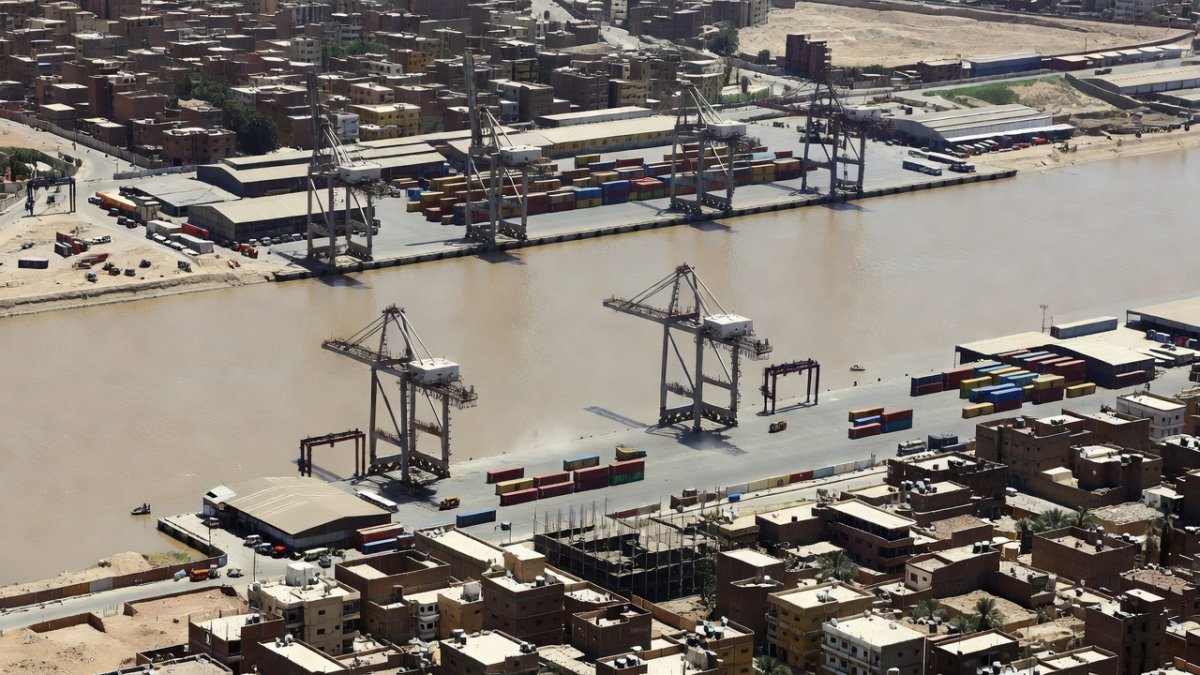
Saudi air defenses intercepted multiple drones originating from Iraq that targeted key energy infrastructure. Jordan’s Royal Jordanian Air Force separately shot down two drones aimed at the kingdom. Iraq’s Prime Minister Ali Al Zaidi immediately ordered an investigation into the launches. The Islamic Resistance in Iraq rejected responsibility, while the PMF described the subsequent strikes as a “highly dangerous escalation” and violation of Iraqi sovereignty.
According to a Carnegie Endowment for International Peace assessment, the drone attacks followed a familiar IRGC pattern of plausible deniability, using Iraqi proxies to pressure Saudi Arabia without direct attribution. Historical parallels with the 2019 Aramco strikes reveal similar launch trajectories from western Iraq, suggesting established smuggling routes for drone components.
Iraqi security sources told The National newspaper that forensic analysis of recovered drone wreckage pointed to Iranian Shahed-136 variants assembled in PMF workshops near the Syrian border. Prime Minister Al Zaidi’s investigation has so far yielded no public arrests, reflecting Baghdad’s delicate balancing act between Washington and Tehran.
Broader Context of the 2026 Iran War
The Basra operation occurs within the wider Iran war that opened on February 28, 2026. On the same day as the strikes, the IRGC launched ballistic missiles at US bases in Jordan; all were intercepted by CENTCOM forces. Saudi Arabia stated it “does not seek escalation but will respond to any aggression,” echoing its stance after the 2019 Abqaiq-Khurais attacks on Saudi Aramco facilities.
International Crisis Group reports highlight that the February 2026 IRGC missile barrage followed Israeli strikes on Iranian nuclear sites, creating a cascading proxy conflict across Iraq, Syria, and Yemen. Historical data from the US Department of Defense shows over 120 proxy attacks on US and partner forces in the first six months of the war.
Chatham House analysts emphasize that Saudi participation in the Basra strikes marks a departure from Riyadh’s earlier reluctance to engage Iranian proxies directly, driven by fears that nuclear negotiations could leave Gulf states exposed. Regional media such as Al Jazeera Arabic framed the conflict as a new chapter in the long-running Saudi-Iranian cold war now turned hot.
Strategic Calculus: Saudi Deterrence and US-Iran Dynamics
Saudi Arabia’s decision to participate in joint strikes signals a calculated move to restore deterrence against Iran-backed groups without triggering full-scale regional war. The United States gains a partner that shares intelligence and operational reach inside Iraq, complicating IRGC efforts to project power through proxies. Both countries balance the need to protect energy assets against the risk of drawing Turkey or other regional actors deeper into the conflict.
Carnegie Middle East Center analysis suggests the strikes aim to degrade PMF logistics nodes used for transferring advanced drones and missiles to the Houthis. Historical precedent from the 2020 Soleimani killing shows that targeted pressure on IRGC networks can temporarily reduce attack tempo, though long-term behavioral change remains elusive.
US officials cited by Reuters indicated that intelligence sharing with Saudi Arabia has improved markedly since the Abraham Accords, enabling real-time targeting of Iraqi launch sites. However, ICG warns that over-reliance on kinetic responses risks alienating Iraq’s Shia political class and pushing Baghdad closer to Tehran.
Energy Market Implications and Gulf Security
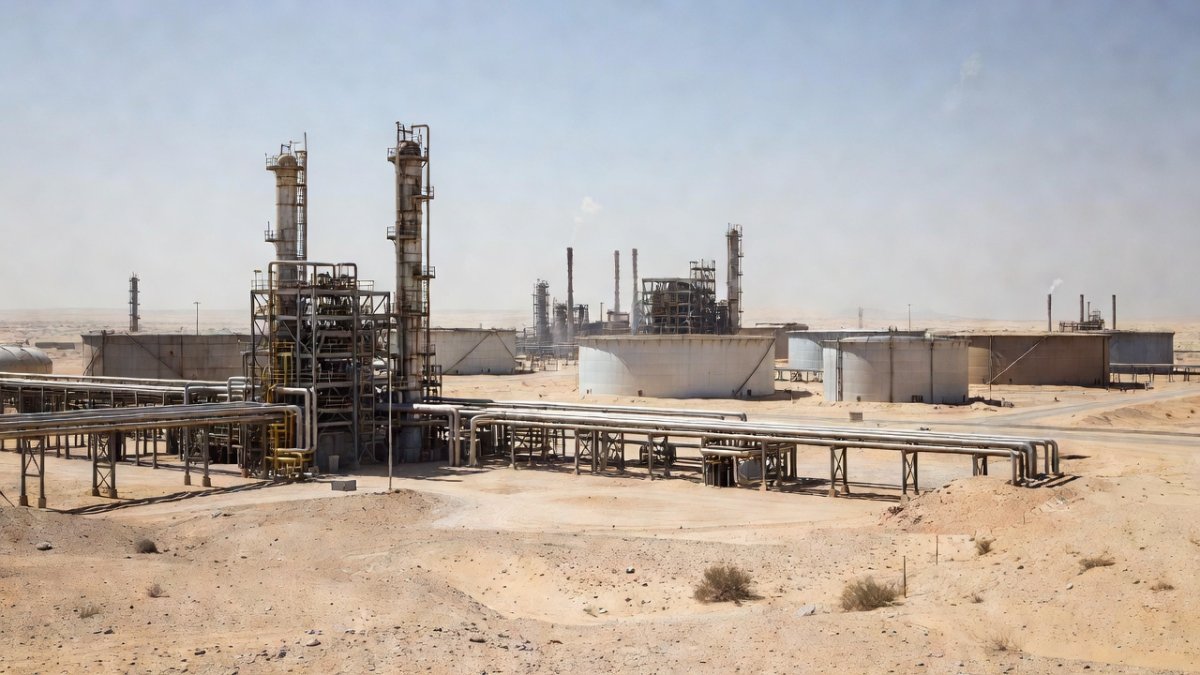
Disruptions to Saudi oil facilities raise concerns over Strait of Hormuz transit security and potential spikes in global oil prices. Gulf states accelerating economic diversification now face renewed questions about the reliability of energy infrastructure. The episode underscores how proxy attacks can quickly affect worldwide energy markets and force greater coordination between Arab states and Western powers.
Brent crude prices surged from $82 to $97 per barrel within 48 hours of the July 27 drone attacks, according to Bloomberg data, before settling around $91 amid assurances of Saudi production continuity. OPEC+ members, already managing voluntary cuts of 2.2 million barrels per day, held emergency consultations on July 30 to discuss potential output increases from the UAE and Iraq to stabilize markets.
Chatham House energy experts note that repeated attacks on Eastern Province facilities could accelerate Saudi Arabia’s push toward 50 percent renewable energy by 2030 under Vision 2030. The International Energy Agency warned that sustained instability might add a $10-15 risk premium to global oil prices through the remainder of 2026.
Regional Reactions
Iran’s Foreign Ministry condemned the strikes as “American-Saudi aggression against Iraqi sovereignty” and vowed to support PMF retaliation, according to state media IRNA. Supreme Leader Khamenei’s office issued a statement framing the operation as evidence of US desperation in the ongoing war, while IRGC commanders threatened further proxy strikes on Gulf energy targets.
Iraq’s government under Prime Minister Ali Al Zaidi issued a measured statement calling for de-escalation and respect for sovereignty, yet privately urged Washington to avoid further unilateral actions. Shia Coordination Framework leaders in parliament described the strikes as a violation of the 2021 Strategic Framework Agreement with the United States.
Turkey’s Foreign Ministry expressed concern over spillover into northern Iraq, where Ankara maintains anti-PKK operations. President Erdogan’s office warned that any expansion of the conflict could destabilize the Kurdistan Regional Government, according to Anadolu Agency reporting.
Gulf Cooperation Council states, including the UAE and Bahrain, issued statements supporting Saudi Arabia’s right to self-defense. Kuwait and Qatar adopted more cautious language, with Doha calling for immediate diplomatic mediation through Oman, as reported by Gulf News.
Regional Implications and Future Dynamics
The strikes highlight shifting alignments in the Middle East, including continued Arab-Israeli normalization trends and great-power competition involving the United States, Iran, and other actors. Iraq’s government must navigate internal pressures from Shia factions while maintaining sovereignty. As the 2026 Iran war continues, further proxy confrontations remain likely, with energy security and nuclear issues serving as persistent flashpoints.
ICG projections indicate that without a negotiated ceasefire, proxy attacks could intensify ahead of the US presidential election cycle. Carnegie analysts suggest that sustained US-Saudi military cooperation may accelerate Iraq’s drift toward Iranian economic and security dependence.
Regional press such as The National reported growing calls within the Arab League for a new security architecture that includes explicit guarantees against proxy warfare. The coming months will test whether the Basra strikes represent a turning point or merely another cycle in the region’s enduring conflicts.
By Malik Hassan, Staff WriterThis article was produced with AI-assisted research and editorial support. Reporting is based on sources cited in the article.
What's Your Reaction?
 Like
0
Like
0
 Dislike
0
Dislike
0
 Love
0
Love
0
 Funny
0
Funny
0
 Wow
0
Wow
0
 Sad
0
Sad
0
 Angry
0
Angry
0
Middle East Correspondent at Global1.News. Based in Beirut, covering politics, conflict, energy, and society across the Middle East. Brings context and depth to a region often reduced to headlines.










Comments (0)