
Abramovich's Backchannel Diplomacy: Moscow-Kyiv Peace Pipeline
Russian billionaire Roman Abramovich traveled to Kyiv last month for a private meeting with Ukrainian President Volodymyr Zelensky. The encounter served as a direct conduit to notify President Vladimir Putin that Ukraine would not surrender the eastern Donbas region under any circumstances. Abramovich, the former owner of Chelsea FC who remains under Western sanctions, has oper
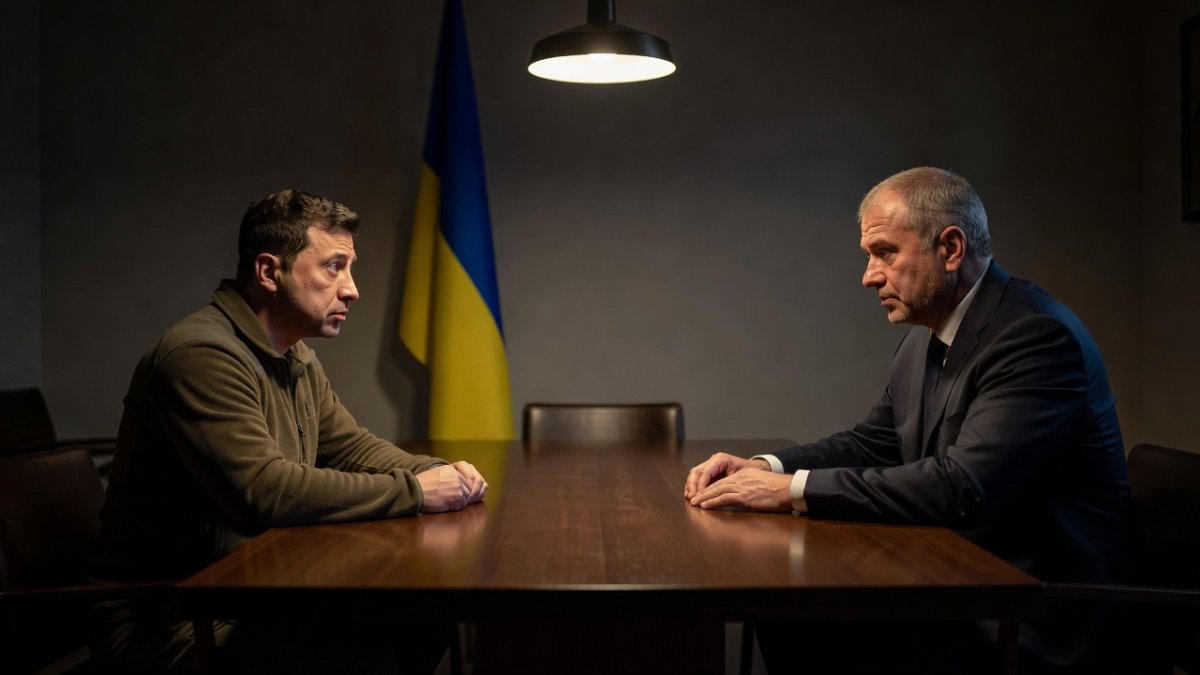
Russian billionaire Roman Abramovich traveled to Kyiv last month for a private meeting with Ukrainian President Volodymyr Zelensky. The encounter served as a direct conduit to notify President Vladimir Putin that Ukraine would not surrender the eastern Donbas region under any circumstances.
Abramovich, the former owner of Chelsea FC who remains under Western sanctions, has operated in this capacity before. His involvement underscores the persistent role of oligarch networks in Russian power structures, where trusted intermediaries can relay messages outside formal channels controlled by the Foreign Ministry or Defense Ministry.
Abramovich's Backchannel Diplomacy: The Oligarch Peace Pipeline Between Moscow and Kyiv
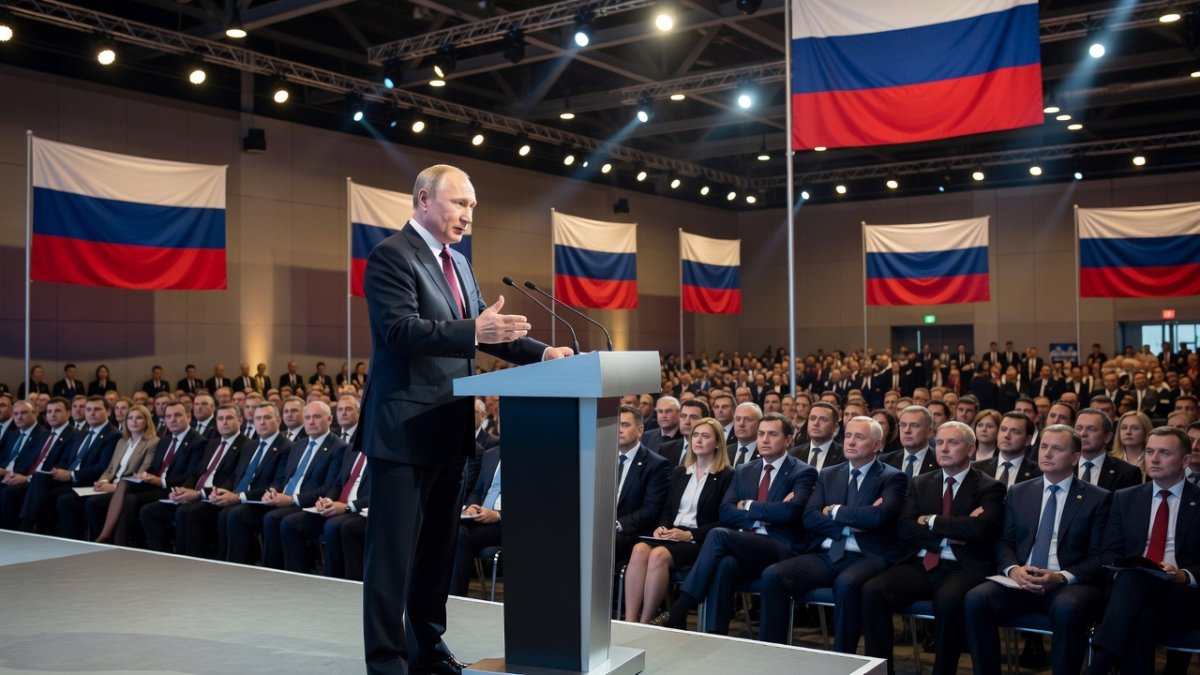
Moscow, Russia — Speaking at the St. Petersburg International Economic Forum on Friday, Putin described receiving a call three weeks earlier from a businessman he has known for a very long time. The individual, invited to Kyiv, sought guidance on whether to proceed with the trip.
Putin's Account from St. Petersburg
Putin stated he could not authorize the businessman to act on behalf of the state. He emphasized that such matters must be handled by serious, specially trained people from the Foreign Ministry, the Defense Ministry, and other services. After the businessman's return, Putin met him the day before a deadly Ukrainian strike on a vocational college in the Russian-occupied town of Starobilsk in eastern Ukraine.
The most important detail conveyed, according to Putin, was that Zelensky had requested the meeting. Putin reiterated his position that any direct encounter with Zelensky would occur only when both sides are prepared to sign a settlement agreement with long-term historical perspective, not temporary pauses.
"I do not see the point in meeting. The only purpose for the Ukrainian side would be to stop the advance of our Armed Forces. We need agreements not for six months or three months, but for a long-term historical perspective," Putin said.
Zelensky's Firm Stance on Donbas
In an interview with Sky News broadcast Sunday, Zelensky confirmed the meeting and explained its purpose. Abramovich had come to gauge what Ukraine was ready to do to initiate peace talks.
Zelensky delivered a clear message on Donbas: Ukraine will not leave and will not go out from its territory. He stated that Ukraine would not grant Russia a victory in that manner.
"I said to [Abramovich] about Donbas, and it was the key message: I said we will not leave and we will not go out from our territory," Zelensky said. "No, we will not give you a victory in such a way. And you will not get it."
This position reflects Kyiv's determination amid shifting international dynamics, as the United States steps back from its previous mediating role.
Abramovich's History as Mediator
Abramovich previously served as a key mediator during failed peace talks in the opening weeks of Russia's 2022 invasion. His role reportedly began after a late-night phone call from filmmaker Alexander Rodnyansky, whose son advised Zelensky. Rodnyansky indicated that Ukraine needed someone capable of delivering unvarnished truth to Putin.
Putin alluded to this longstanding acquaintance on Friday, noting that while close contacts do not exist, he trusts Abramovich as an honest person. During spring 2022 talks hosted by Turkey, Turkish President Recep Tayyip Erdogan observed that Abramovich's presence showed he was trusted by Moscow. Then-Turkish Foreign Minister Mevlut Cavusoglu described Abramovich's efforts as sincere. Kremlin spokesman Dmitry Peskov clarified at the time that Abramovich was not an official delegation member but helped ensure certain contacts between the sides.
Abramovich also acted as a backchannel during negotiations over the 2022 Black Sea grain deal brokered by the United Nations. In August 2023 he met Saudi Crown Prince Mohammed bin Salman in Riyadh to discuss a prisoner-of-war exchange between Moscow and Kyiv. This led to a high-profile swap involving pro-Russian Ukrainian politician Viktor Medvedchuk and several foreign nationals, along with Moscow handing over 215 prisoners, many connected to the defense of Ukraine's Azovstal steel plant.
Geopolitical Implications and European Engagement
Abramovich remains a leading member of the Russian Union of Industrialists and Entrepreneurs, the influential lobbying group known as the oligarchs' union. His earlier service as governor of Russia's Chukotka region from 2000 to 2008 illustrates the post-Soviet pathways through which business figures maintain access to Kremlin decision-making circles.
These backchannel efforts occur against a backdrop where Ukraine is simultaneously turning to Europe. Zelensky met with the leaders of Britain, Germany, and France in London on Sunday, as European capitals consider taking a more active role in peace negotiations following more than a year of unsuccessful U.S. mediation. Such developments highlight how oligarch intermediaries continue to shape outcomes that affect ordinary Russians and populations across the region, even as formal structures like the Foreign Ministry and Defense Ministry retain official primacy.
By Irina Volkov, Staff Writer
This article was produced with AI-assisted research and editorial support. Reporting is based on sources cited in the article.
What's Your Reaction?
 Like
0
Like
0
 Dislike
0
Dislike
0
 Love
0
Love
0
 Funny
0
Funny
0
 Wow
0
Wow
0
 Sad
0
Sad
0
 Angry
0
Angry
0
Russia/Eastern Europe Correspondent at Global1.News. Covering Russian politics, energy, security, and the shifting dynamics of the post-Soviet space. Provides clear-eyed analysis on one of the world's most opaque regions.









Comments (0)