
Xi Jinping's June 2026 State Visit to Pyongyang: Strategic Calculations in Northeast Asia
Xi Jinping's June 2026 State Visit to Pyongyang: Strategic Calculations in Northeast Asia Historical Context and the Seven-Year Hiatus The state visit by Chinese President Xi Jinping and his wife to Pyongyang from June 8 to 9, 2026, marked the first such trip in seven years. This extended interval points to a period of cooling in bilateral relations between China and North Kore
Historical Context and the Seven-Year Hiatus
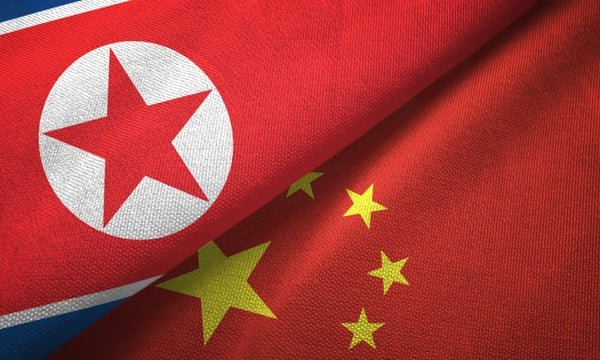
The state visit by Chinese President Xi Jinping and his wife to Pyongyang from June 8 to 9, 2026, marked the first such trip in seven years. This extended interval points to a period of cooling in bilateral relations between China and North Korea. The gap aligns with North Korea's deepening involvement in Russia's war in Ukraine, which introduced new frictions into the traditional China-North Korea partnership. In the broader Korean context, this hiatus reflects shifts in inter-Korean dynamics, where North Korea has sought to reposition itself amid great-power competition rather than relying solely on its historical ties with Beijing.
Xi's delegation included high-ranking figures such as Cai Qi, a member of the Standing Committee of the Political Bureau; Wang Yi, Minister of Foreign Affairs and Member of the Central Committee; and Dong Jun, Minister of National Defense. These selections underscored the visit's emphasis on protocol over immediate policy breakthroughs. For Korea specialists, the timing resonates with historical precedents of Chinese leaders using visits to signal continuity in Northeast Asian diplomacy while navigating tensions on the peninsula.
Diplomatic Developments Preceding the Pyongyang Trip
Several key events shaped the environment before Xi's arrival. From May 13 to 15, Xi met U.S. President Donald Trump in Beijing, where the U.S. fact sheet reiterated the need for North Korean denuclearization. Chinese readouts remained less specific on this point. Shortly afterward, from May 19 to 20, Russian President Vladimir Putin conducted his 25th visit to China and signed more than 20 bilateral agreements, likely centered on military and defense logistics cooperation amid the Ukraine conflict.
North Korean leader Kim Jong Un responded with displays signaling no intention of abandoning nuclear weapons. At the Shangri-La Dialogue in Singapore from May 30 to June 1, U.S. Secretary of Defense Pete Hegseth delivered a restrained speech, while China dispatched a delegation of military experts and scholars rather than its defense minister. These sequences illustrate how regional actors, including those influencing South Korea's security posture, maneuver around U.S. alliances without direct confrontation.
The Primarily Ceremonial Character of the Visit
Very little has been revealed about substantive issues addressed during the June 8-9 meetings, indicating that the purpose was largely ceremonial. Chinese state-run media, including the People's Daily, published highly exaggerated reports of the visit's importance to maximize propaganda value. This approach allowed China to project diplomatic engagement without conceding substantial economic or security commitments to North Korea.
In the Korean context, such ceremonial framing serves practical ends. It enables Beijing to maintain leverage against Washington while avoiding deeper entanglement in peninsula affairs that could affect inter-Korean relations. The visit thus functioned as a calibrated signal rather than a transformative event in bilateral ties.
China's Strategic Motivations and Economic Leverage
Xi held sound strategic reasons for the meeting despite the limited substance. China welcomes the joint opposition by Russia and North Korea to U.S. alliances in the region but remains wary of Russia emerging as North Korea's dominant strategic patron. During the talks, Xi likely reminded Kim that his "20×10" economic development project depends on assistance from China. Discussions also covered South Korean plans to build nuclear-powered attack submarines with U.S. cooperation, highlighting implications for regional stability and Korean defense policy.
These elements connect directly to Korean institutions and historical patterns. China's economic role has long influenced North Korea's development choices, and any reminder of this dependency carries weight in Pyongyang's calculations. The visit thus reinforced Beijing's position as a key economic anchor while countering Russian inroads through new infrastructure like the Tumen River road bridge opening that summer.
North Korea's Projection of Strategic Autonomy
North Korea used the visit to project an image of strategic autonomy, signaling its ability to navigate between great powers in a manner reminiscent of South Korea's own balancing acts. Recent constitutional changes declaring a relationship of "two hostile states" primarily legitimize North Korea's nuclear arsenal and seek recognition as an official nuclear state. These changes also represent an indirect strategy to improve relations with the United States while sidelining South Korean involvement.
North Korea hoped for stronger Chinese language condemning U.S.-South Korea joint military exercises, which it labels "hostile war rehearsals." Analysts note that Kim may still hold a grudge from perceived Chinese interference in the Singapore and Hanoi summits during Trump's first term, potentially explaining the seven-year gap if Kim had declined an earlier invitation. This dynamic affects daily life in Korea by sustaining uncertainty around inter-Korean dialogue and economic cooperation.
Competition Between China and Russia for Influence
Relations between China and Russia rest on a mutual desire to escape the constraints of a U.S.-led international order, with Russia positioned as the junior partner. Yet they are not natural allies, and Xi's visit formed part of ongoing competition to expand influence over North Korea. China has resumed cross-border rail services and weekly flights via Chinese airlines, signaling deeper economic cooperation that had languished since the pandemic.
Russia has pursued parallel steps, including direct flights between Moscow and Pyongyang last year and reestablished rail links. The anti-Western trilateral concept remains largely symbolic, as North Korea's primary goal is to extract maximum material aid from both neighbors. In Korean terms, this competition shapes foreign policy options and educational narratives around national sovereignty amid external pressures.
Geopolitical Ramifications for Future Diplomacy
The visit carries several likely ramifications. During his forthcoming trip to the United States in September, Xi will leverage the Pyongyang engagement to limit U.S. involvement in North Korean issues, including denuclearization talks. This positions China to shape outcomes on the peninsula while monitoring South Korea's submarine plans and alliance activities.
Overall, the June 2026 visit underscores pragmatic diplomacy that advances Chinese interests without major concessions. It highlights North Korea's efforts to secure autonomy and aid, with ripple effects on inter-Korean relations and regional security structures. For policymakers in Seoul and beyond, these developments warrant close attention to evolving great-power dynamics on the Korean Peninsula.
By Prof. David Park, Staff WriterThis article was produced with AI-assisted research and editorial support. Reporting is based on sources cited in the article.
What's Your Reaction?
 Like
0
Like
0
 Dislike
0
Dislike
0
 Love
0
Love
0
 Funny
0
Funny
0
 Wow
0
Wow
0
 Sad
0
Sad
0
 Angry
0
Angry
0

East Asia/Technology Correspondent at Global1.News. Seoul-based voice covering Korean politics, technology, business, and culture. Analyzes how technology and geopolitics intersect across East Asia.















Comments (0)