
WHO: 99 Palestinians Dead from Malnutrition in Gaza This Year
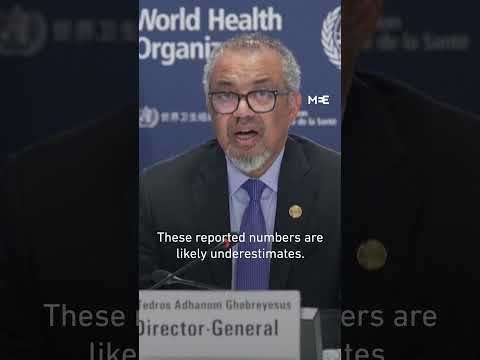
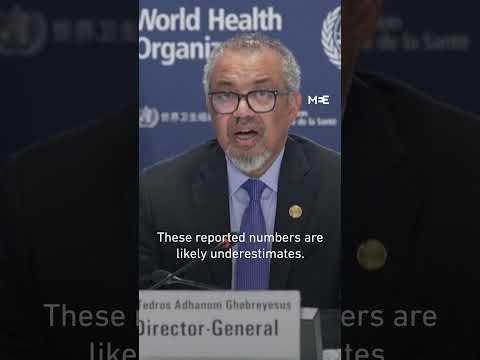
In a recent Middle East Eye report, WHO Director-General Tedros Adhanom Ghebreyesus stated that 99 Palestinians have died from malnutrition in Gaza this year, including 29 children under five, with the numbers described as "likely underestimates." The WHO Announcement and Its Significance The announcement by Tedros Adhanom Ghebreyesus marks a formal recognition from the World H
The WHO Announcement and Its Significance
The announcement by Tedros Adhanom Ghebreyesus marks a formal recognition from the World Health Organization of acute malnutrition deaths in Gaza during 2024. The figure of 99 deaths, including 29 children under five, was presented alongside explicit caution that these numbers represent underestimates due to collapsed health surveillance systems. Tedros highlighted how repeated aid restrictions have directly contributed to preventable fatalities across multiple governorates.
WHO data collection relies on hospital reports and field assessments from partners such as UNICEF and the Gaza Ministry of Health. With many facilities damaged or inaccessible, verification remains incomplete. The statement carries weight because it comes from the WHO chief rather than a lower-level spokesperson, signaling institutional concern over famine thresholds.
Public health experts note that malnutrition deaths rarely occur in isolation. They typically follow prolonged caloric deficits that weaken immune systems and trigger secondary infections. Tedros connected the deaths to broader access barriers at crossings including Kerem Shalom and Rafah, where truck inspections and permit requirements have slowed deliveries for months.
This development places Gaza among a small number of contemporary conflict zones where international agencies have documented malnutrition mortality at scale. It also underscores the limits of current humanitarian exemptions under international law when applied to densely populated civilian areas under blockade conditions.
The Broader Malnutrition Crisis in Gaza
Acute malnutrition rates have risen sharply since late 2023, with the Integrated Food Security Phase Classification system placing large portions of Gaza in IPC Phase 4 and pockets in Phase 5. The IPC framework defines Phase 5 as famine when at least 20 percent of households face extreme food shortages, acute malnutrition exceeds 30 percent in children, and daily mortality surpasses two per 10,000 people.
UN agencies including WFP and UNICEF have reported that commercial food imports remain minimal while humanitarian convoys face repeated delays. Northern Gaza has experienced the most severe shortages, with residents relying on limited distributions that often consist of single food items lacking nutritional diversity. Anemia rates among pregnant women have climbed, according to clinic data compiled before many facilities ceased operations.
Water scarcity compounds the problem. Desalination plants require fuel and spare parts that have been restricted, forcing reliance on saline or contaminated sources. This accelerates dehydration and gastrointestinal illness, both of which worsen nutritional absorption even when limited calories are available.
Local agricultural production has collapsed after repeated damage to farmland and irrigation systems. Families that once supplemented rations with vegetables or eggs now depend entirely on external supplies whose volume has fluctuated with crossing closures.
Historical Context — How Malnutrition Was Nearly Nonexistent in Gaza Before the Current Conflict
Prior to October 2023, documented malnutrition deaths in Gaza were rare. UNRWA and WHO monitoring from 2010 onward showed stunting rates among children under five hovering between 7 and 10 percent, figures consistent with chronic poverty rather than acute famine. Food assistance through UNRWA and WFP maintained baseline caloric intake for the majority of the population despite the long-standing blockade.
The blockade, tightened after 2007, restricted commercial goods and movement but permitted coordinated humanitarian corridors. Regular flour, rice, and oil deliveries prevented the extreme deficits now observed. Health centers tracked growth metrics and provided therapeutic feeding when isolated cases of severe acute malnutrition appeared, keeping mortality near zero.
Economic activity, though constrained, allowed some households to purchase supplementary items at markets. Fishing zones and limited agricultural land provided additional protein sources. These mechanisms, while imperfect, kept Gaza outside formal IPC famine classifications for more than a decade.
The abrupt reversal after October 2023 stemmed from the near-total halt of commercial imports combined with intensified restrictions on aid trucks. Historical data therefore serves as a baseline demonstrating that the current mortality figures represent a departure from established patterns rather than a continuation of chronic conditions.
The Impact on Children and Families
Children under five have accounted for nearly one-third of the reported malnutrition deaths. Families describe watching infants lose weight rapidly after weaning, when breast milk alone proves insufficient and formula supplies remain scarce. Older children exhibit visible signs of wasting that affect school attendance and cognitive development.
Mothers report prioritizing smaller portions for younger siblings, a coping strategy that spreads risk across multiple age groups. In households where fathers were killed or detained, women bear sole responsibility for sourcing food, often traveling long distances to distribution points that open irregularly.
Extended family networks that once shared resources have fragmented due to displacement. Tents and temporary shelters lack storage for perishable items, accelerating spoilage of the few fresh goods that arrive. Medical staff at remaining clinics note rising cases of kwashiorkor and marasmus, conditions previously managed through outpatient feeding programs.
Psychological strain compounds physical decline. Parents recount daily calculations of how to divide single cans of food among several children, decisions that carry lifelong consequences for growth trajectories and immune function.
International Response and Calls for Action
Following Tedros’s statement, several UN member states reiterated calls for unimpeded aid access. The UN Security Council has referenced Resolution 2712 and subsequent texts urging protection of civilians and facilitation of humanitarian relief. However, implementation has varied, with some governments conditioning support on additional security guarantees.
Human Rights Watch and Amnesty International have documented patterns of aid obstruction that they argue violate obligations under the Geneva Conventions. These organizations have urged third states to activate legal mechanisms to ensure compliance with international humanitarian law.
Regional actors including Egypt and Jordan have facilitated limited truck movements through Rafah when conditions allowed, yet volumes remain far below assessed needs. Donor conferences have pledged additional funding, yet logistics rather than finance constitute the primary bottleneck according to field reports from OCHA.
Advocacy groups continue to press for permanent reopening of crossings and independent monitoring of cargo inspections to prevent arbitrary delays that reduce shelf life of temperature-sensitive nutrition products.
The Blockade's Role in Preventing Adequate Aid Delivery
The blockade, enforced by Israeli authorities at land crossings and by naval restrictions at sea, directly governs the volume and composition of goods entering Gaza. Kerem Shalom, the primary commercial and aid crossing in the south, has operated at reduced capacity for extended periods, with inspection queues stretching days or weeks.
Rafah crossing, managed jointly with Egyptian authorities, has served as an alternative route but faces its own capacity and security constraints. Dual-use lists maintained by Israeli officials classify many nutritional supplements and medical equipment as restricted, requiring case-by-case approvals that slow delivery.
UN agencies report that even when trucks are cleared, onward distribution inside Gaza encounters additional obstacles including damaged roads and fuel shortages. These layered restrictions produce cumulative delays that exceed the shelf life of fortified foods and therapeutic milks.
International law requires occupying powers to ensure food and medical supplies reach the civilian population. Humanitarian exemptions exist on paper, yet operational practice at the crossings has produced the documented shortfalls that Tedros linked to the 99 deaths.
Analysis of What This Means Going Forward
The recorded malnutrition deaths establish a new threshold in the Gaza crisis. Continued restrictions risk pushing additional segments of the population into IPC Phase 5 conditions, where mortality accelerates beyond current levels. Recovery from stunting and wasting requires sustained access to diverse foods over multiple months, a timeline incompatible with ongoing access fluctuations.
Rebuilding surveillance capacity will demand restoration of health infrastructure and safe movement for assessment teams. Without these conditions, future mortality figures will remain incomplete, complicating both accountability and targeted response planning.
Policy decisions at crossing points will determine whether the 99 deaths represent an isolated spike or the beginning of a longer trajectory. Sustained high-volume aid through Kerem Shalom and Rafah, paired with fuel and spare parts for water systems, offers the clearest path to reversing current trends.
Palestinian families continue to adapt under extreme constraints, yet adaptation has limits when caloric intake falls below survival thresholds. The coming months will test whether international mechanisms can translate stated commitments into measurable increases in food and medical deliveries.
By Fatima Al-Rashid, Staff WriterThis article was produced with AI-assisted research and editorial support. Reporting is based on sources cited in the article.
What's Your Reaction?
 Like
0
Like
0
 Dislike
0
Dislike
0
 Love
0
Love
0
 Funny
0
Funny
0
 Wow
0
Wow
0
 Sad
0
Sad
0
 Angry
0
Angry
0
Gulf/MENA Correspondent at Global1.News. Based in Doha, covering Gulf politics, energy markets, diplomacy, and development across the Middle East and North Africa. Tracks the economic transformation of the Gulf states.












Comments (0)