
Senegal Sack Coach Thiaw After World Cup 2026 Exit
The Senegal Football Federation has dismissed head coach Pape Thiaw following the Teranga Lions' elimination from the 2026 World Cup at the last-32 stage. The decision, announced after what the federation described as a thorough evaluation of the team's performances and future direction, brings an end to a tenure that began in December 2024 and spanned one of the most turbulent
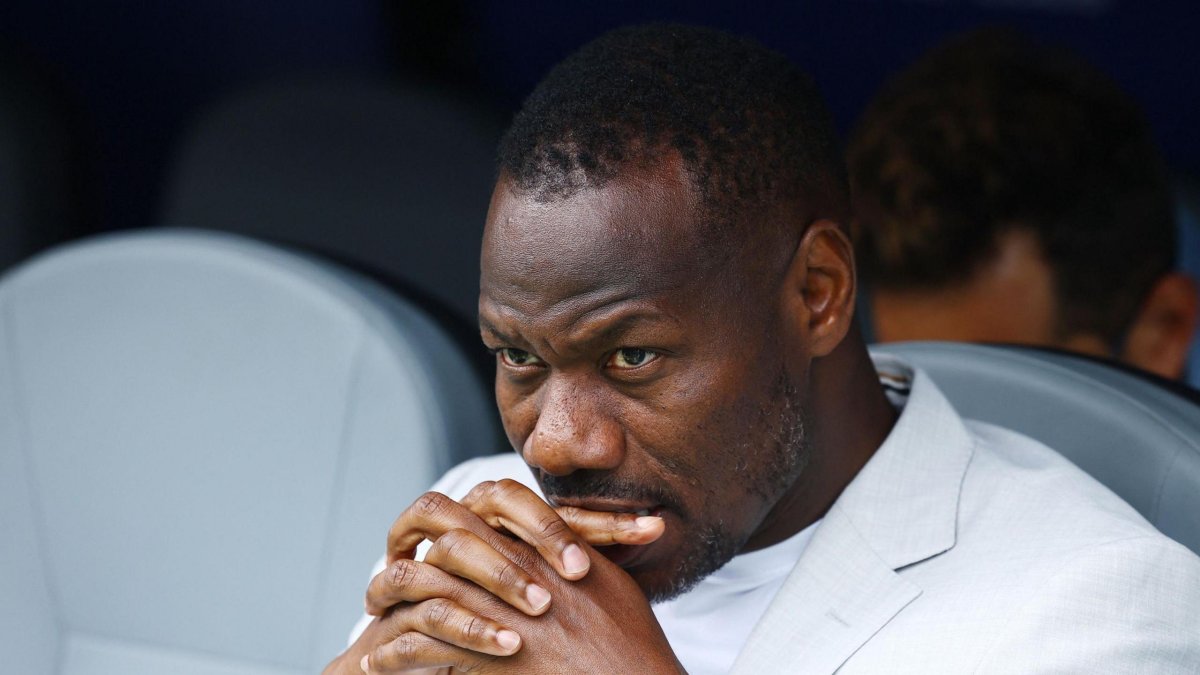
The Senegal Football Federation has dismissed head coach Pape Thiaw following the Teranga Lions' elimination from the 2026 World Cup at the last-32 stage. The decision, announced after what the federation described as a thorough evaluation of the team's performances and future direction, brings an end to a tenure that began in December 2024 and spanned one of the most turbulent periods in Senegalese football history. Thiaw, who represented Senegal at the 2002 World Cup, leaves behind a complicated legacy defined by moments of high drama both on and off the pitch.
Senegal's World Cup campaign began with narrow defeats to France and Norway, leaving the Teranga Lions needing a commanding performance in their final group match. That performance arrived against Iraq, as Senegal ran out 5-0 winners to snatch the final spot among the best third-placed teams advancing to the knockout rounds. The round of 32 tie against Belgium started as a dream — Senegal surged to a 2-0 lead and appeared in control of their destiny. But two late Belgian goals forced extra time, where a penalty decision completed the collapse and sent Senegal out of the tournament in the most painful fashion imaginable.
The World Cup exit was the final chapter of a story that had begun many months earlier, at the 2025 Africa Cup of Nations final in Rabat. In that match, Senegal had taken a 1-0 lead in extra time through Pape Gueye, only for Morocco to be awarded a stoppage-time penalty. Thiaw, believing the decision unjust, ordered his players off the pitch. They returned after a delay of roughly seventeen minutes, Brahim Díaz's penalty was saved, and Senegal appeared to have won their second continental title. But the controversy did not end on the night. In March, the Confederation of African Football overturned the result and awarded the trophy to Morocco. Senegal has appealed the decision to the Court of Arbitration for Sport, a process that remains unresolved.
A Dramatic World Cup Campaign and Its Cost
The group stage exposed the fine margins that define modern international football. After the opening losses to France and Norway, the 5-0 victory over Iraq restored belief and secured progression as one of the best third-placed sides. Supporters across Dakar and Saint-Louis celebrated the result as proof that the squad could still deliver when given space to play with freedom. Yet the momentum proved fragile once the knockout phase began.
Against Belgium the Teranga Lions raced into a two-goal advantage that reflected their attacking intent and the tactical discipline instilled during Thiaw's time in charge. The lead held until the closing stages, when defensive lapses allowed Belgium to equalise. Extra time brought further drama with the decisive penalty, turning a position of strength into elimination. The manner of the exit left players and fans alike reflecting on how quickly control can slip away at this level.
For many Senegalese families who gathered around television sets in markets and living rooms, the campaign represented both pride and frustration. The cost extends beyond the tournament itself. Resources invested in preparation, travel for supporters, and national expectation now require careful reassessment as the federation plans the next cycle. The experience underscores how quickly a promising run can end without sustained composure under pressure.
The AFCON Fallout That Would Not Fade
The 2025 Africa Cup of Nations final in Rabat cast a long shadow over the entire period. Senegal's extra-time lead and the subsequent walk-off in protest against the stoppage-time penalty created an unforgettable image. When the players returned after seventeen minutes and the match concluded with a 1-0 victory, many believed the title had been secured. The Confederation of African Football's later decision to award the trophy to Morocco instead introduced prolonged uncertainty that affected preparation and focus.
The appeal lodged with the Court of Arbitration for Sport remains open, keeping the matter alive within football circles. This unresolved status influenced team morale during the build-up to the World Cup, as discussions about fairness and governance continued alongside training sessions. Players and staff had to balance their commitment to the national cause with the knowledge that institutional questions lingered in the background.
In Senegalese communities the episode touched on deeper questions of respect and representation on the continental stage. The Teranga Lions have long carried the hopes of a nation that values resilience and dignity. The ongoing legal process serves as a reminder that sporting outcomes can become entangled with administrative rulings, affecting how future generations view the balance between on-field effort and off-field decisions.
Player Dissent and a Dressing Room Divided
Midfielder Pape Gueye's public statement that he would take a break from international duty while the current management remained in place highlighted fractures within the squad. His substitution in the sixty-sixth minute against Belgium, at a moment when Senegal still led 2-0, added personal context to the broader disappointment. The announcement came shortly after the World Cup exit and signalled that some players sought clarity on leadership before recommitting.
Such expressions of dissent are not uncommon in high-stakes environments, yet they carry particular weight in Senegal where the national team embodies collective pride. Gueye's stance reflected the emotional toll of the campaign and the need for unity moving forward. Other squad members have remained measured in their comments, focusing instead on the lessons that must be absorbed before the next qualification cycle begins.
The situation illustrates the delicate relationship between players, coaches and the federation. In daily life across Senegal, football serves as a unifying force that connects urban centres with rural villages. When that unity is tested, the wider community feels the strain. Addressing these internal dynamics will be essential if the team is to regain the harmony that has historically defined its strongest performances.
The Federation's Calculations
The Senegal Football Federation framed the dismissal as a step taken in the best interests of Senegalese football. Officials conducted a review that weighed the World Cup results against the longer arc of Thiaw's tenure, which began in December 2024. The decision reflects an institutional desire to reset direction after a period marked by both competitive highs and significant off-field challenges.
Thiaw's background as a 2002 World Cup participant gave him credibility with supporters and players alike. His willingness to confront contentious decisions during the Africa Cup of Nations final demonstrated a commitment to what he viewed as fairness. Nevertheless, the federation concluded that fresh leadership was required to navigate the challenges ahead, including the unresolved Court of Arbitration for Sport appeal and upcoming qualification campaigns.
This choice aligns with the federation's responsibility to balance short-term results with long-term stability. In Senegal, where football intersects with national identity and economic aspirations, such decisions carry weight beyond the pitch. The federation's statement emphasised collective progress, signalling that the organisation intends to learn from recent events while maintaining focus on developing the sport at all levels.
What This Means for Senegalese Football
The departure of Pape Thiaw invites reflection on the values that have sustained Senegalese football through decades of growth. The Teranga spirit, rooted in hospitality, resilience and communal pride, remains central to how the national team connects with supporters from Dakar to Ziguinchor. Maintaining that spirit during periods of transition requires deliberate attention to youth pathways and grassroots structures.
The diaspora continues to play a vital role, supplying talent and passion that enrich the domestic game. Young players in academies across the country watch these developments closely, understanding that international success can open doors while also exposing the pressures of elite competition. The recent events offer an opportunity to reinforce educational and developmental programmes that prepare athletes for both sporting and personal challenges.
Economically, football contributes to local economies through tourism, merchandise and community events. A stable national team supports these benefits by sustaining interest and investment. Senegal's football community has demonstrated time and again its capacity to rally around shared goals, suggesting that the current moment can serve as a foundation for renewed collective effort rather than prolonged division.
The Search for a New Direction
With the search for a successor now underway, the Senegal Football Federation faces the task of identifying leadership capable of restoring cohesion and advancing competitive objectives. The process will benefit from lessons drawn from the World Cup campaign and the ongoing Africa Cup of Nations appeal, ensuring that future appointments account for both tactical requirements and the human elements of team management.
Potential candidates will need to navigate the expectations of a passionate supporter base while fostering an environment where players feel supported. The federation's emphasis on the best interests of Senegalese football suggests an openness to approaches that prioritise development alongside results. This balance will prove important as qualification for future tournaments begins.
Ultimately, the episode reinforces the importance of clear communication and shared vision between all stakeholders. Senegal's football story continues to evolve, shaped by the dedication of players, coaches and administrators who understand the deep connection between the sport and national life. The coming months will reveal how these lessons translate into action on and off the pitch.
By Amara Diop, Staff WriterThis article was produced with AI-assisted research and editorial support. Reporting is based on sources cited in the article.
What's Your Reaction?
 Like
0
Like
0
 Dislike
0
Dislike
0
 Love
0
Love
0
 Funny
0
Funny
0
 Wow
0
Wow
0
 Sad
0
Sad
0
 Angry
0
Angry
0

Canada Correspondent at Global1.News. Based in Toronto, covering Canadian politics, energy, trade, and US-Canada relations. Provides the Canadian perspective on North American and global affairs.











Comments (0)