
What's in a Name? Kenya's Female Surname Debate Through a Senegalese Lens
The Kikuyu Naming Tradition and Its Roots In Kenya many children traditionally inherit their father's first name as their surname yet an increasing number now take their mother's instead. This shift appears most visibly among the Kikuyu the country's largest ethnic group and has sparked debate along with occasional ridicule directed at men who carry female surnames. Girls and w
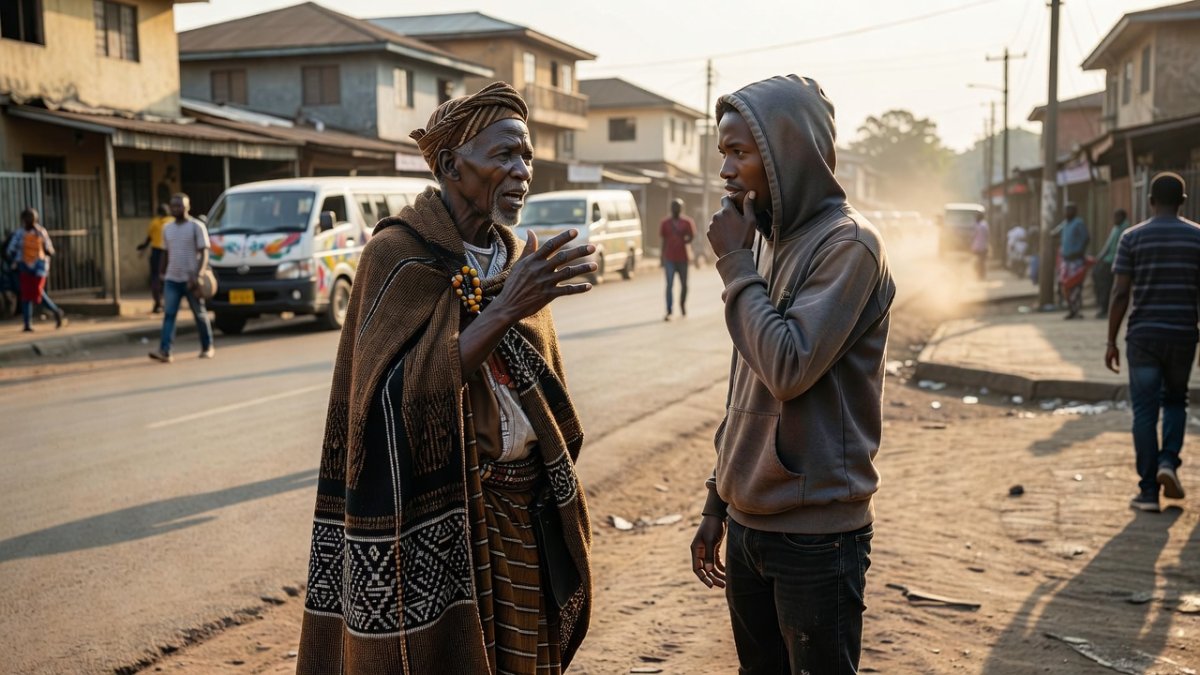
The Kikuyu Naming Tradition and Its Roots
In Kenya many children traditionally inherit their father's first name as their surname yet an increasing number now take their mother's instead. This shift appears most visibly among the Kikuyu the country's largest ethnic group and has sparked debate along with occasional ridicule directed at men who carry female surnames. Girls and women who receive their mother's name encounter far less criticism and may later adopt their husband's first name upon marriage. The practice reflects evolving attitudes toward women within a society that remains largely patriarchal though critics continue to question those who receive or deliberately select a maternal surname.
Historically it was uncommon to encounter men in prominent roles bearing female surnames. Today several politicians hold such names including MP John Njuguna Wanjiku who was raised by a single mother and first won election in 2021. He is known by the nickname Ka-Wanjiku meaning child of Wanjiku. The Kikuyu trace their origins according to legend to the ten daughters of the community's first couple Gikuyu and Mumbi. One official of the cultural group Kiama Kia Ma notes that his own clan Mumbui derives from Wambui one of those daughters and states that the community has always aligned itself with women from the very beginning. The Kikuyu are frequently described as the House of Mumbi after their mythological founding mother. This foundational narrative provides cultural grounding for the acceptance of maternal names even as contemporary reactions vary.
As a Senegalese journalist observing these developments I recognize echoes of how certain West African societies including Serer and Wolof communities in Senegal incorporate maternal lineage into identity and naming practices. While Kikuyu customs emphasize alignment with daughters of the founding mother Senegalese traditions among the Serer often highlight maternal surnames to preserve family heritage across generations. Both approaches demonstrate that African naming systems have long accommodated maternal lines rather than treating them as anomalies. The Kenyan trend therefore fits within a broader continental pattern where lineage serves practical and symbolic purposes tied to inheritance respect and belonging.
Personal Journeys of Men Choosing Maternal Names
Some Kenyan men receive female surnames at birth while others actively choose them later to honor their mothers. One early figure to challenge the male surname norm was musician Peter Kigia who adopted his mother's name as his stage name becoming known as Kigia wa Esther or son of Esther. Now in his sixties he performs benga a fast rhythmic guitar folk style with lyrics in Kikuyu and registered his record company as Wa Esther Productions. He explains that taking a mother's name signals love and respect and notes that younger musicians in the industry have begun following his example creating a certain cachet around the choice.
Journalist Simon Macharia Wangui also decided to adopt his mother's name officially. His father was absent for most of his life and he heard only rumors of the man's existence. Raised largely by his grandmother Wangui lost his mother in 2003 at age twelve and possessed no surname until his final year of high school when he applied for a birth certificate. He questions why credit should be given where it does not exist and views the decision as a matter of honesty rather than defiance. Broadcaster Evans Kibe Waceke similarly carries a female surname and describes the perception that children raised by single parents lack certain morals. He observes that people often view such individuals as undisciplined especially when the mother is the sole caregiver.
These personal accounts illustrate how individual circumstances intersect with cultural expectations. In Senegal among Wolof families a child may carry a maternal surname to maintain ties to the mother's lineage when paternal involvement is limited. The Kenyan stories parallel this flexibility showing that naming decisions often respond to lived realities rather than rigid rules. The choice to honor a mother publicly can strengthen family bonds and affirm identity even when external judgment arises.
The Social Debate and Criticisms of Female Surnames
A heated discussion about the advantages and disadvantages of female surnames gained momentum two years ago when motivational speaker Robert Burale argued that the practice undermines men's masculinity. His comments prompted television personality Fred Muitiriri to share his own experiences publicly. Muitiriri described the embarrassment of being called out in a room full of children using what others perceived as a girl's name. He recounted developing low self-esteem and later depression at the age of twenty-three before eventually dropping his mother's name.
Despite such challenges the trend continues particularly among those raised by single mothers. Cultural expert Wairimu Mukuru attributes the rise of female surnames to the growing prevalence of single-mother households. She notes however that the practice remains a cultural anomaly because even sons of unmarried women are typically assigned male surnames. When a mother does not identify the father or when he rejects the child the mother's eldest brother traditionally assumes the paternal role. Yet reluctance sometimes occurs because granting the child that name confers inheritance rights to property.
From a Senegalese viewpoint these tensions mirror occasional debates in Wolof and Serer communities where maternal naming elements can provoke questions about lineage clarity and inheritance. In both regions the discussion centers on balancing respect for mothers with established expectations around male identity. The Kenyan debate reveals how rapidly shifting family structures challenge older assumptions while prompting reflection on what constitutes strength and belonging in modern African societies.
Single Motherhood and Evolving Family Structures
Single-mother families have become increasingly common in Kenya contributing directly to the visibility of female surnames. Mukuru explains that this demographic change drives the trend yet traditional mechanisms still attempt to assign male surnames through maternal uncles. The potential for inheritance disputes often leads some male relatives to withhold their names creating practical barriers for children seeking paternal lineage. Mugwe wa Njuhi of Kiama Kia Ma observes that such reluctance exists alongside the community's legendary emphasis on its founding daughters.
The late author Ngugi wa Thiong'o was identified by his mother's name during childhood illustrating that the practice has historical precedent even if it was once less discussed. Wa Esther the musician adds that critics from other communities fail to understand the Kikuyu way of life when they question male use of female names. This defense underscores how local customs can accommodate maternal recognition without diminishing communal identity.
In Senegal Serer families have long used maternal surnames to safeguard lineage continuity especially in cases of paternal absence. Wolof traditions similarly allow flexibility that honors the mother's contribution. These West African examples provide context for the Kenyan situation demonstrating that maternal naming is not an isolated development but part of wider African strategies for preserving family ties amid changing social conditions. The increase in single motherhood across the continent thus invites renewed appreciation for naming practices that center maternal influence.
Pan-African Connections and Cultural Comparisons
Viewing the Kenyan developments through a Senegalese lens highlights shared African approaches to lineage. The Kikuyu reference to the House of Mumbi and alignment with the ten daughters parallels how Serer communities in Senegal emphasize maternal lines to maintain clan identity across generations. Wolof naming customs likewise incorporate maternal elements when they serve to acknowledge a mother's role in raising and shaping the child. Both traditions treat names as living links to heritage rather than fixed markers of paternal authority alone.
The Kenyan politician John Njuguna Wanjiku and musician Kigia wa Esther embody this continuity by carrying maternal names into public life. Their visibility challenges the notion that female surnames belong only to women or to those outside prominent spheres. In Senegal similar patterns appear when individuals retain maternal surnames to honor mothers who served as primary caregivers. Such choices affirm respect and love while navigating inheritance and social perception.
Across these societies the handling of maternal lineage in names reveals adaptability. Where paternal names traditionally dominate African communities have developed mechanisms to integrate maternal recognition especially during periods of family transition. The Kikuyu legend of Gikuyu and Mumbi offers one foundation while Senegalese Serer and Wolof practices supply additional models. Together they illustrate that African naming customs have always balanced multiple lines of descent rather than privileging one exclusively.
Implications for Gender Norms and Future Directions
The growing acceptance of men with female surnames signals gradual shifts in gender norms across Kenya and the wider continent. What once drew ridicule now appears in music politics and journalism suggesting that respect for mothers can coexist with masculine identity. Yet the experiences of individuals like Fred Muitiriri remind observers that stigma persists and that personal well-being can suffer when societal expectations clash with family realities.
As single-mother households increase the conversation will likely continue. Cultural leaders such as Mugwe wa Njuhi and Wairimu Mukuru provide frameworks that root the practice in Kikuyu history while acknowledging contemporary pressures. Their insights encourage viewing female surnames not as threats to tradition but as extensions of longstanding values centered on the House of Mumbi.
From Senegal the parallels with Serer and Wolof maternal naming customs reinforce that these changes form part of a continental evolution. African societies have repeatedly adjusted naming practices to reflect lived experience while preserving core cultural narratives. The Kenyan debate therefore contributes to a larger dialogue about how gender respect inheritance and identity intersect in daily life. By honoring mothers through surnames men and women alike participate in redefining what lineage means in twenty-first-century Africa.
By Amara Diop, Staff WriterThis article was produced with AI-assisted research and editorial support. Reporting is based on sources cited in the article.
What's Your Reaction?
 Like
0
Like
0
 Dislike
0
Dislike
0
 Love
0
Love
0
 Funny
0
Funny
0
 Wow
0
Wow
0
 Sad
0
Sad
0
 Angry
0
Angry
0

West Africa/Sahel Correspondent at Global1.News. Dakar-based journalist covering politics, security, climate, and development across Francophone and Anglophone West Africa. Tells the stories of a region undergoing profound transformation.













Comments (0)