
US-Israeli Kurdish Plan Collapsed After Leak to Turkey
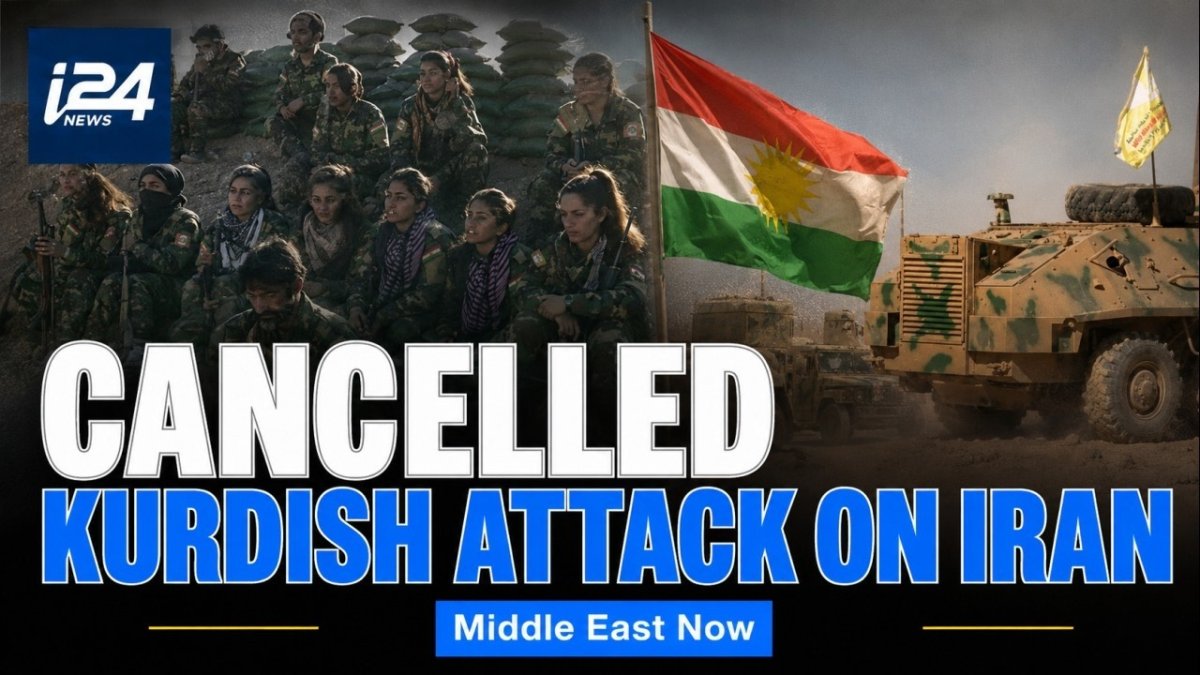
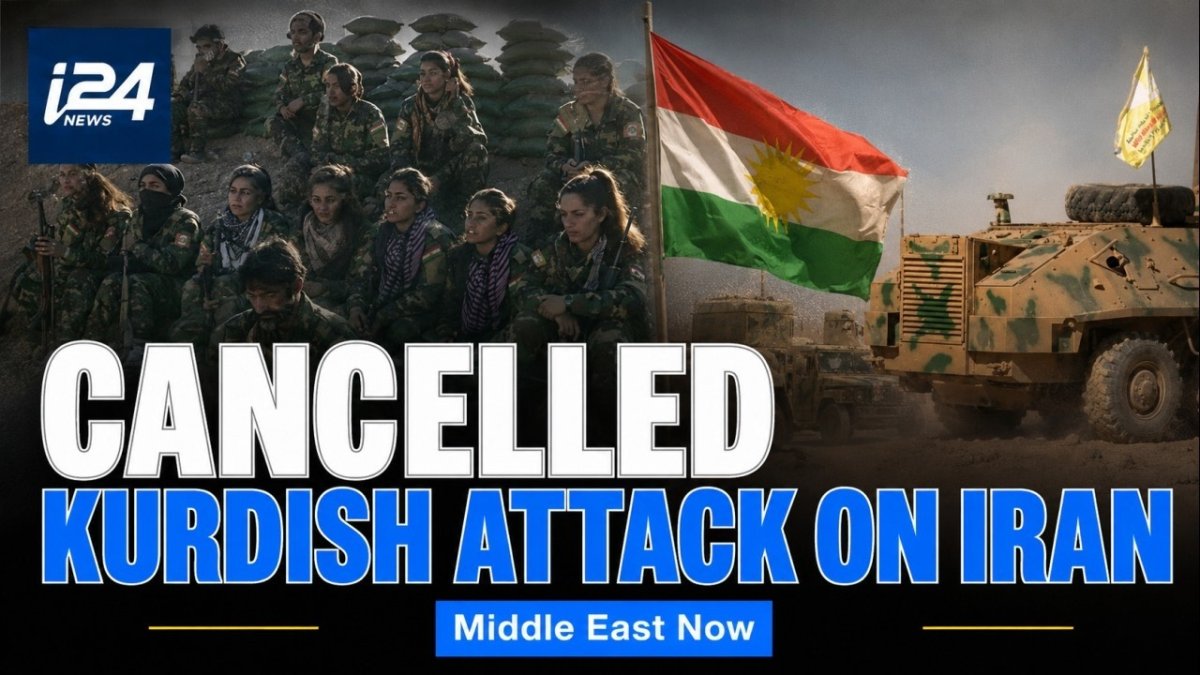
In a recent i24NEWS report, details emerged about a collapsed US-Israeli plan to launch a Kurdish ground offensive against Iran, with Mossad under outgoing chief David Barnea coordinating the effort from Tel Aviv. The operation aimed to open a new front using Iranian and Iraqi Kurdish fighters supported by Israeli air power, yet Turkish pressure on Washington forced its abandonment before full execution. <h2>The Mossad-Led Plan for Kurdish Forces</h2> <p>Mossad under outgoing chief David Barnea

The Mossad-Led Plan for Kurdish Forces
Mossad under outgoing chief David Barnea developed the core concept to deploy Iranian and Iraqi Kurdish fighters against Tehran without committing US ground troops. Israel would supply continuous air support from bases in the region to allow Kurdish advances into Iranian territory. Kurdish militias received weapons shipments one week before the scheduled launch date after months of preparation by US intelligence agencies.
Reuters confirmed Israeli intelligence maintained direct contacts with Kurdish militias for a full year before the planned operation. CNN reported that the CIA supplied military assistance to Kurdish armed groups along the Iran-Iraq border for several months. The New York Times documented Turkish Foreign Minister Hakan Fidan warning US Secretary of State Marco Rubio against backing any Kurdish action inside Iran.
February Briefings and Initial Strikes
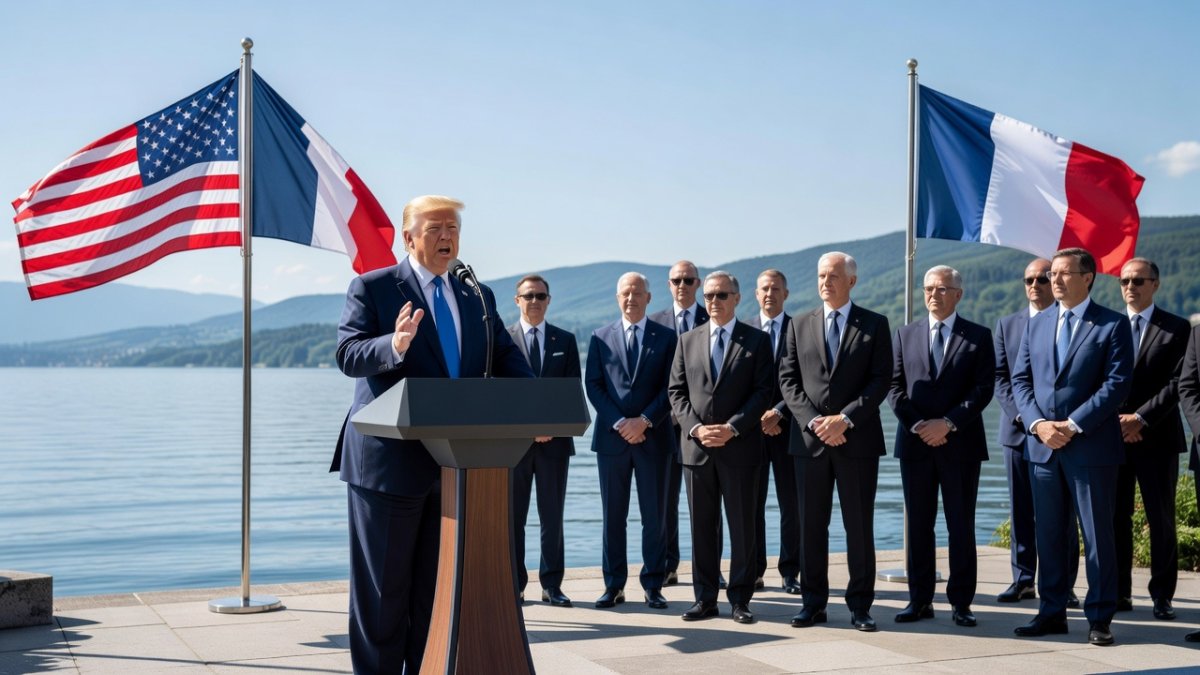
On February 12, David Barnea briefed President Trump via video call and stated that toppling the Iranian regime could require a year or more. Barnea argued that a Kurdish ground operation would substantially raise the chances of regime change. In late February, US and Israeli forces began joint strikes on Iran, with the IDF targeting Iranian regime and Basij units in Kurdish-populated areas.
Only about 10 percent of the planned targets intended to support the Kurdish advance were struck before the campaign shifted. The IDF confirmed these limited operations from its Northern Command posts, yet the full ground component never activated. Israeli security officials in the Prime Minister's Office noted that the partial strikes still disrupted Basij formations near the border with Iraq.
Turkey's Intervention and the Halt
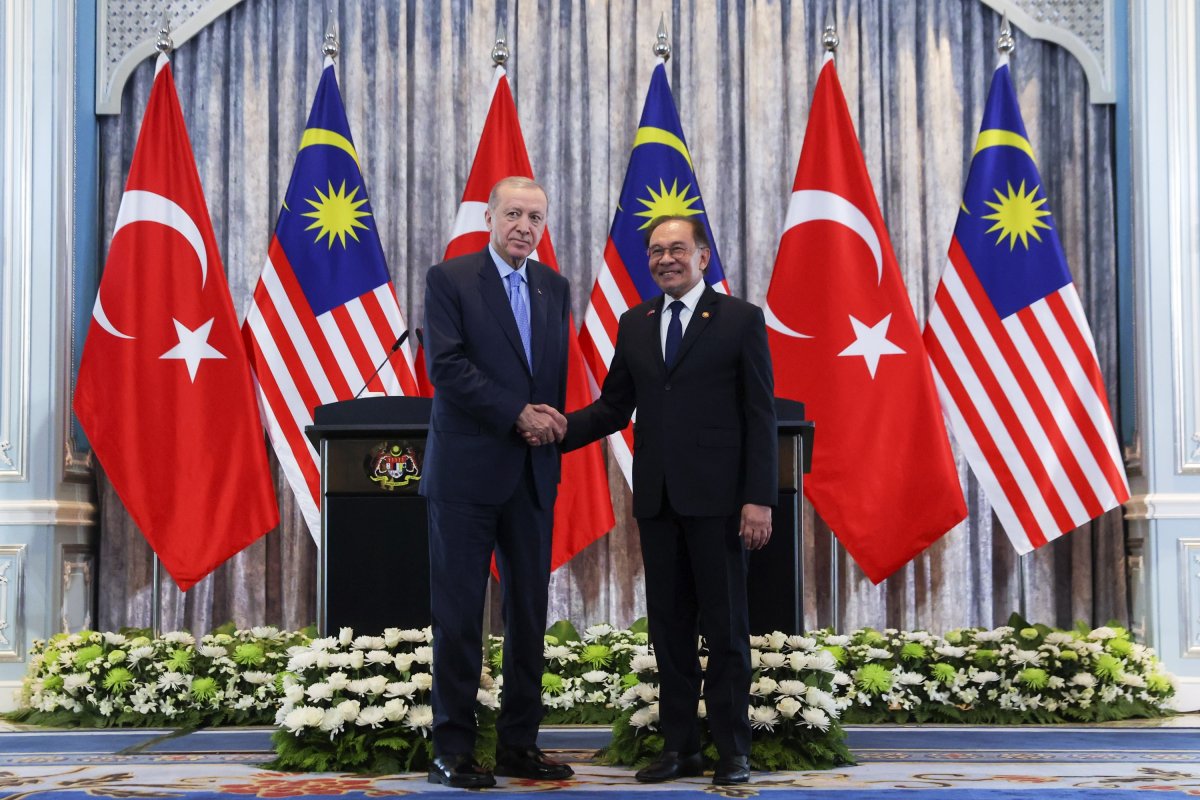
Turkish officials learned of the impending Kurdish attack and immediately contacted Washington to demand its cancellation. President Erdogan reached President Trump directly to emphasize Ankara's opposition. Turkey has conducted operations against Kurdish separatists inside its own borders as well as in Iraq and Syria for years, and Turkish leaders viewed any Kurdish military success against Tehran as a direct threat to their southeastern frontier.
A collapse of central authority in Tehran would create new security challenges along Turkey's border with Iran, according to assessments from the Turkish National Intelligence Organization. Ankara regards organized Kurdish forces as an existential risk to its territorial integrity. The operation was halted before Kurdish units could cross into Iran in strength.
Allegations Involving US Officials
Israeli sources quoted in the reporting accused officials inside the White House of leaking details to Ankara, specifically pointing to circles around Vice President JD Vance. Vance has expressed public skepticism regarding deeper US involvement in the conflict with Iran. Individuals close to Vance allegedly informed Turkish counterparts about the planned Kurdish assault, prompting Ankara's swift diplomatic intervention.
Vance's special assistant Luke Schroeder issued a categorical denial of any such communication. An alternative explanation circulating in Jerusalem centers on CIA Director John Ratcliffe, who reportedly opposed the Kurdish option from the outset. Israeli Defense Minister Israel Katz also voiced reservations about relying on Kurdish ground forces during internal discussions at the Kirya military headquarters in Tel Aviv.
Kurdish Militias' Readiness and Denials
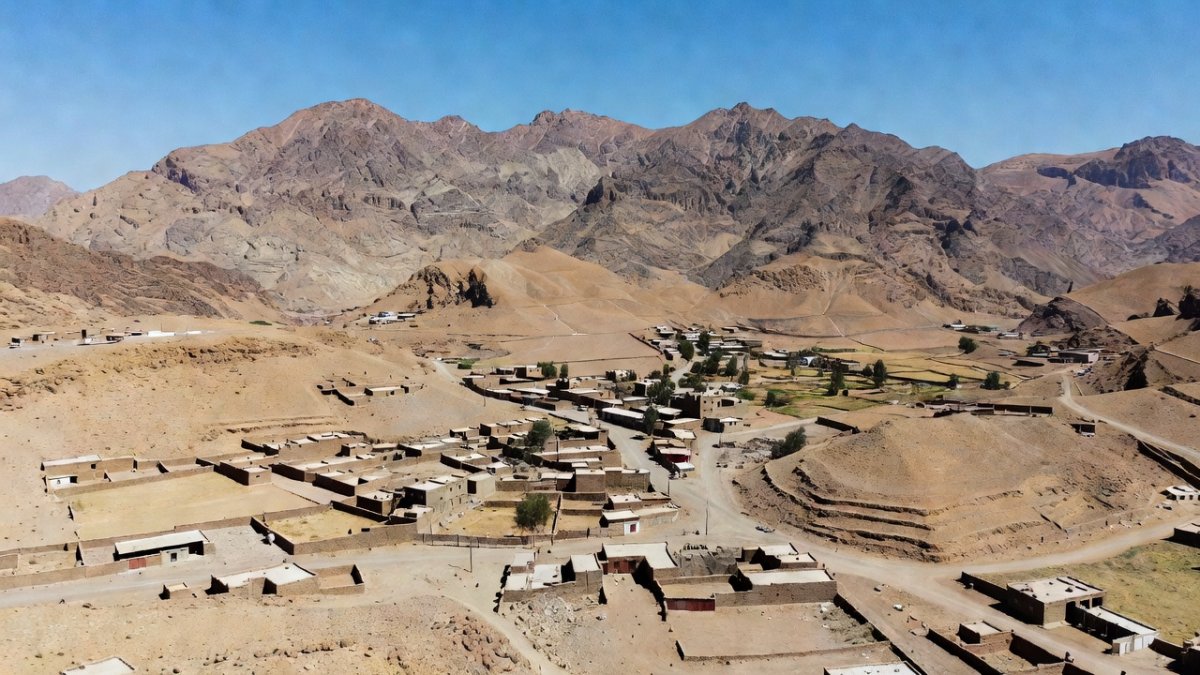
Kurdish fighters had positioned themselves along the Iran-Iraq border after receiving the weapons deliveries and stood prepared to advance on the designated date. The plan counted on Israeli air cover to neutralize Iranian artillery and armored units in the opening phase. However, both the Komala Party of Iranian Kurdistan and the Democratic Party of Iranian Kurdistan issued public statements rejecting any connection to Israeli or American weapons supplies.
The Democratic Party of Iranian Kurdistan described the reports as completely untrue. Iranian security forces responded by killing five members of the Democratic Party of Iranian Kurdistan near Piranshahr in West Azerbaijan province in recent days. These clashes occurred in the same border region where the aborted operation would have originated.
Rising Tensions with Ankara
Turkish Foreign Minister Hakan Fidan told CNN Turk that Israel constitutes not only Turkey's problem but the world's problem. Israeli Diaspora Affairs Minister Amichai Chikli responded that a Turkish attack on Israel remains entirely possible. Channel 12 News reported that Israel's security establishment has warned of Turkey's expanding influence in Syria, Lebanon, and the broader Middle East, creating what officials described as a chokehold around Israeli borders.
The Jerusalem Post noted that Turkey has replaced Iran as Israel's primary strategic concern. Mossad and Shin Bet assessments presented to the Knesset Foreign Affairs and Defense Committee highlighted Turkish efforts to consolidate positions in former Iranian spheres of influence. These developments directly affect daily security calculations in northern Israel and along the Gaza periphery.
Strategic Implications for Israel
The collapse of the Kurdish option leaves Israeli planners without a viable ground component for operations inside Iran, forcing greater reliance on air and cyber capabilities coordinated from Tel Aviv. The episode has strained coordination between the Prime Minister's Office and certain US counterparts while highlighting Turkey's ability to shape events through direct channels to Washington. For residents of Jerusalem and Tel Aviv, the episode underscores how regional actors can constrain Israeli military planning even when operations remain in the preparatory stage.
Foreign Ministry officials in Jerusalem continue to monitor Turkish diplomatic activity across the region, particularly regarding influence in post-conflict Syria and Lebanon. The aborted plan illustrates the limits of external support for Kurdish forces when neighboring states perceive direct threats to their own security. Israeli defense planners now adjust contingency options accordingly.
By Hannah Berg, Staff WriterWhat's Your Reaction?
 Like
0
Like
0
 Dislike
0
Dislike
0
 Love
0
Love
0
 Funny
0
Funny
0
 Wow
0
Wow
0
 Sad
0
Sad
0
 Angry
0
Angry
0









Comments (0)