
Thailand wins historic bronze at Special Olympics Unified Football World Cup 2026
By Ann Srisawat, Staff Writer Thailand's Bronze Medal Triumph in Paris Thailand's women's football team etched their names into sporting history this week by claiming the bronze medal at the Special Olympics Unified Football World Cup 2026 in Paris, France. The squad advanced to the Division 1 bronze-medal match and defeated Slovakia in a dramatic penalty shootout after a thril
 By Ann Srisawat, Staff Writer
Thailand's Bronze Medal Triumph in Paris
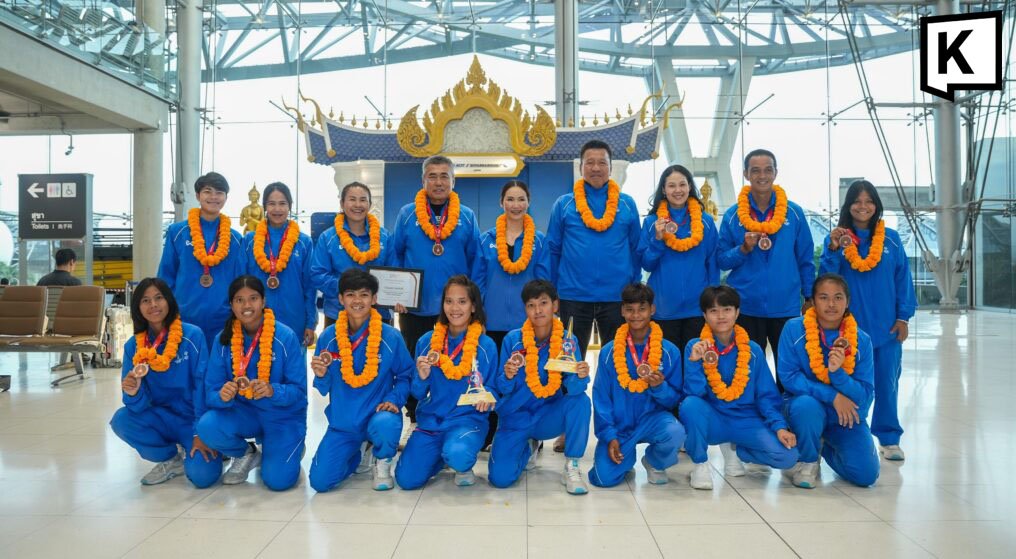
Thailand's women's football team etched their names into sporting history this week by claiming the bronze medal at the Special Olympics Unified Football World Cup 2026 in Paris, France. The squad advanced to the Division 1 bronze-medal match and defeated Slovakia in a dramatic penalty shootout after a thrilling 4-4 draw in regulation time. This result secured Thailand's place among the world's top three unified women's football teams and marked the nation as the only Asia-Pacific women's team to reach such heights in the tournament.
The match unfolded with intense back-and-forth action that reflected the resilient spirit often seen in Isaan region's traditional temple fairs, where communities gather to celebrate endurance and unity. Every goal carried the weight of years of preparation rooted in Nakhon Ratchasima province, where local fields have long nurtured young talents inspired by Thai sporting traditions like the annual village football tournaments. The penalty shootout victory brought tears of joy to supporters back home, highlighting how this achievement bridges distant Paris with the warm hearts of Thai families.
Thailand's third-place finish stands as a beacon for inclusive sport across Southeast Asia. The team's journey from regional qualifiers to the global stage in Paris demonstrated the power of collective effort, much like the cooperative rice-harvesting customs still practiced in the Isaan countryside. Fans across Thailand celebrated the result with quiet pride, sharing stories of the players' dedication that began in community grounds near Nakhon Ratchasima.
The Athletes Behind the Achievement
The historic seven-a-side women's squad featured ten dedicated members whose individual contributions created the team's unbreakable bond. Yatika Watchawong served as Unified Team Co-Captain and Special Athlete, leading with quiet determination on the pitch. Kewalin Thamniyom, Piyamart Huajaipeth, Siriwimol Saetao, and Saithan Tina all competed as Special Athletes, each bringing unique skills honed through years of training in Nakhon Ratchasima's local programmes.
Aekchittra Khongtako stood strong as goalkeeper and Special Athlete, making crucial saves that echoed the protective spirit of Thai guardian folklore. Thidathip Pankaeo acted as the other Unified Team Co-Captain and Unified Partner, guiding teammates with steady encouragement. Natthatida Somchart, Noppakao Pornpipat, and Saowapark Narksanit completed the roster as Unified Partners, offering seamless support that embodied the Thai value of harmonious teamwork.
Seven Special Athletes and four Unified Partners formed the perfect balance, with each player contributing to both on-field tactics and off-field camaraderie. Their shared experiences, drawn from Isaan community life where neighbours support one another during festivals, strengthened every performance in Paris. This diverse group proved that inclusion creates stronger teams, inspiring young athletes across Thailand's northeastern provinces.
Coaching and Support Staff
Head coach Chownee Phanlert and coach Kanya Sahree shaped the team's strategy with deep knowledge of unified football principles. Their guidance helped the players navigate the intense competition in Paris while maintaining the gentle, supportive atmosphere familiar to Thai training sessions in Nakhon Ratchasima. Both coaches emphasised patience and mutual respect, values deeply rooted in Thai cultural traditions of mentorship.
Dr. Petai Sopasin served as team physician, ensuring the athletes' health throughout the tournament with careful attention to every detail. Chuchai Angkabkaew acted as head of delegation, coordinating logistics that connected the squad from their Isaan homes to the international stage. Dr. Rittirong Intrachinda, the team director, provided overarching leadership that kept the entire group focused and united.
The staff's preparation reflected the meticulous care seen in Thai community events, where every role matters equally. Their combined efforts turned potential challenges into opportunities for growth, much like the collaborative spirit of Isaan harvest festivals. This dedicated support network allowed the players to perform at their best in Paris.
Most Unified Team and Soccerex Coach Awards
Thailand became the only nation to receive both the Most Unified Team Award and the Soccerex Coaches' Coach Award at the 2026 tournament. The Most Unified Team Award recognised the squad's exceptional demonstration of inclusion through meaningful participation on and off the pitch, showcasing genuine teamwork that transcended backgrounds. This honour highlighted how the Thai players embodied the warmth and togetherness central to Isaan cultural life.
The Soccerex Coaches' Coach Award celebrated the leadership, knowledge, and passion displayed by Chownee Phanlert and Kanya Sahree. Their ability to inspire the team reflected traditional Thai teaching methods that value encouragement over criticism. Receiving both awards placed Thailand in a unique position, proving that inclusive practices can lead to both sporting success and global recognition.
These dual honours carry special meaning for disability sports communities across Southeast Asia. They affirm that true victory lies in unity, a principle long cherished in Thai villages where collective effort sustains daily life. The awards will continue to motivate future generations in Nakhon Ratchasima and beyond.
Special Olympics and the Unified Format
Special Olympics International has organised the Unified Football World Cup every two years to give athletes with intellectual disabilities the chance to develop skills and showcase abilities on the international stage. The Unified format pairs Special Athletes with Unified Partners on the same team, fostering greater social acceptance and inclusion wherever the games are played. This approach mirrors the inclusive spirit found in many Thai community gatherings, where everyone participates regardless of ability.
The competition encourages meaningful friendships that extend beyond the pitch, much like the lifelong bonds formed during Isaan temple festivals. By competing together, athletes learn teamwork and respect, values that align closely with Thai Buddhist teachings on compassion. The 2026 edition in Paris continued this proud tradition, bringing together participants from around the world in celebration of shared humanity.
Thailand's involvement strengthened connections between the Asia-Pacific region and global disability sport movements. The unified model has already inspired local programmes in Nakhon Ratchasima, where schools and clubs now adopt similar inclusive practices. This format continues to open doors for greater understanding across Thai society.
Division 1 Results and What Comes Next
Guatemala claimed the women's seven-a-side Division 1 title, with Costa Rica taking silver and Thailand securing bronze after the memorable penalty shootout victory over Slovakia. In the men's 11-a-side competition, Libya earned gold ahead of Jamaica, while Paraguay finished third. Paraguay will host the next Special Olympics Unified Football World Cup in 2028, offering another opportunity for teams worldwide to gather.
These results highlight the growing strength of unified football across continents. Thailand's bronze medal stands as the highest finish ever achieved by an Asia-Pacific women's team, bringing pride to supporters in the Isaan region. The outcomes also demonstrate how consistent preparation, supported by dedicated staff, can overcome challenges on the global stage.
Looking ahead, the 2028 tournament in Paraguay will allow Thailand to build on this foundation. Local communities in Nakhon Ratchasima are already planning celebrations and training camps to nurture the next generation of players. The cycle of competition and growth continues, carrying forward the lessons learned in Paris.
What This Means for Thailand and Southeast Asia
Thailand's achievement carries deep regional significance, inspiring disability sport programmes throughout ASEAN nations. The bronze medal and dual awards have sparked conversations in schools and clubs across Southeast Asia about the power of inclusion. In Nakhon Ratchasima province, families now see new possibilities for their children, drawing strength from the team's example of perseverance and unity.
The success reflects the enduring spirit of Isaan communities, where mutual support has always been a way of life. Neighbours in rural villages often come together for festivals and sports days, values that the Thai squad carried proudly to Paris. This historic result strengthens Thailand's role as a leader in promoting inclusive sport across the region.
Young athletes in neighbouring countries now look to Thailand as a model. The story of the team's journey encourages greater investment in unified programmes, helping build stronger, more compassionate societies throughout Southeast Asia.
A Lasting Legacy for Inclusive Sport
The broader impact of Thailand's bronze medal extends far beyond the football pitch, touching hearts across Thai society. The message of inclusion and teamwork resonates with traditional values of kindness and cooperation that define daily life in the Isaan region. Communities in Nakhon Ratchasima are already organising local unified events to keep this spirit alive.
This achievement inspires the next generation to embrace differences and work together toward common goals. Children who once felt excluded now see role models in Yatika Watchawong, Thidathip Pankaeo, and their teammates. The legacy will grow through continued support from coaches, physicians, and community leaders who believe in the power of sport to unite.
Thailand's story reminds everyone that true success comes from shared effort and respect. As the nation looks forward to future competitions, the lessons from Paris will continue to shape a more inclusive sporting culture for all.
By Ann Srisawat, Staff Writer
This article was produced with AI-assisted research and editorial support. Reporting is based on sources cited in the article.
What's Your Reaction?
 Like
0
Like
0
 Dislike
0
Dislike
0
 Love
0
Love
0
 Funny
0
Funny
0
 Wow
0
Wow
0
 Sad
0
Sad
0
 Angry
0
Angry
0
Southeast Asia Correspondent at Global1.News. Based in Bangkok, covering Thai and Southeast Asian politics, economy, technology, and culture. Deep regional perspective on one of the world's most dynamic regions.













Comments (0)