
Decades of Negotiation: The South China Sea Code of Conduct and Shifting Regional Power Balances
Decades of Negotiation: The South China Sea Code of Conduct and Shifting Regional Power Balances In a recent CGTN report examining the protracted talks over the South China Sea Code of Conduct, analysts highlight how procedural milestones mask deeper strategic divergences that continue to shape Asia-Pacific security architecture. The video underscores the gap between the 2002 D
Historical Trajectory of the COC Process
The formal negotiation track opened in 2017 after years of preparatory consultations. Three readings of the Single Draft Text have occurred: the first in July 2019, the second in July 2023, and the third in February 2026 in Jakarta during Malaysia’s chairmanship. These steps build on the non-binding 2002 DOC, yet the timeline reveals repeated pauses driven by sovereignty sensitivities rather than simple drafting delays.
Fundamental Incompatibilities Between Bilateral and Multilateral Approaches
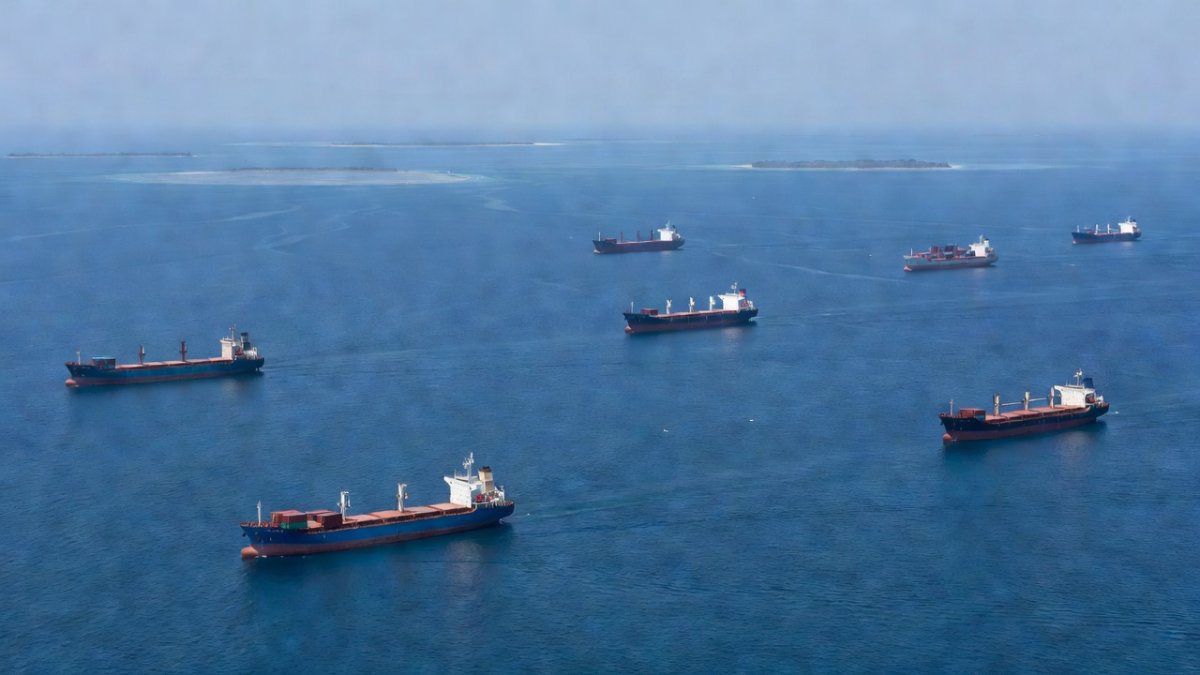
China consistently frames the dispute as one best resolved through bilateral consultations with individual claimants, a position rooted in its preference for managing overlapping claims directly with Vietnam, the Philippines, Malaysia, Brunei, and Indonesia’s Natuna Islands EEZ. ASEAN members, by contrast, seek a multilateral, rules-based framework that institutionalizes dispute management across the region. This structural mismatch explains why progress has remained incremental despite the three readings completed to date.
Key Substantive Sticking Points
China opposes granting the COC legally binding status, while the Philippines under President Ferdinand Marcos Jr. insists on enforceability. Additional friction arises over joint military exercises involving non-ASEAN powers and restrictions on oil and gas exploration in contested waters. China’s Foreign Ministry has repeatedly reaffirmed its rejection of the 2016 UNCLOS arbitral ruling, insisting instead on bilateral mechanisms that sidestep the award’s findings on maritime entitlements.
External Actors and ASEAN Centrality
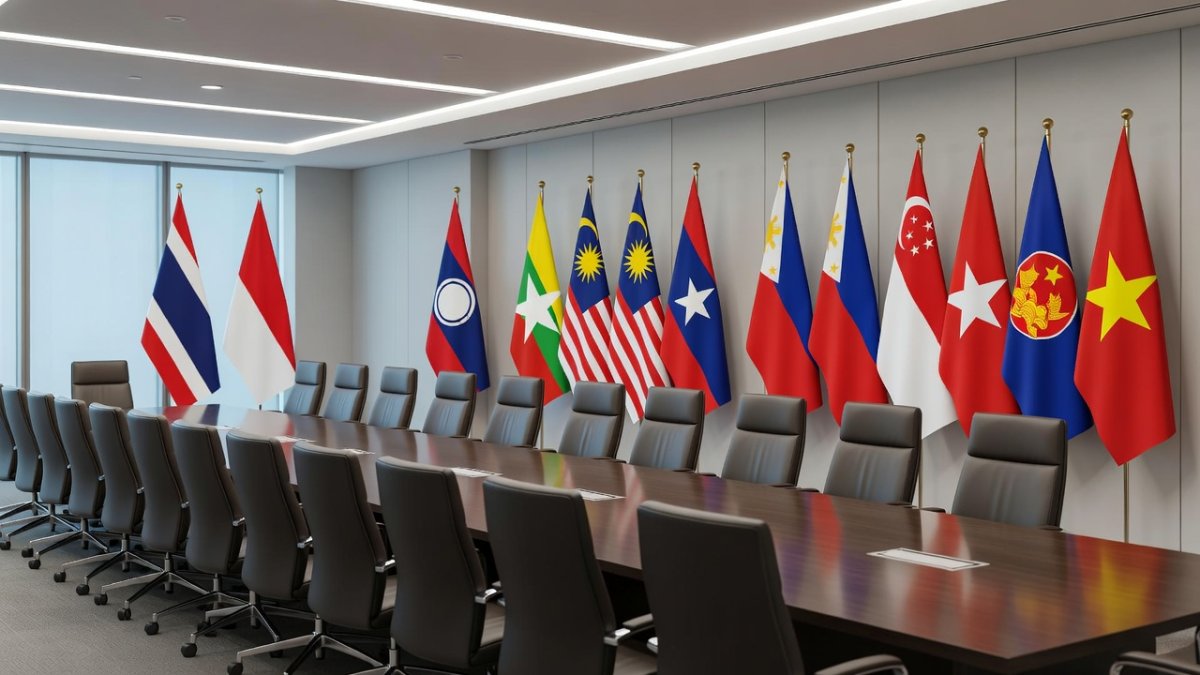
US Ambassador to ASEAN Kevin Kim stated on July 9, 2026, in Jakarta that Washington would not steer the negotiations, explicitly respecting ASEAN centrality. This stance contrasts with Philippine efforts to anchor any final text to the 2016 Arbitral Award, as urged by Stratbase Institute President Victor Manhit on July 11, 2026. Manila’s strengthened defense ties with the United States, Japan, and Australia add external leverage that Beijing views as complicating factors rather than neutral influences.
Strategic Calculus for China and ASEAN
Beijing’s approach aligns with its broader objective of expanding regional influence while preserving flexibility in maritime claims. ASEAN, for its part, seeks to embed the COC within a multilateral order that limits unilateral actions and provides smaller states with collective diplomatic weight. Second-order effects extend to the EU and Global South, where perceptions of whether ASEAN can deliver enforceable rules will shape future engagement with Indo-Pacific institutions.
Realism of a 2026 Conclusion and Regional Stability Implications
Foreign Secretary Theresa Lazaro has reiterated Manila’s commitment to a substantive outcome, yet the incompatibility between bilateral preferences and multilateral legalism suggests that a fully binding COC by December 2026 remains ambitious. Should talks conclude, the agreement would likely reflect compromises that preserve China’s core interests while offering ASEAN a framework for crisis management. Failure to finalize would reinforce existing alliance dynamics, particularly the US-Philippines security relationship, and could accelerate fragmentation of regional norms. The coming months will test whether procedural momentum can overcome these entrenched strategic divergences. By Prof. Marcus Chen, Staff Writer
This article was produced with AI-assisted research and editorial support. Reporting is based on sources cited in the article.
What's Your Reaction?
 Like
0
Like
0
 Dislike
0
Dislike
0
 Love
0
Love
0
 Funny
0
Funny
0
 Wow
0
Wow
0
 Sad
0
Sad
0
 Angry
0
Angry
0

World Politics Analyst at Global1.News. Based in Beijing, covering US-China relations, global trade, and geopolitical strategy. Brings deep analytical perspective to the power dynamics shaping international affairs.











Comments (0)