
Latin America Fights Ultraprocessed Food Addiction Crisis
In crowded markets across Latin America, a quiet health emergency is unfolding — one packaged snack, one sugary drink, one colorful cartoon at a time. Ultraprocessed foods now dominate diets from Mexico City to Buenos Aires, driving obesity rates that rival the world's highest and filling clinics with patients battling preventable diseases. The Al Jazeera English documentary “H
In crowded markets across Latin America, a quiet health emergency is unfolding — one packaged snack, one sugary drink, one colorful cartoon at a time. Ultraprocessed foods now dominate diets from Mexico City to Buenos Aires, driving obesity rates that rival the world's highest and filling clinics with patients battling preventable diseases. The Al Jazeera English documentary “How ultraprocessed food marketing keeps consumers addicted” exposes how Big Food’s marketing machinery keeps families locked in a cycle of consumption that profits corporations while costing the region millions of lives and billions in healthcare spending.
Latin America’s Battle Against Big Food: How Ultraprocessed Marketing Fuels a Health Crisis
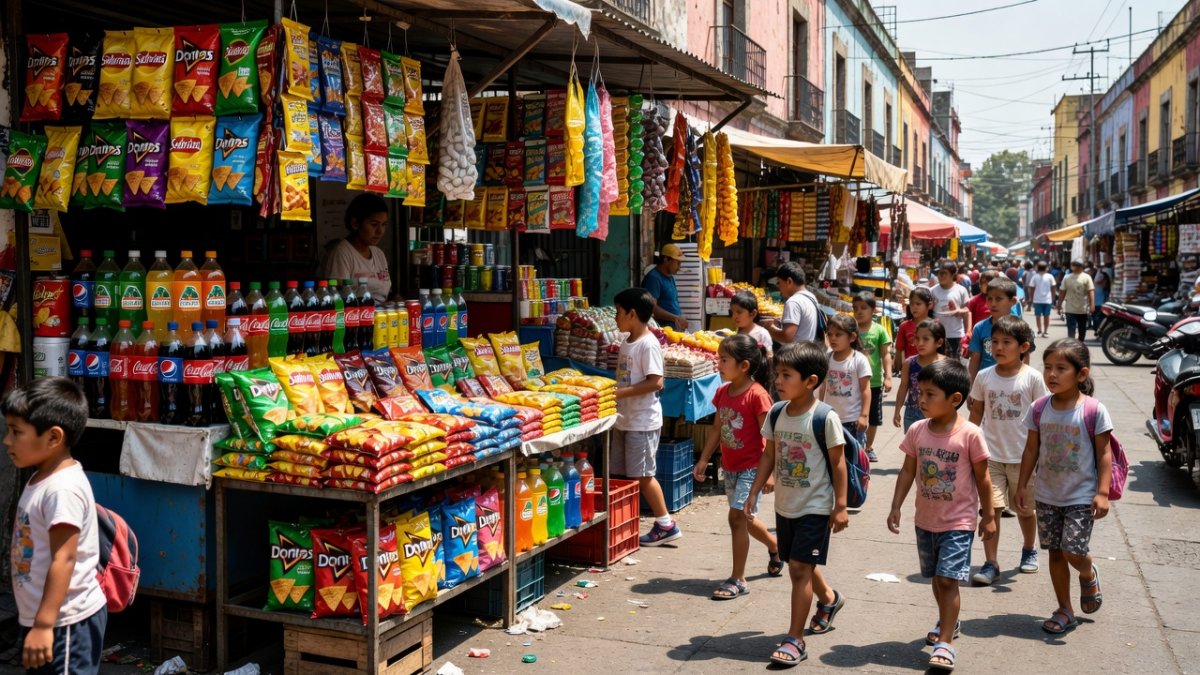
São Paulo, Brazil — July 13, 2026 — Ultraprocessed foods have transformed daily life across Latin America with alarming speed. In Mexico caloric intake from these products surged from roughly 30 percent to over 60 percent, placing the country highest in the region and fourth globally. Chile followed a similar trajectory, climbing from about 28 percent to more than 60 percent. Brazil registers a lower yet still concerning 22 percent. These shifts coincide with stark health outcomes: Mexico reports diabetes prevalence near 18 percent among adults, while overweight and obesity rates reach 73 percent in Mexico, 79 percent in Chile and 63 percent in Brazil.
The Global UPF Crisis Reaches Latin America
The human cost appears in crowded clinics from São Paulo to Mexico City where families confront non-communicable diseases once rare in younger generations. In 2020 alone sugary drinks contributed to approximately 90,000 deaths across Latin America and the Caribbean. Across the Americas NCD deaths hit roughly 6 million in 2021, marking a 43 percent rise since 2000. The Al Jazeera English documentary “How ultraprocessed food marketing keeps consumers addicted” captures how aggressive promotion locks communities into cycles of dependence that strain public health systems and household budgets alike.
PAHO data underscore that these patterns reflect deeper economic pressures. Street vendors and corner stores stock affordable UPFs because fresh produce remains expensive or inaccessible in many neighborhoods. Political decisions on trade and subsidies have favored transnational corporations, reshaping what families place on their tables each evening. The result is a region where convenience carries hidden costs measured in lost years of healthy life.
How Big Food Markets to Latin America's Children
Marketing strategies deliberately target the youngest consumers, embedding brand loyalty before children learn to read. Television spots, sports sponsorships and colorful packaging create constant exposure that parents struggle to counter. In Colombia Coca-Cola events tied to soccer tournaments reach millions of school-age viewers, turning weekend matches into extended advertisements. Industry tactics mirror those once used by tobacco companies, a parallel highlighted in the 2025 Lancet Series on commercial determinants of health.
Revolving doors between regulators and corporations further tilt the field. Lobbyists emphasize personal responsibility while blocking restrictions on child-directed ads. Sports sponsorships continue even as evidence mounts that these campaigns normalize high-sugar, high-fat products. The 2025 Lancet Series explicitly compared these approaches to tobacco industry playbooks, noting how both sectors fund research and community programs to soften regulatory pressure.
Communities feel the effects daily. In working-class districts of Bogotá and Buenos Aires children request products they see promoted during prime-time programming. Activists document how cartoon mascots and celebrity endorsements bypass parental oversight, shaping taste preferences that last into adulthood. Without stronger safeguards, the next generation faces elevated risks of obesity and diabetes before they finish secondary school.
Chile's Warning Label Revolution
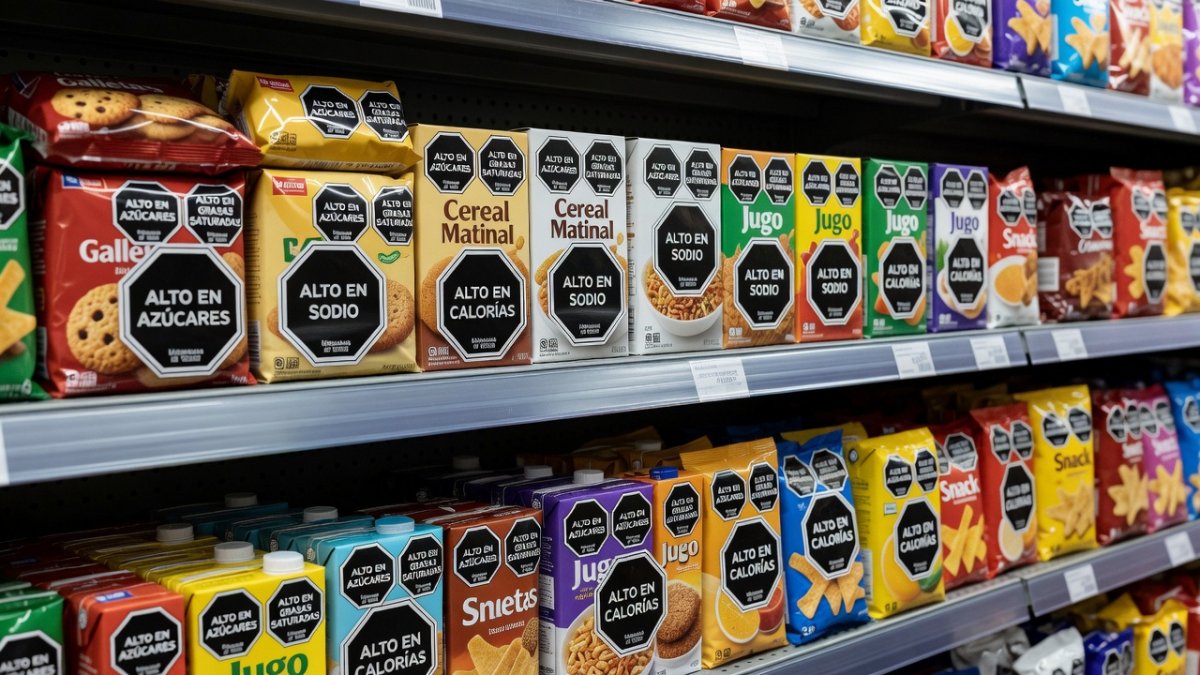
Chile led the region with its 2016 mandate for black octagonal “ALTO EN” front-of-pack warning labels. The policy restricted child-directed marketing, banned cartoon mascots on packaging and prohibited sales of labeled products inside schools. MINSAL Chile coordinated implementation that quickly produced measurable change. Purchases of labeled items fell by up to 25 percent within several years.
A Lancet 2026 study tracking more than 300,000 children documented clear reductions in childhood excess weight and obesity after a decade. Economist Guillermo Paraje has described the framework as a successful, exportable model that balances public health with feasible enforcement. In December 2025 new rules added the phrase “Evita su consumo” to advertisements, strengthening consumer warnings.
Families in Santiago report noticing the labels during routine shopping and adjusting choices accordingly. School directors confirm fewer sugary snacks appear in lunchboxes. The policy’s success stems from its simplicity and visibility, allowing even low-literacy households to make informed decisions. Regional health officials now study Chile’s approach as they draft their own regulations, recognizing that early action can bend obesity curves before they become irreversible.
Mexico: From Number One to Number Eight
Mexico advanced its own front-of-pack system with black octagonal “EXCESO” warnings rolled out between 2020 and 2021. COFEPRIS and INSP guided the technical standards while the Ley General de Alimentación Adecuada y Sostenible provided the legal backbone. Cartoon mascots, celebrities and other child-appealing elements were banned from packaging. By March 2026 Mexico had dropped from first to eighth place in global childhood obesity rankings and presented its experience as best practice at the World Health Assembly.
Industry opposition proved fierce, with millions spent on lobbying and legal challenges. Poder del Consumidor continues pushing 2026 conflict-of-interest reforms to limit corporate influence over future rules. Daily life in Mexico City markets shows gradual shifts as shoppers scan labels before selecting cereals or beverages. Parents describe feeling empowered yet still frustrated by the volume of products that carry multiple warnings.
The drop in rankings reflects sustained civil-society pressure combined with government commitment. INSP surveillance data reveal modest declines in purchases of high-sugar items among lower-income households most affected by diabetes. These gains remain fragile, however, as transnational firms adapt packaging and marketing tactics to skirt the spirit of the law. Continued vigilance from groups like Poder del Consumidor will determine whether Mexico sustains its progress or slides backward.
Argentina and Colombia: Progress Under Threat
Argentina’s Ley de Etiquetado Frontal introduced black seals aligned with the PAHO model, yet the Milei government advanced legislative steps toward repeal as of July 2026. More than 300 organizations, including UNICEF, the Argentine Society of Pediatrics, the Argentine Society of Nutrition and the Argentine Cardiology Federation, have voiced strong opposition. Critics warn that repeal would increase obesity-related healthcare spending and expose children to unchecked marketing.
Colombia faces parallel obstacles. Four legislative projects to restrict child-directed advertising were archived after sustained industry pressure. A June 2026 investigation by Cuestión Pública and Vorágine revealed how corporations turned children into core consumers through television and sports channels. The Constitutional Court has recognized UPFs as harmful, and a UNAL report documented systematic lobbying tactics. A new legislative period beginning July 20, 2026 offers fresh opportunity to advance bills regulating both UPFs and sweetened-beverage advertising.
Communities in Buenos Aires and Medellín watch these developments closely. Mothers who once welcomed warning labels now fear their removal will erase hard-won gains. Public-health advocates argue that repealing or stalling these measures prioritizes corporate profits over the long-term economic productivity of entire generations.
Brazil's School Feeding Challenge
Brazil relies on ANVISA’s mandatory front-of-pack nutritional labels using a magnifying-glass format that many experts consider less strict than Chile’s or Mexico’s black octagons. A government decree aims to halve UPFs in school meals by 2026, replacing biscuits and sodas with fruits and vegetables. The NOVA classification system, developed by Carlos A. Monteiro at the University of São Paulo, underpins much of the country’s research and policy debate.
The 2025 Lancet Series led by Monteiro called for a WHO Framework Convention on Tobacco Control-style treaty to address ultraprocessed foods globally. Brazil participates in ongoing Mercosur harmonization talks that could standardize stronger labeling across member states. In São Paulo public schools, nutritionists already report modest improvements after pilot substitutions, though supply-chain logistics remain challenging in remote municipalities.
Families in favelas and rural towns notice the difference when children bring home fewer packaged snacks. Yet industry continues to influence procurement contracts and advertising near school zones. Sustained civil-society monitoring will be essential to ensure the 2026 target translates into lasting dietary change rather than temporary adjustments that revert once attention fades.
The Bottom Line — What Comes Next
Latin America stands at a crossroads where proven policies clash with renewed industry resistance. Chile’s measurable success, Mexico’s ranking improvement and Brazil’s school-feeding targets demonstrate that evidence-based regulation can shift consumption patterns and protect public health. Yet repeal efforts in Argentina, stalled bills in Colombia and softer labeling standards in Brazil reveal how fragile these advances remain.
Regional institutions including PAHO continue to advocate for harmonized standards that prioritize child health over corporate convenience. The 2025 Lancet Series comparison to tobacco tactics underscores the need for structural safeguards such as conflict-of-interest rules and marketing bans. Daily life in markets, schools and clinics will ultimately register whether governments choose to defend these gains or yield to lobbying pressure.
Communities across the region have already paid the price in elevated diabetes rates, shortened lifespans and strained healthcare budgets. The path forward requires sustained political will, transparent governance and active citizen oversight. Without decisive action the ultraprocessed-food crisis will deepen, locking another generation into preventable disease. The choice belongs to policymakers who must decide whether Latin America’s children inherit health or habit.
By Elena Vasquez, Staff WriterThis article was produced with AI-assisted research and editorial support. Reporting is based on sources cited in the article.
What's Your Reaction?
 Like
0
Like
0
 Dislike
0
Dislike
0
 Love
0
Love
0
 Funny
0
Funny
0
 Wow
0
Wow
0
 Sad
0
Sad
0
 Angry
0
Angry
0

Latin America Correspondent at Global1.News. Based in Mexico City, covering politics, economics, energy, and culture across the region. Brings an on-the-ground perspective to stories spanning from the Rio Grande to Patagonia.













Comments (0)