
WHO Global Cancer Report 2026: India's Rising Burden
**Keywords:** WHO cancer report 2026, IARC, cancer India, National Cancer Control Programme, Ayushman Bharat PM-JAY, tobacco control India, breast cancer survival, ICMR cancer data, HTAIn, oral cancer India, cervical cancer India, G20 cancer declaration, out-of-pocket cancer costs Global Cancer Trends Projected to 2050 The WHO Global Status Report on Cancer 2026, released joint
Global Cancer Trends Projected to 2050
The WHO Global Status Report on Cancer 2026, released jointly with IARC on 8 July 2026, presents stark projections. Annual new cases are expected to climb from 20.6 million in 2022 to 35 million by 2050, representing a 66.7 percent increase. Nearly 10 million people die from cancer each year, equating to more than 26,000 deaths daily. Cancer remains the second leading cause of death after cardiovascular disease. The report notes that 92 percent of people worldwide are affected personally or through family and friends, while one in five individuals will develop cancer in their lifetime. These figures carry direct consequences for Indian taxpayers funding public health systems and for patients facing delayed diagnosis. The data underscore the urgency for scalable interventions under frameworks such as India’s National Cancer Control Programme.
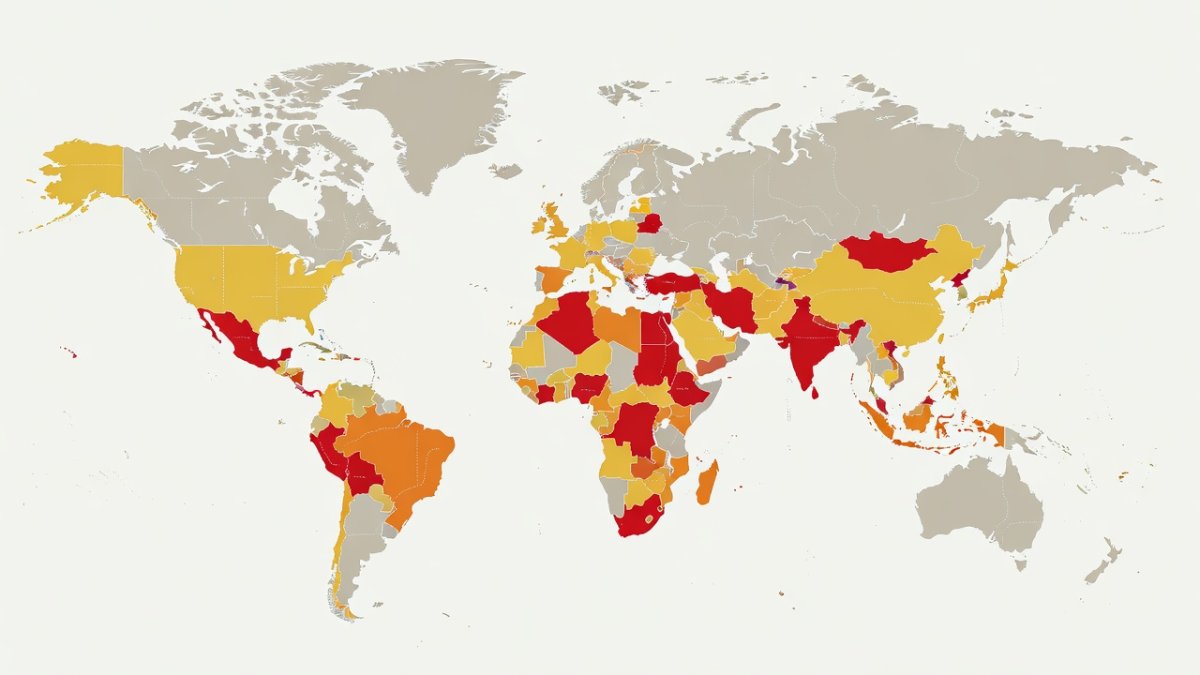
India ranks among the six hardest-hit nations alongside China, Pakistan, Bangladesh, Nigeria and Indonesia. Two in five children globally who lose their mothers to cancer come from these countries. Rising incidence of colorectal and lung cancers, documented in recent ICMR data, compounds the burden on tertiary centres including AIIMS. The 66.7 percent global surge translates into millions of additional Indian cases requiring radiotherapy, chemotherapy and surgical capacity that many states still lack.
The Preventable Nature of Many Cancers
Nearly 40 percent of all cancer cases remain preventable through lifestyle modification, tobacco control, vaccination and early detection. Tobacco alone accounts for approximately 22 percent of global cancer deaths, making it the largest preventable cause. The report highlights human papillomavirus vaccination and hepatitis B immunisation as proven tools that could avert hundreds of thousands of cervical and liver cancers annually. In India, oral cancer linked to smokeless tobacco and areca nut continues to drive high mortality among working-age men. The Ministry of Health and Family Welfare has expanded tobacco control under the National Cancer Control Programme, yet enforcement varies across states. HTAIn evaluations under the Department of Health Research consistently show that scaling HPV vaccination to 90 percent coverage among adolescent girls would yield substantial cost savings for Ayushman Bharat PM-JAY by reducing future treatment claims. Early detection programmes targeting breast, oral and cervical cancers could shift stage-at-diagnosis profiles and improve five-year survival rates.
Survival Disparities Between High and Low Income Nations
Breast cancer survival exceeds 90 percent in high-income countries yet falls below 40 percent in low-income settings. Similar gaps exist for cervical and colorectal cancers. These disparities arise from late presentation, limited pathology services and shortages of trained oncologists. In India, states with weaker tertiary care infrastructure report markedly lower survival compared with Delhi or Maharashtra. Patients in Bihar and Uttar Pradesh often travel long distances to AIIMS or regional cancer centres, incurring catastrophic costs before treatment begins. The report emphasises that equitable access to essential medicines and radiotherapy machines could narrow these gaps within a decade. Indian policymakers must prioritise HTAIn assessments of cost-effective technologies to ensure Ayushman Bharat PM-JAY packages deliver measurable survival gains rather than simply reimbursing late-stage interventions.
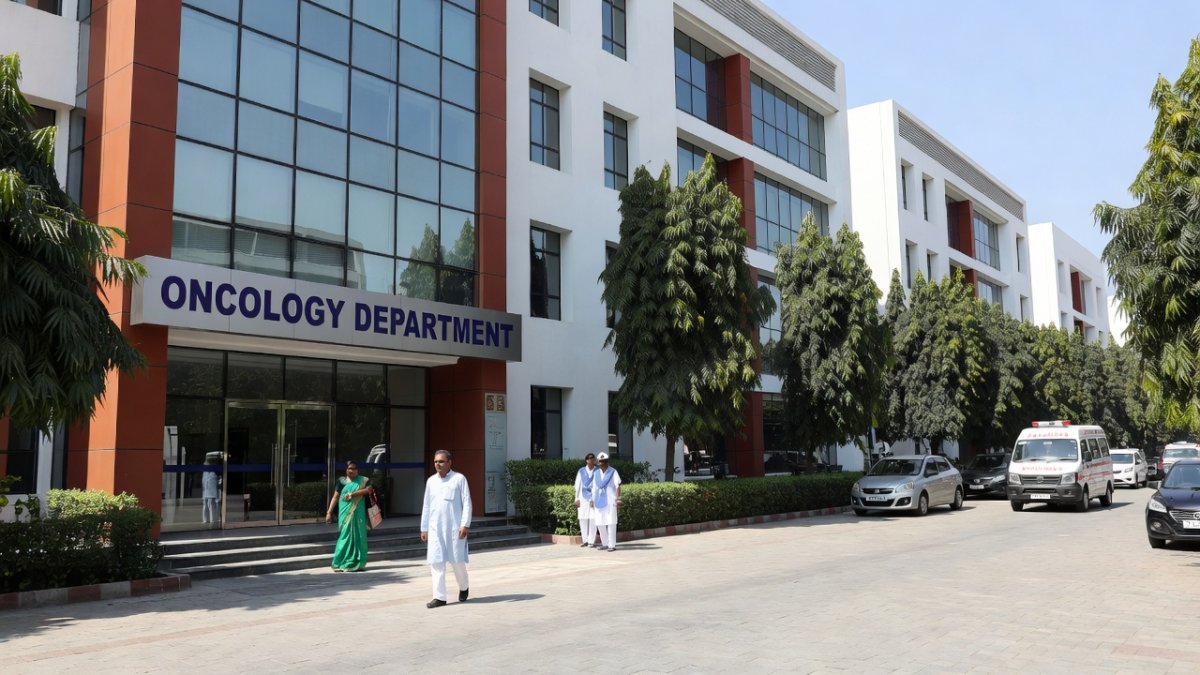
Economic Impact and Productivity Losses Worldwide
Cancer imposes an annual global economic burden of 1.16 trillion US dollars in lost productivity. Half of all patients experience financial hardship, while more than half face mental health challenges. For Indian households, out-of-pocket expenditure remains significant despite Ayushman Bharat PM-JAY coverage, often exceeding 40 percent of annual income for advanced disease. The 2023 G20 Declaration endorsed WHO cancer initiatives, yet implementation at state level lags. Lost productivity hits India’s demographic dividend particularly hard, as many patients are aged 30–60 years. ICMR projections indicate that without accelerated prevention, the cumulative economic loss to the Indian economy could surpass several lakh crore rupees by 2035. Integrating mental health support into National Cancer Control Programme guidelines would address the psychosocial dimension while reducing long-term disability claims.
India’s Cancer Landscape and Key Challenges
Breast, oral and cervical cancers dominate India’s incidence profile. Rising colorectal and lung cancer rates tracked by ICMR signal an epidemiological transition driven by urbanisation and changing diets. Two in five children worldwide who lose mothers to cancer originate from the six hardest-hit nations, including India. Infrastructure gaps persist: only 20 percent of districts possess functional radiotherapy units. Out-of-pocket costs for diagnostics and supportive care continue to push families into poverty. The Ministry of Health and Family Welfare’s National Cancer Control Programme has expanded population-based screening in select districts, yet coverage remains below 30 percent nationally. Weaker states experience survival rates 15–20 percentage points lower than national averages, highlighting the need for targeted central funding and HTAIn-guided technology deployment.
Indian Government Initiatives and Policy Framework
Ayushman Bharat PM-JAY provides cashless cancer treatment up to five lakh rupees per family, yet package rates often fail to cover full cycles of immunotherapy or advanced imaging. HTAIn conducts health technology assessments that inform inclusion of new drugs and devices under the scheme. The National Cancer Control Programme coordinates screening, tobacco control and palliative care across states. India’s 2023 G20 presidency secured endorsement for WHO cancer initiatives, positioning the country as a global advocate for equitable access. Collaboration between MoHFW, ICMR and AIIMS has produced updated clinical guidelines for oral and cervical cancers. However, integration of mental health services and financial navigation remains incomplete. Strengthening district-level oncology units and enforcing tobacco control laws could reduce incidence by the 40 percent prevention target outlined in the WHO report.
Urgent Calls for Action and Future Outlook
WHO Director-General Dr Tedros has called for immediate, coordinated action. For India, this means expanding HPV vaccination, enforcing tobacco control, and scaling early detection under the National Cancer Control Programme. HTAIn must accelerate evaluations of cost-effective interventions to guide Ayushman Bharat PM-JAY expansions. Investment in state cancer institutes and AIIMS satellite centres will be essential to close survival gaps. Without decisive steps, the projected rise to 35 million global cases by 2050 will overwhelm Indian health systems and strain public finances. The 2026 report serves as both warning and roadmap: prevention, early detection and equitable treatment can avert millions of deaths and billions in productivity losses. Indian policymakers, clinicians and civil society must act with urgency to protect patients and taxpayers alike. — By Dr. Raj Patel, Staff Writer
This article was produced with AI-assisted research and editorial support. Reporting is based on sources cited in the article.
What's Your Reaction?
 Like
0
Like
0
 Dislike
0
Dislike
0
 Love
0
Love
0
 Funny
0
Funny
0
 Wow
0
Wow
0
 Sad
0
Sad
0
 Angry
0
Angry
0

India/South Asia Correspondent at Global1.News. Analytical voice with a background in science and health journalism. Based in New Delhi, covering Indian politics, education, healthcare, technology, and policy. Breaks down complex data into clear, actionable reporting.












Comments (0)