
The Chinese Graduate Accused of Being Mexico's 'Fentanyl King'
Zhang Zhidong and the Alleged Bridge Between Chinese Suppliers and Mexican Labs Zhang Zhidong, a 39-year-old Chinese national, faces trial in the United States on charges of drug trafficking and money laundering. Court filings state that he has operated a narcotics trafficking and money laundering organization since June 2016. Members of the Sinaloa cartel credit him with estab
Zhang Zhidong and the Alleged Bridge Between Chinese Suppliers and Mexican Labs
Zhang Zhidong, a 39-year-old Chinese national, faces trial in the United States on charges of drug trafficking and money laundering. Court filings state that he has operated a narcotics trafficking and money laundering organization since June 2016. Members of the Sinaloa cartel credit him with establishing the supply chain of fentanyl precursors from Chinese factories to Mexican drug laboratories. The case places Mexico at the center of the production process for a synthetic opioid described as 50 times more potent than heroin.
Zhang graduated from Peking University in 2010 with a degree in Spanish. He traveled to Mexico in 2011 to work for a Chinese-owned mining company. Former colleagues describe him as bright and resourceful, with excellent Spanish and an instinct for street language. These details form the foundation of the prosecution narrative that links his language skills and regional presence to the movement of precursor chemicals into Sinaloa cartel operations.
Mexico as the Production Battleground in the Fentanyl Trade
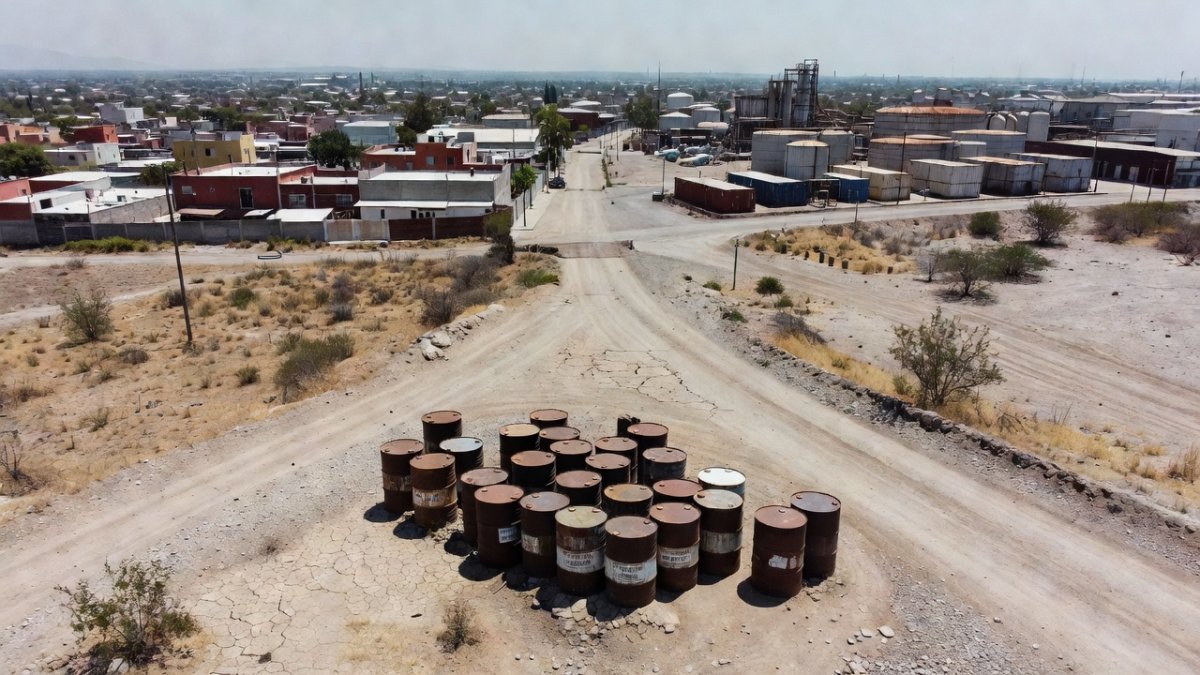
The Sinaloa cartel operates laboratories inside Mexico that convert precursor chemicals into finished fentanyl. Court documents accuse Zhang of offering these precursors directly to the cartel. This arrangement positions Mexican territory as the site where raw materials from Chinese manufacturers become the final product distributed northward. The process occurs amid Mexico's ongoing drug war, where cartel control over certain regions creates the infrastructure for such manufacturing.
Health impacts reach Mexican communities through exposure to the chemicals and the violence tied to lab operations. While the source material notes that fentanyl kills tens of thousands each year mostly in the United States, the production sites remain in Mexico. This creates localized risks for workers and nearby residents who encounter the substances during synthesis. The Sinaloa cartel's role extends across northern and western Mexico, affecting communities that have long navigated the presence of large-scale drug organizations.
US Policy Under Trump and Its Direct Pressure on Mexico
US President Donald Trump has labelled fentanyl dealers "narco-terrorists" and classified the drug and its components as weapons of mass destruction. These designations shape bilateral relations by framing precursor flows from China through Mexico as a national security matter. The extradition of Zhang from Mexico to the United States in 2025 reflects this policy emphasis on targeting individuals who facilitate the supply chain.
US-Mexico cooperation on extradition has intensified in recent years as American authorities seek to disrupt the precursor route. Zhang was arrested in Mexico in 2024, made a dramatic escape, and was recaptured before transfer to US custody. This sequence illustrates how Mexican law enforcement actions feed into US legal proceedings, placing pressure on Mexican institutions to act against figures connected to the Sinaloa cartel.
The Personal Connections That Allegedly Enabled the Trade
Zhang allegedly entered a romantic relationship with a female relative of one of the cartel's leaders. Court filings link this personal tie to his ability to offer precursor chemicals to the Sinaloa organization. Such relationships highlight how individual networks inside Mexico can connect distant chemical suppliers to local production sites.
These connections operate within the broader structure of the Sinaloa cartel, which maintains influence across multiple Mexican states. The cartel's established presence allows for the integration of external actors like Zhang into existing distribution and manufacturing systems. This integration sustains the flow of materials that ultimately reach US markets.
Health and Security Consequences for Latin American Communities
Mexican communities bear the immediate burden of lab-related violence and chemical handling even as the majority of overdose deaths occur north of the border. The Sinaloa cartel's dominance in certain regions means that local populations live alongside production activities that draw international attention and enforcement. This dynamic strains public health resources in areas where fentanyl synthesis takes place.
Latin American governments face ongoing challenges in balancing domestic security needs with external demands from the United States. The classification of fentanyl components as weapons of mass destruction by the Trump administration adds a layer of urgency to these relations. Mexico remains the geographic link where Chinese precursors meet cartel laboratories, making the country a focal point for policy responses that affect regional stability.
Legal Proceedings and the Ongoing Case
Zhang is awaiting trial after pleading not guilty to the charges. The case rests on accusations that he connected Chinese chemical manufacturers to Mexican drug labs over several years. Extradition in 2025 brought him into the US justice system, where the details of his alleged activities since 2016 will be examined.
The proceedings underscore Mexico's position as both a transit and production zone in the fentanyl supply chain. As the trial advances, attention remains on how one individual's movements from a mining company role in 2011 to alleged cartel facilitation illustrate the pathways that sustain precursor movement across borders.
By Elena Vasquez, Staff WriterThis article was produced with AI-assisted research and editorial support. Reporting is based on sources cited in the article.
What's Your Reaction?
 Like
0
Like
0
 Dislike
0
Dislike
0
 Love
0
Love
0
 Funny
0
Funny
0
 Wow
0
Wow
0
 Sad
0
Sad
0
 Angry
0
Angry
0
Latin America Correspondent at Global1.News. Based in Mexico City, covering politics, economics, energy, and culture across the region. Brings an on-the-ground perspective to stories spanning from the Rio Grande to Patagonia.










Comments (0)