
Record Settler Incursions and Barring of Grand Mufti Mark Escalation at Al-Aqsa Mosque
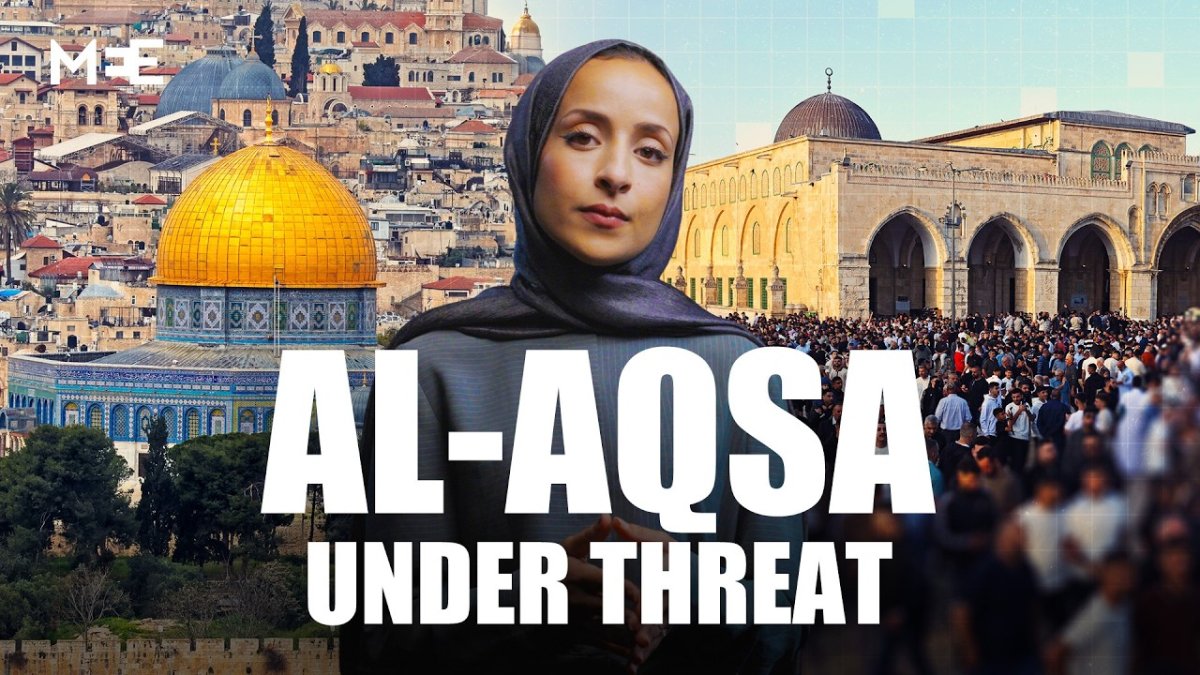
In a recent Middle East Eye report published on July 13, 2026, the video outlines how Al-Aqsa Mosque stands at a critical juncture, with proposals that could alter its longstanding administration under the Islamic Waqf and Jordan's custodianship. The report details concerns over a potential shift that would introduce Israeli oversight, permit expanded Jewish prayer groups, and
In a recent Middle East Eye report published on July 13, 2026, the video outlines how Al-Aqsa Mosque stands at a critical juncture, with proposals that could alter its longstanding administration under the Islamic Waqf and Jordan's custodianship. The report details concerns over a potential shift that would introduce Israeli oversight, permit expanded Jewish prayer groups, and affect access for Palestinian worshippers in occupied East Jerusalem. These developments build on patterns observed in recent months, where incremental changes have raised alarms about the erosion of established arrangements at the site.
Record Settler Incursions in July
Palestinian Ministry of Awqaf figures show that more than 1,403 Israeli settlers entered Al-Aqsa Mosque courtyards during the first week of July 2026. These entries occurred under heavy Israeli police protection, with extended raid hours and longer periods spent inside the compound compared to previous periods. The increase marks a continuation of heightened activity through the Mughrabi Gate.
Palestinian residents in Jerusalem describe the practical effects on daily worship. Families report adjusting prayer times or avoiding certain areas within the complex to navigate the presence of large groups and security measures. The ministry noted that such incursions disrupt the routine use of the site by local communities who have maintained access under the status quo since 1967.
Historical records indicate that Al-Aqsa has served as a central place of worship for Palestinians in East Jerusalem, with the Waqf handling maintenance and religious functions. The recent scale of entries has prompted local organizations to document impacts on attendance, particularly during peak prayer times.
Grand Mufti Barred from the Mosque
On July 10 and 11, 2026, Israeli authorities arrested Jerusalem's Grand Mufti Sheikh Mohammed Hussein following Friday prayers. He was subsequently barred from Al-Aqsa for one week, with the action linked to his prayers for Palestinians killed in Gaza. The move drew attention from religious leaders across the region who view the Grand Mufti's role as tied to the site's traditional oversight.
Sheikh Hussein's position involves guiding sermons and community matters at the mosque. Local worshippers expressed concern that restrictions on such figures limit the continuity of established religious practices. The incident occurred amid broader tensions in occupied East Jerusalem, where access to holy sites forms part of daily life for many Palestinian families.
Community accounts highlight how such measures affect morale among regular attendees. The Grand Mufti's temporary exclusion was reported by the Waqf as an interference with longstanding administrative roles at the complex.
Waqf Facilities Emptied
Israeli forces have emptied four Waqf facilities inside the Al-Aqsa complex: the Dome of Imam al-Ghazali, Dar al-Hadith al-Sharif, Qubbat Sulayman, and Qubbat Musa. Reports indicate locks were broken and reinstallation prevented, actions described by the Al-Quds International Institution as part of a campaign targeting Waqf authority.
These structures have historically supported religious education and storage functions under Jordanian custodianship. Their removal alters the operational capacity of the Waqf, which has managed the site since 1967 in line with post-1967 arrangements. Palestinian officials note that such steps reduce the physical presence of traditional administration within the compound.
Residents in surrounding neighborhoods connect these changes to broader restrictions on movement and access in East Jerusalem. The emptying of the facilities has been cited by local institutions as evidence of systematic efforts to shift control away from established bodies.
The Plan to Reshape Al-Aqsa
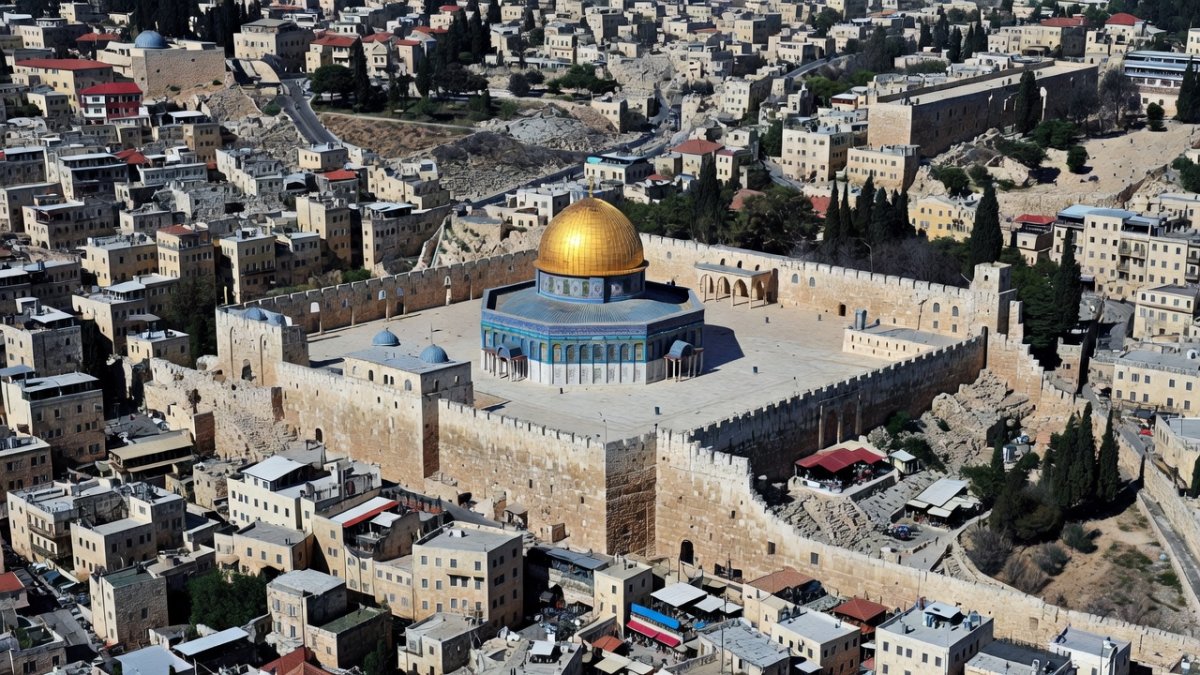
Reports from May 2026 indicated that the United States and Israel were actively considering measures to replace the Islamic Waqf with a new Israeli-created body. The proposed changes would formally allow large-group Jewish prayer and grant Israel greater influence over imam appointments and sermon content. A US official has denied the existence of such a plan, describing related reports as false.
Jordan maintains that its custodianship, recognized in the 1994 peace treaty, remains central to its role. The precedent of the Ibrahimi Mosque in Hebron, where space was divided after 1994, is frequently referenced in discussions about potential outcomes at Al-Aqsa. Palestinian analysts point to these proposals as extensions of control over occupied East Jerusalem.
The status quo arrangement has allowed continued Palestinian access while preserving Waqf management. Any shift toward new administrative structures would require careful examination of its effects on worshippers who rely on the site for regular religious observance.
Regional and International Reaction
Saudi Arabia and seven other Muslim countries issued condemnations of settler incursions at Al-Aqsa during June 2026. Jordan has reiterated its position on custodianship through official channels. These statements reflect regional interest in maintaining the existing framework at the site.
Israeli Minister Itamar Ben Gvir has been associated with organizing mass settler entries. Palestinian human rights groups have documented the cumulative effect of these activities on community access and site integrity. International observers continue to monitor developments in line with prior agreements.
Local Palestinian voices emphasize the importance of preserving the mosque's role in cultural and religious life. Reactions from neighboring states underscore the wider implications for stability in the region.
Analysis: A Slow-Motion Takeover
The July 2026 developments, including the record number of settler entries, the barring of the Grand Mufti, and the emptying of Waqf facilities, illustrate an incremental approach to altering conditions at Al-Aqsa. These steps occur against the backdrop of the 1967 status quo and ongoing occupation of East Jerusalem.
Palestinian worshippers experience direct consequences through adjusted routines and reduced administrative support. The pattern echoes earlier changes at other sites, where initial measures led to lasting divisions in access and control. Documentation by the Waqf and Palestinian institutions provides records of each phase.
Human rights considerations center on the right to worship without interference. Continued monitoring of incursions, arrests, and facility changes offers a basis for understanding the evolving situation on the ground. The lived reality for Jerusalem residents involves navigating these shifts while maintaining connection to a site central to their identity and practice.
The cumulative record from early July 2026 points to sustained pressure on the traditional administration of Al-Aqsa. Palestinian communities continue to assert their connection to the mosque through regular attendance and institutional advocacy, even as external measures reshape aspects of its operation.
By Fatima Al-Rashid, Staff WriterThis article was produced with AI-assisted research and editorial support. Reporting is based on sources cited in the article.
What's Your Reaction?
 Like
0
Like
0
 Dislike
0
Dislike
0
 Love
0
Love
0
 Funny
0
Funny
0
 Wow
0
Wow
0
 Sad
0
Sad
0
 Angry
0
Angry
0

Gulf/MENA Correspondent at Global1.News. Based in Doha, covering Gulf politics, energy markets, diplomacy, and development across the Middle East and North Africa. Tracks the economic transformation of the Gulf states.












Comments (0)