
MUFG Surpasses Toyota as Japan's Most Valuable Company
MUFG Surpasses Toyota as Japan’s Most Valuable Company MUFG reached the top position among Japanese companies by market capitalization on July 13, 2026. The milestone ended Toyota’s long-standing lead and placed a bank at number one for the first time since the three megabank groups were formed. The shift occurred against a backdrop of higher domestic interest rates and a sharp
MUFG Surpasses Toyota as Japan’s Most Valuable Company
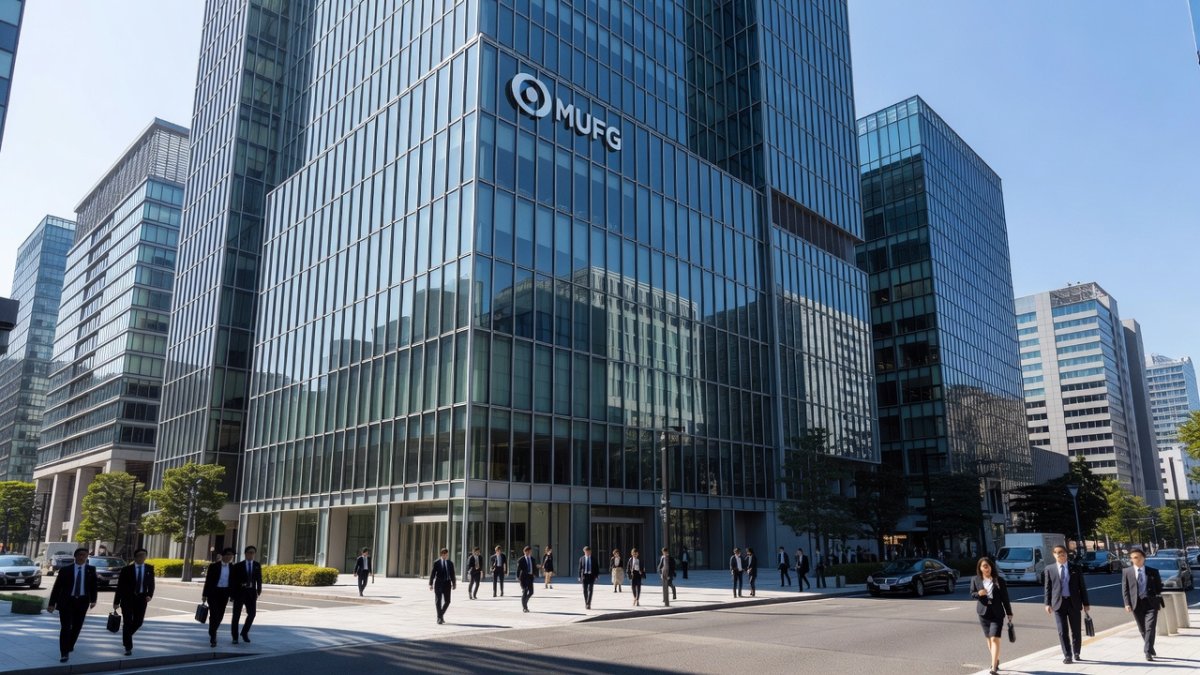
MUFG reached the top position among Japanese companies by market capitalization on July 13, 2026. The milestone ended Toyota’s long-standing lead and placed a bank at number one for the first time since the three megabank groups were formed.
The shift occurred against a backdrop of higher domestic interest rates and a sharply weaker yen. These conditions have altered the relative performance of financial institutions and exporters in the Tokyo market.
The Numbers Behind the Milestone
MUFG’s market value crossed above Toyota’s on the stated date. Toyota had occupied the leading position for years prior to this change. No other bank had achieved the same ranking in the post-megabank era.
MUFG holds an 8.4 percent share of all domestic loans as of March 2025 and maintains 2,700 locations across more than 50 countries. These figures underscore its scale within the Japanese banking system and its international reach.
BOJ Rate Hikes and the Banking Sector
The Bank of Japan ended its negative interest rate policy in March 2024 after roughly eight years. The policy rate now stands at 1.0 percent, the highest level recorded since 1995. This adjustment has improved net interest margins for domestic lenders.
Higher rates have supported earnings at MUFG and the other two megabanks, Sumitomo Mitsui Banking Corporation and Mizuho Bank. The improved environment has contributed directly to the re-rating of bank shares relative to other sectors.
The Yen’s Plunge and Its Dual Effects
The Japanese yen has reached a 40-year low against the U.S. dollar. A weaker currency boosts the yen value of overseas earnings for banks with large international operations such as MUFG.
At the same time, the yen’s decline has supported export-oriented manufacturers including Toyota through improved competitiveness abroad. The contrasting impacts on financials and exporters help explain the rotation in market leadership observed on July 13, 2026.
Historical Significance for the Megabank Era
Since the consolidation that created MUFG, Sumitomo Mitsui Banking Corporation, and Mizuho Bank, no lender had previously claimed the title of Japan’s most valuable company. The July 13 development therefore represents a structural break in market rankings.
The change reflects both the recovery in domestic lending profitability and the global footprint that allows MUFG to capture benefits from currency movements and overseas interest rate differentials.
Implications for Japanese Investors and Markets
The reordering of the top position signals a potential sector rotation within the Tokyo Stock Exchange. Investors may reassess allocations between financials and traditional export leaders as rate-sensitive earnings become more prominent.
Corporate Japan continues to monitor how sustained higher rates affect loan demand and credit quality. The three megabanks now face renewed attention regarding capital allocation and shareholder returns in the current policy setting.
What to Watch For Going Forward
Key variables include the trajectory of credit costs, the pace of domestic loan growth, and any shifts in the global rate environment that could influence the yen. MUFG’s diversified operations across more than 50 countries provide some buffer, yet exposure to overseas economies remains a factor.
Market participants will also track whether the other megabanks follow a similar valuation path or whether MUFG’s lead proves durable under the 1.0 percent policy rate.
Tags: MUFG, Toyota, Bank of Japan, yen, megabanks, market cap, interest rates, Tokyo Stock Exchange
By Kenji Tanaka, Staff Writer
This article was produced with AI-assisted research and editorial support. Reporting is based on sources cited in the article.
What's Your Reaction?
 Like
0
Like
0
 Dislike
0
Dislike
0
 Love
0
Love
0
 Funny
0
Funny
0
 Wow
0
Wow
0
 Sad
0
Sad
0
 Angry
0
Angry
0

Japan Correspondent at Global1.News. Tokyo-based voice covering Japanese politics, technology, economy, and culture. Tracks the intersection of tradition and innovation in one of the world's most dynamic societies.















Comments (0)