
Israeli Nurses Union Declares Labor Dispute Affecting 60,000 Healthcare Workers
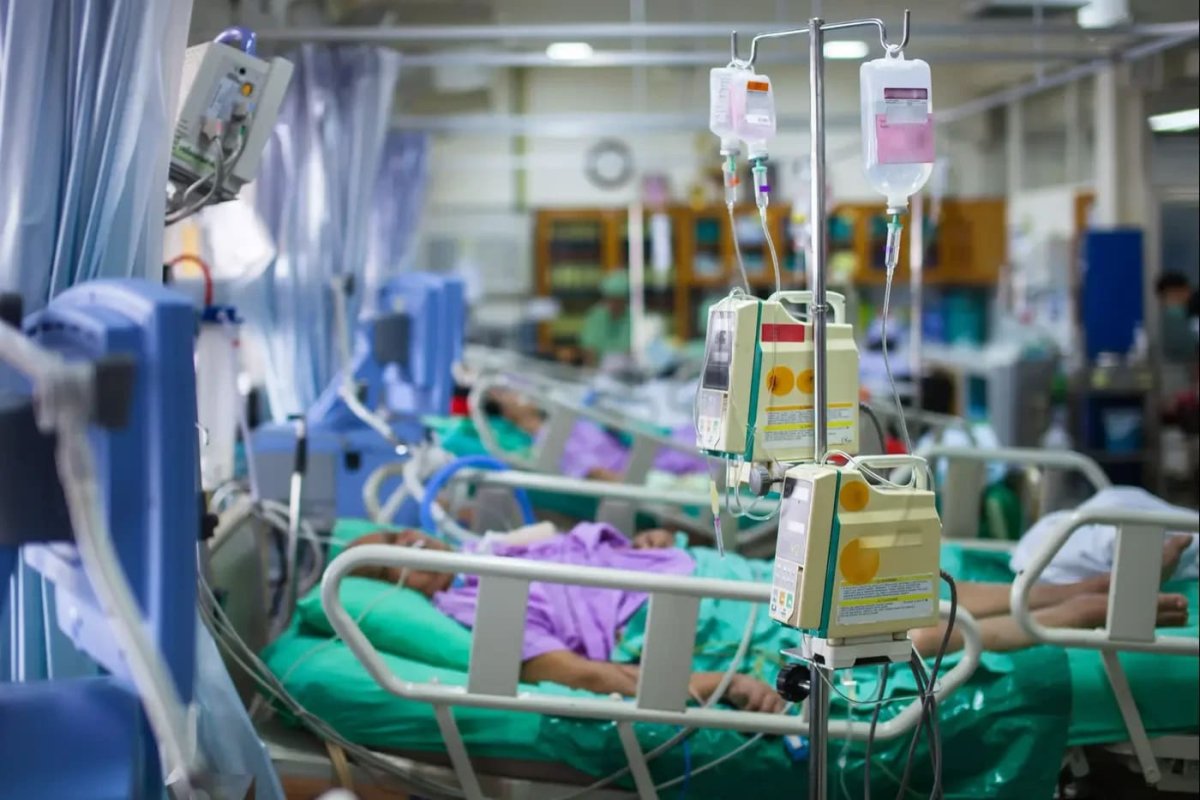
<h2>The Declaration of the Labor Dispute</h2> <p>The Israeli Nurses Union has declared a comprehensive labor dispute affecting approximately 60,000 nurses across the country. This action covers hospitals, clinics, family health centers, nursing homes, and geriatric facilities. The move highlights mounting pressures on frontline healthcare workers amid Israel's ongoing public health demands.</p> <p>Union representatives point to a steady rise in workload across hospital wards, community settings,

The Declaration of the Labor Dispute
The Israeli Nurses Union has declared a comprehensive labor dispute affecting approximately 60,000 nurses across the country. This action covers hospitals, clinics, family health centers, nursing homes, and geriatric facilities. The move highlights mounting pressures on frontline healthcare workers amid Israel's ongoing public health demands.
Union representatives point to a steady rise in workload across hospital wards, community settings, and long-term care facilities. They cite low caregiver-to-patient ratios and restrictions on new hiring as core problems that have gone unaddressed for years.
Core Demands and Working Conditions
Employee representatives argue that state authorities and employers have avoided direct engagement with their concerns. Specific grievances include the replacement of trained scrub nurses in operating rooms with personnel lacking professional qualifications. This shift, they say, compromises both patient safety and professional standards in facilities from Tel Aviv to Haifa.
A union spokesperson stated that instead of reinforcing those on the front lines of care, the state and employers continue to ignore the distress and growing burnout. The timing coincides with persistent challenges in the healthcare system, where real action to ease burdens remains absent.
Health Ministry Position and Recent Steps
The Health Ministry has expressed appreciation for nurses' contributions and described ongoing efforts to improve their status, professionalism, and workload distribution. Officials noted that more than 2,500 new positions have been added in recent years as part of these initiatives.
Despite this response, the union maintains that recruitment cutbacks persist and that existing staffing levels fail to match patient needs in major centers such as Jerusalem's Hadassah hospitals and Haifa's Rambam Medical Center. The ministry's additions represent incremental progress, yet representatives question whether they sufficiently address systemic gaps.
Challenges Facing Israel's Public Health Infrastructure
Israel's public healthcare system operates under continuous strain from population growth and regional security realities. Hospitals in Tel Aviv, Jerusalem, and Haifa routinely manage high patient volumes while balancing emergency preparedness with routine care. The nursing shortage directly affects capacity in these urban hubs and in peripheral regions alike.
Budget allocations often prioritize defense and infrastructure over healthcare expansion, leaving staffing ratios vulnerable. This pattern has contributed to extended shifts and limited recovery time for nurses, particularly in community clinics and geriatric wards where demand continues to rise.
Connection to Aging Population and Labor Relations
Israel's aging population places additional pressure on geriatric facilities and nursing homes, where caregiver shortages are most acute. The Nurses Union dispute reflects broader demographic trends that increase the need for skilled personnel in long-term care settings nationwide.
The Histadrut labor federation, Israel's primary workers' organization, provides the framework for such disputes. Negotiations typically involve coordination between the Nurses Union and Histadrut leadership, aiming to secure agreements that balance employee welfare with public service continuity. Past rounds have shown that unresolved issues can lead to work disruptions affecting daily operations in hospitals across the country.
Implications for Israeli Society and Daily Life
A prolonged dispute risks affecting routine medical services and emergency response capabilities at a time when the healthcare system already contends with multiple demands. Patients in family health centers and nursing homes may experience longer wait times, while nurses report heightened burnout that influences retention rates.
The situation underscores the interdependence between healthcare workforce stability and national resilience. As Israel navigates regional dynamics and internal demographic shifts, addressing nurse staffing emerges as a practical necessity for maintaining accessible care in cities like Tel Aviv, Jerusalem, and Haifa. Continued dialogue between the union, employers, and the Health Ministry will determine whether current tensions translate into lasting improvements.
By Hannah Berg, Staff WriterWhat's Your Reaction?
 Like
0
Like
0
 Dislike
0
Dislike
0
 Love
0
Love
0
 Funny
0
Funny
0
 Wow
0
Wow
0
 Sad
0
Sad
0
 Angry
0
Angry
0












Comments (0)