
Trump Reinstates Iran Naval Blockade in Hormuz After Clashes
Trump Reinstates Hormuz Blockade as US-Iran Tensions Escalate On July 13, 2026, President Donald Trump announced that the United States would reinstate its naval blockade of the Strait of Hormuz and impose a 20 percent toll on all cargo ships transiting the waterway. Trump stated that Washington was "taking over" security responsibilities in the strait, reversing a June 14 agre
Trump Reinstates Hormuz Blockade as US-Iran Tensions Escalate
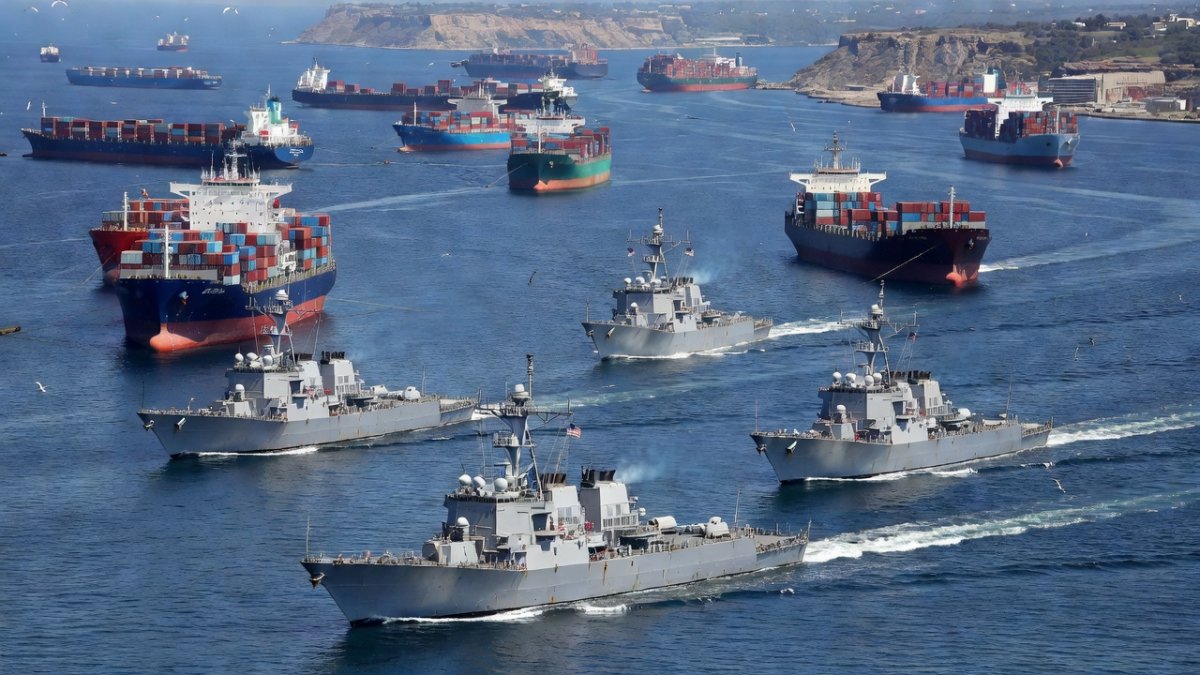
On July 13, 2026, President Donald Trump announced that the United States would reinstate its naval blockade of the Strait of Hormuz and impose a 20 percent toll on all cargo ships transiting the waterway. Trump stated that Washington was "taking over" security responsibilities in the strait, reversing a June 14 agreement with Iran that had briefly reopened the passage after months of direct confrontation.
The decision followed Iranian strikes on a container ship in the strait on July 12 and a weekend of US-Iranian exchanges that included the first reported use of one-way attack sea drones by US forces against Iranian coastal sites, according to US Central Command. Traffic volumes through the strait dropped to multi-week lows on Sunday, and oil prices rose 8 percent on Monday in immediate response to the announcement.
Collapse of the June Ceasefire and Return to Hostilities
The June 14 deal between Trump and Iranian authorities had paused the blockade that began after the 2026 Iran war started on February 28. That earlier agreement collapsed during follow-on talks in Islamabad when Tehran refused to abandon its nuclear program. Indirect discussions continued in Qatar but stalled without progress on enrichment limits or verification measures.
The death of Supreme Leader Ali Khamenei, whose funeral drew large crowds across Iranian cities, further complicated internal decision-making in Tehran. With succession questions unresolved, Iranian forces responded to perceived US pressure by targeting commercial shipping, prompting the renewed American naval posture.
US Strategic Objectives and Gulf Security Guarantees
By reasserting control over the strait, which carries approximately 20 percent of global oil supply, the Trump administration seeks to pressurize Iran while reassuring Sunni Gulf monarchies. Secretary of State Marco Rubio visited Bahrain with explicit promises of US protection for Gulf allies against Iranian retaliation, a message aimed at Saudi Arabia, the UAE, and Bahrain.
Tehran Calculus and Regional Shia Networks
Iran leadership faces constrained options. The nuclear program remains the central sticking point. Tehran has signaled willingness to disrupt shipping rather than accept permanent enrichment limits. Asymmetric tactics including attacks on commercial vessels reflect Iran doctrine of leveraging strait geography against superior conventional forces.
Shia-aligned groups across Iraq, Yemen, and Lebanon remain potential force multipliers, though their capacity to open additional fronts has diminished since the February escalation involving both the United States and Israel. Iranian officials have framed the US toll as economic warfare that justifies continued resistance.
Oil Market Shock and Energy Diversification
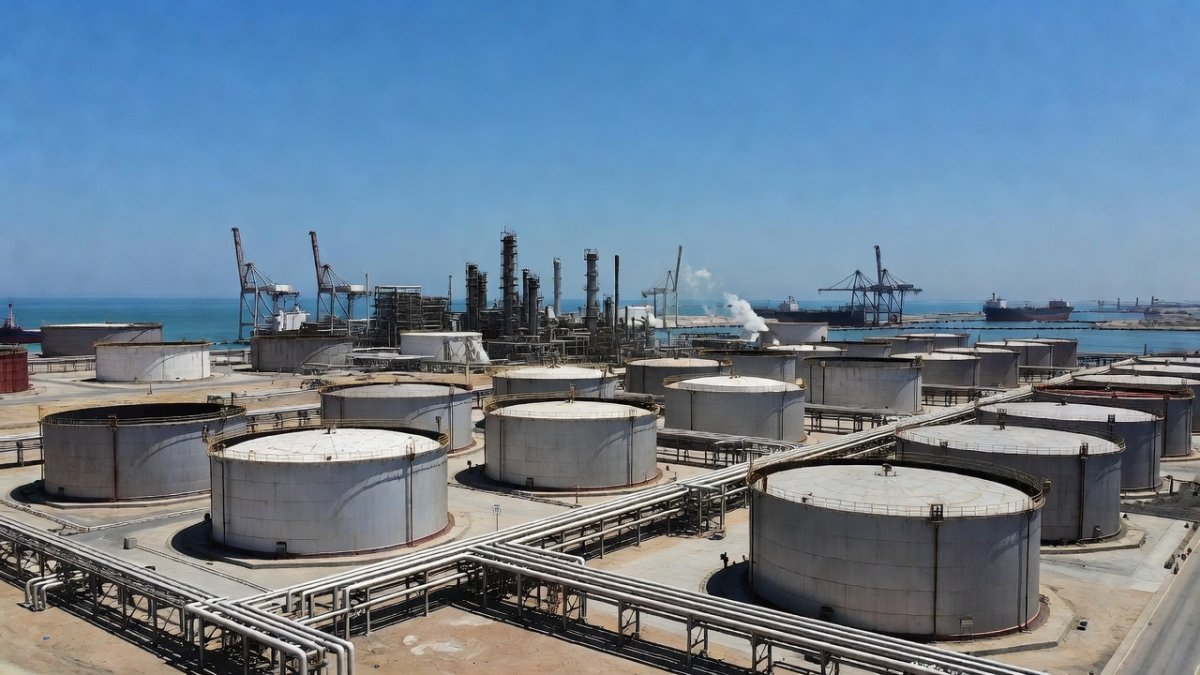
The 8 percent jump in oil prices underscores the strait centrality to global energy markets. Gulf producers pursuing diversification under national visions now confront renewed volatility that could slow foreign investment in non-oil sectors. Saudi Arabia and the UAE have accelerated east-west pipeline expansion bypassing the strait, yet these alternatives remain insufficient for a prolonged closure. Asian economies, particularly China and India, face the sharpest exposure given their reliance on Hormuz crude.
Israeli and Turkish Positions
Israel, which participated in initiating the February 28 campaign alongside the United States, maintains a low public profile since the June pause but presses for permanent constraints on Iran nuclear infrastructure. Turkish officials have called for renewed diplomacy through Qatar while quietly expanding energy ties with Gulf states wary of Iranian disruption.
Prospects for Renewed Negotiations
With direct talks in Islamabad abandoned and Qatari channels stalled, the immediate outlook centers on whether the 20 percent toll and naval presence can force Iranian concessions on the nuclear file. Iran leverage lies in its ability to sustain low-level harassment of shipping and activate proxy networks, while US leverage depends on maintaining coalition support among Gulf capitals and avoiding broader regional spillover.
The coming weeks will test whether economic pressure can achieve what military strikes and earlier diplomacy could not: verifiable rollback of Iran nuclear ambitions without triggering wider conflict across the Persian Gulf.
By Malik Hassan, Staff Writer
This article was produced with AI-assisted research and editorial support. Reporting is based on sources cited in the article.
What's Your Reaction?
 Like
0
Like
0
 Dislike
0
Dislike
0
 Love
0
Love
0
 Funny
0
Funny
0
 Wow
0
Wow
0
 Sad
0
Sad
0
 Angry
0
Angry
0

Middle East Correspondent at Global1.News. Based in Beirut, covering politics, conflict, energy, and society across the Middle East. Brings context and depth to a region often reduced to headlines.












Comments (0)