
How Kenyan Men Are Challenging Tradition by Adopting Their Mothers' Surnames
The Shifting Sands of Kikuyu Identity In recent years a noticeable number of Kikuyu men have begun adopting their mothers' names as surnames, a practice that directly confronts the long-standing custom where children inherit their father's first name as their surname. This development reflects deeper changes in family structures across central Kenya and invites reflection on ho
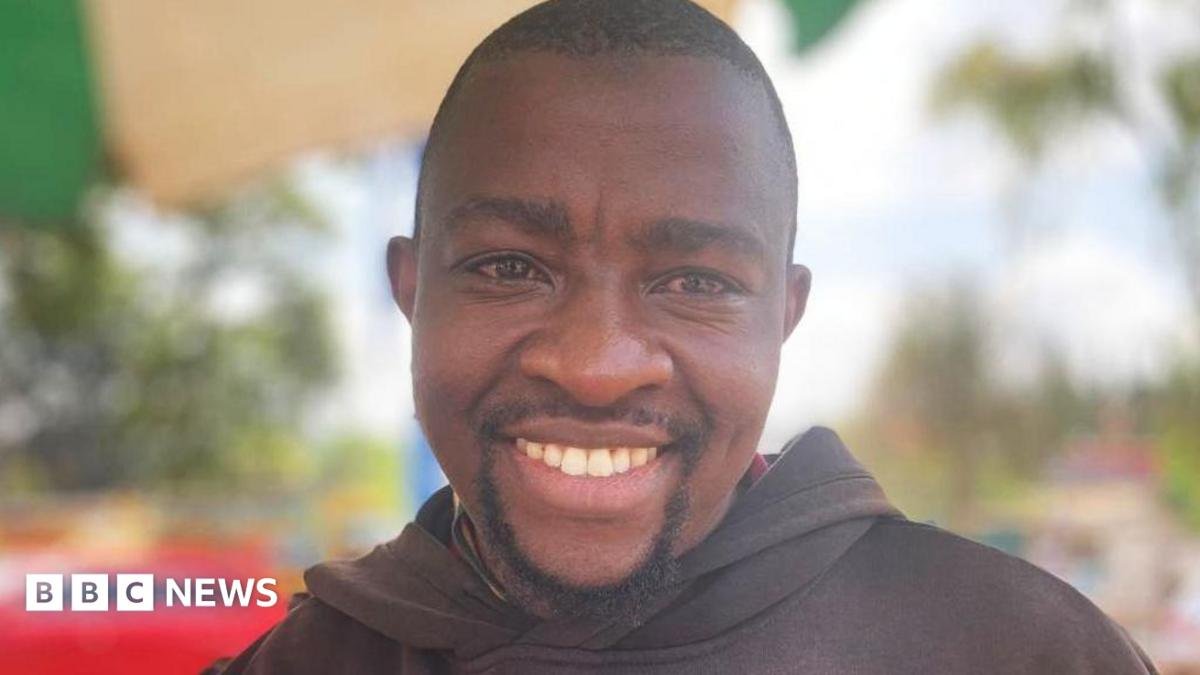
The Shifting Sands of Kikuyu Identity
In recent years a noticeable number of Kikuyu men have begun adopting their mothers' names as surnames, a practice that directly confronts the long-standing custom where children inherit their father's first name as their surname. This development reflects deeper changes in family structures across central Kenya and invites reflection on how communities adapt when traditional lines of inheritance face new realities. From my perspective as a Senegalese observer, such shifts echo moments when West African families have quietly adjusted naming practices to honor lived circumstances rather than rigid rules. What makes the Kikuyu case particularly striking is the open public debate it has generated — a conversation that reaches from village elders to social media, from the floor of Parliament to the music studios of Nairobi.
Among the Kikuyu, the father's first name traditionally becomes the child's surname, anchoring identity firmly within paternal lineage. Yet rising numbers of single-mother households have prompted sons to claim their mother's name instead, signaling both practical necessity and a quiet challenge to inherited norms. In Senegal, similar adjustments occur among Wolof and Serer communities where compound names sometimes incorporate maternal elements when fathers are absent, preserving family continuity without strict adherence to patrilineal rules. These choices carry emotional weight, as they affirm the daily labor of mothers who raise children alone.
The Kikuyu trend also highlights how economic pressures and urban migration reshape family life. Men who grew up without consistent paternal presence find strength in maternal surnames that reflect actual caregiving. Across Africa, gender dynamics are evolving as women head households in increasing numbers, forcing societies to reconsider what constitutes legitimate identity. The Kikuyu conversation, though rooted in central Kenya, mirrors broader continental questions about inheritance, belonging, and the quiet power of maternal lines.
Roots of a Patriarchal Naming Tradition
Kikuyu custom dictates that children take their father's first name as surname, a system that traces descent through male lines and reinforces expectations of paternal authority. This practice has long shaped social recognition, land claims, and community standing in central Kenya. When sons now choose their mother's name, they step outside this framework, prompting elders to question whether such moves erode the foundations of family order. From a Senegalese vantage point, parallels exist in certain Serer villages where matrilineal elements occasionally surface during inheritance disputes, yet patrilineal names remain dominant in official records.
The tradition also ties into broader Kikuyu cosmology linked to the House of Mumbi and the ten daughters of Gikuyu and Mumbi. Clan identity flows through these ancestral daughters, yet daily naming conventions favor fathers. This tension reveals how cultural memory can coexist with evolving realities. In West Africa, many ethnic groups balance similar dualities, honoring maternal clans during ceremonies while recording paternal surnames for legal purposes. The Kikuyu shift therefore represents not wholesale rejection but selective adaptation.
Understanding this background clarifies why the change feels disruptive to some. It challenges assumptions that masculinity and lineage must align exclusively with fathers. As single-parent realities grow, communities across the continent are negotiating new balances between tradition and lived experience, seeking continuity without erasing the contributions of mothers.
The Rise of Single-Mother Households
More single-mother families among the Kikuyu have directly fueled the trend of men adopting maternal surnames. When fathers are absent, the practical link to paternal naming weakens, leaving sons to draw identity from the parent who remained. This pattern mirrors developments in Senegal where urban migration and economic hardship have increased households led by women, prompting quiet revisions to how children are identified in schools and documents. The change is rarely dramatic but reflects necessity rather than ideology.
Single mothers in central Kenya often shoulder both financial and emotional responsibilities, yet their names historically carried less formal weight. Sons choosing maternal surnames publicly acknowledge this reality. In my Senegalese context, similar recognition appears during naming ceremonies when maternal relatives receive special honors if the father is unavailable. Such gestures strengthen family bonds without dismantling entire systems.
The growth of these households also intersects with perceptions of morality. Some observers wrongly associate single-parent upbringing with diminished values, placing extra scrutiny on children who carry maternal names. Across Africa, this bias affects gender dynamics by placing heavier judgment on women who raise children alone. The Kikuyu example shows how naming can become a site of resistance against such stereotypes, affirming the legitimacy of maternal care.
Public Debate and Voices of Dissent
The 2024 debate intensified when motivational speaker Robert Burale argued that men taking their mother's name undermines masculinity. His comments resonated widely, drawing responses from across Kenyan society and highlighting generational divides. Younger men see the choice as personal affirmation, while some elders view it as departure from established order. In Senegal, comparable discussions arise around family names during radio call-in shows, where listeners weigh tradition against modern family forms.
Burale's intervention forced open conversation about what constitutes strength in contemporary Kenyan life. Critics countered that true responsibility lies in honoring the parent who provided stability. This exchange moved beyond individual preference into questions of collective identity. West African parallels include debates in Dakar about whether children should carry only paternal names when mothers manage households, revealing shared continental anxieties about shifting gender roles.
The public nature of the Kikuyu discussion distinguishes it from quieter adjustments elsewhere. Social media amplified personal stories, allowing musicians and professionals to share experiences without shame. Such visibility helps normalize maternal surnames and challenges rigid definitions of manhood that no longer match demographic realities across Africa.
Personal Journeys of Identity and Struggle
Journalist Simon Macharia Wangui chose his mother's surname after growing up without a father and receiving no surname until his final year of high school. Raised partly by his grandmother, he found clarity in claiming the name that reflected his actual upbringing. Broadcaster Evans Kibe Waceke similarly bears a female surname and confronts assumptions that single-parent children lack morals. These accounts illustrate the emotional labor involved in redefining identity.
TV personality Fred Muitiriri once dropped his mother's name after facing ridicule and later developed depression at age twenty-three. His experience underscores the social cost of deviating from norms. In Senegal, young men in similar situations sometimes adopt compound names that include both parents to ease community acceptance. The Kikuyu cases demonstrate courage in persisting despite pressure.
These journeys also expose uneven gender expectations. Women carrying maternal names rarely encounter the same censure and may later adopt a husband's name upon marriage. Men, however, face direct challenges to their perceived masculinity. Across the continent, such disparities reveal how naming practices continue to police gender boundaries even as family structures diversify.
Music as a Platform for Cultural Expression
Musician Peter Kigia performs under the stage name Kigia wa Esther, meaning son of Esther, and registered Wa Esther Productions to formalize this identity. His benga folk music, characterized by fast and rhythmic guitar, carries the maternal reference into public performance. Younger artists Waithaka wa Jane and 90K Ka Msoh have followed, embedding maternal lineage into their artistic personas and reaching audiences who appreciate the honesty.
Music provides a space where cultural innovation faces less immediate resistance than formal institutions. In Senegal, griots and modern musicians similarly incorporate maternal references during performances when paternal lines are incomplete. The rhythmic drive of benga mirrors the energetic negotiation of identity these artists undertake. Their work transforms personal choice into collective commentary.
Through song and production names, these musicians normalize maternal surnames for new generations. They demonstrate that cultural continuity can accommodate change without losing distinctive Kikuyu flavor. The trend in Kenyan music scenes thus contributes to wider African conversations about how art reflects and shapes evolving family realities.
Political Representation and Nicknames
MP John Njuguna Wanjiku carries the nickname Ka-Wanjiku, or child of Wanjiku, signaling acceptance of maternal lineage within political life. Elected in 2021, his public identity shows that maternal names need not hinder civic participation. This visibility matters in a context where nicknames often carry affectionate or descriptive weight in Kenyan communities.
Political figures adopting such names can model broader acceptance. In Senegal, elected officials sometimes highlight maternal villages or clans during campaigns to connect with voters who value lived family histories. The Kenyan example suggests similar potential for normalizing maternal surnames in leadership roles. It challenges assumptions that only paternal names confer legitimacy in public office.
The presence of maternal references in Parliament also sparks discussion about inheritance and clan belonging. Cultural expert Wairimu Mukuru notes that male relatives occasionally withhold names to avoid future claims on property. Such calculations reveal how naming intersects with economic interests. Across Africa, these intersections require careful navigation as communities balance tradition with contemporary family forms.
Broader Implications for Gender and Lineage in Africa
The Kikuyu trend invites reflection on gender dynamics that extend far beyond Kenya. When men publicly honor maternal names, they disrupt expectations that lineage flows solely through fathers. In Senegal, some families quietly incorporate maternal surnames during civil registrations when fathers are absent, achieving similar recognition without fanfare. These adjustments point toward more flexible understandings of identity across the continent.
Cultural expert Mugwe wa Njuhi emphasizes that Kikuyu trace lineage from the House of Mumbi and the ten daughters of Gikuyu and Mumbi, noting personal identification as Mumbui by clan. This ancestral framework already contains space for maternal recognition, even if daily practice favors fathers. West African traditions similarly balance clan systems with practical naming needs. The current shift therefore builds on existing cultural resources rather than inventing new ones.
Ultimately, the conversation reveals how African societies adapt when economic and social conditions change. Single mothers raise capable sons who claim their names with pride. Girls face less censure for maternal names, highlighting persistent gender differences. By examining these patterns, communities from Nairobi to Dakar can develop naming practices that honor both tradition and the realities of modern family life.
By Amara Diop, Staff WriterThis article was produced with AI-assisted research and editorial support. Reporting is based on sources cited in the article.
What's Your Reaction?
 Like
0
Like
0
 Dislike
0
Dislike
0
 Love
0
Love
0
 Funny
0
Funny
0
 Wow
0
Wow
0
 Sad
0
Sad
0
 Angry
0
Angry
0
Canada Correspondent at Global1.News. Based in Toronto, covering Canadian politics, energy, trade, and US-Canada relations. Provides the Canadian perspective on North American and global affairs.











Comments (0)