
US Retail Sales Take a Hit as Banking Worries and Smaller Refunds Squeeze Consumers
Sharp Decline in Retail Spending Retail sales adjusted for seasonality but not inflation fell by 1 percent in March from the prior month according to the Commerce Department report released on Friday. This drop exceeded the 0.4 percent decline anticipated by Refinitiv and surpassed the revised 0.2 percent decline recorded in the previous month. Investors attribute part of this
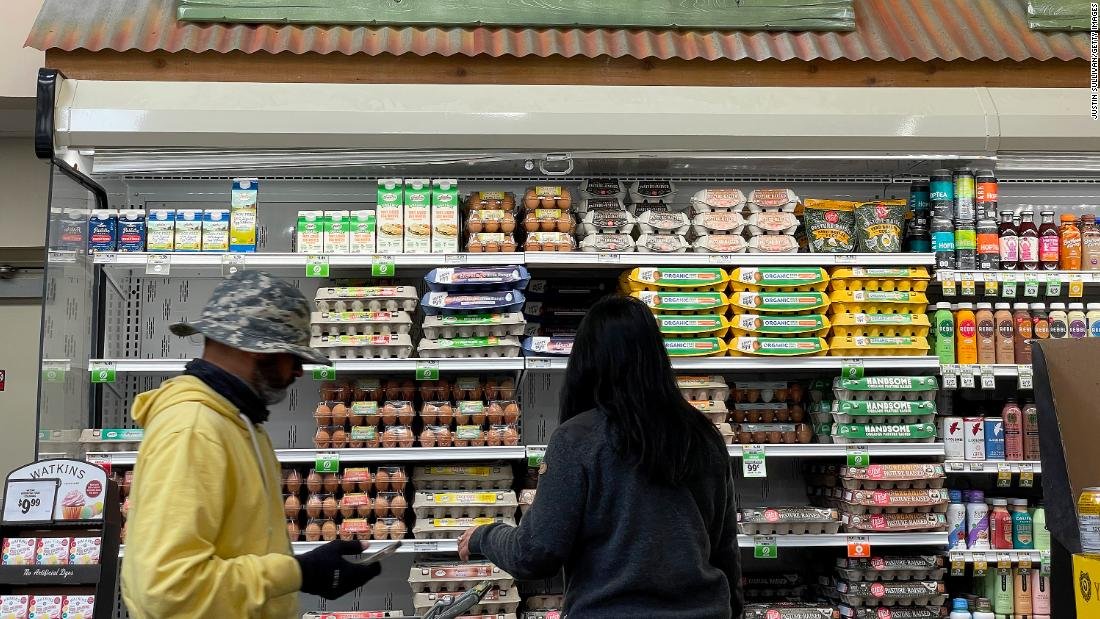
Sharp Decline in Retail Spending
Retail sales adjusted for seasonality but not inflation fell by 1 percent in March from the prior month according to the Commerce Department report released on Friday. This drop exceeded the 0.4 percent decline anticipated by Refinitiv and surpassed the revised 0.2 percent decline recorded in the previous month. Investors attribute part of this weakness to delayed tax returns and growing concerns over a slowing labor market.
The Commerce Department data highlights how consumers pulled back after the banking crisis fueled recession fears. Spending retreated notably at department stores and on durable goods such as appliances and furniture. This 1 percent monthly decline marks a clear signal of reduced consumer activity in the face of economic uncertainty.
Excluding gas station sales retail spending still retreated by 0.6 percent in March from February levels. Yet the year-over-year figure showed retail spending rising 2.9 percent overall. These contrasting numbers underscore the immediate monthly pullback against longer-term resilience in consumer outlays.
The report from Friday morning painted a picture of caution among households navigating multiple pressures. The steeper-than-expected drop reflects how quickly sentiment can shift when banking stability comes into question. Data points like these provide concrete evidence of the pullback without relying on speculation.
The Role of Tax Refunds and Benefits
The IRS issued 84 billion dollars in tax refunds this March which was about 25 billion dollars less than the amount issued in March of 2022 according to BofA analysts. This shortfall in refunds directly contributed to consumers pulling back on spending at department stores and on durable goods. Smaller tax returns played a central role in the observed decline.
Enhanced pandemic-era benefits provided through the Supplemental Nutrition Assistance Program expired in February and likely held back spending into March. Economists note that March is a really important month for refunds and some households expected amounts similar to last year. Aditya Bhave senior US economist at BofA Global Research highlighted this expectation mismatch.
Credit and debit card spending per household tracked by Bank of America researchers moderated in March to its slowest pace in more than two years. This moderation stemmed from smaller returns expired benefits and slowing wage growth combined. The Bank of America Institute report ties these factors explicitly to the spending slowdown.
These refund and benefit changes created a tangible reduction in available cash for many households. The 25 billion dollar shortfall compared to 2022 represents a significant shift in consumer liquidity. Such specifics from BofA analysts ground the explanation in measurable terms rather than broad assumptions.
Sector-Specific Impacts on Consumer Spending
Spending at general merchandise stores fell 3 percent in March from the prior month while spending at gas stations declined 5.5 percent during the same period. These sector drops illustrate where consumers chose to cut back most sharply amid the economic signals. General merchandise and fuel purchases bore the brunt of the restraint.
Department store weakness aligned with reduced outlays on durable goods such as appliances and furniture. The pullback here reflects households prioritizing essentials over larger purchases when refunds came in lower. Data from the Commerce Department captures these targeted reductions precisely.
Excluding gas station sales the overall retail spending retreat of 0.6 percent still showed meaningful contraction. This figure isolates the impact beyond fuel price volatility and points to broader caution. The 3 percent and 5.5 percent drops in specific categories provide clear benchmarks for the month.
These sector figures from the Friday report demonstrate how different areas of retail responded unevenly to the same pressures. General merchandise stores and gas stations together highlight the areas most sensitive to refund timing and recession concerns. The numbers leave little doubt about the localized effects.
Wage Growth and Labor Market Dynamics
Average hourly earnings grew 4.2 percent in March from a year earlier according to figures from the Bureau of Labor Statistics. This marked a slowdown from the prior month's annualized 4.6 percent increase and represented the smallest annual rise since June 2021. The Employment Cost Index has similarly shown that worker pay gains moderated this past year.
Credit and debit card spending moderation tracked by Bank of America aligned with this slowing wage growth. Households faced the combined effects of smaller refunds expired benefits and tempered earnings increases. The 4.2 percent wage figure provides a specific measure of the cooling momentum in compensation.
Despite the moderation in wage gains the labor market has not yet signaled outright weakness in employment levels. The Bureau of Labor Statistics data on earnings growth offers one lens while other indicators show continued job additions. This contrast keeps the overall picture from turning uniformly negative.
The smallest annual wage rise since June 2021 underscores how pay momentum has eased over recent quarters. BofA researchers linked this directly to the slowest card spending pace in more than two years. These interconnected data points from official sources paint a consistent narrative of gradual deceleration.
Job Creation and Market Cooling Signals
Employers added 236000 jobs in March according to the Bureau of Labor Statistics. This gain stands as robust by historical standards yet falls below the average monthly pace of job growth seen in the prior six months. The labor market has lost some momentum recently while remaining solid overall.
The latest monthly Job Openings and Labor Turnover Survey showed available jobs remained elevated in February but were down more than 17 percent from the peak of 12 million in March 2022. Revised data also indicated that weekly claims for US unemployment benefits were higher than previously reported. These JOLTS figures point to a gradual easing in labor demand.
Michelle Meyer North America chief economist at Mastercard Economics Institute noted that the big picture remains favorable for the consumer when considering income growth balance sheet strength and labor market health. The 236000 job addition supports this view even as other metrics show cooling. The 17 percent drop from the 12 million peak offers a concrete comparison point.
These employment numbers from the Bureau of Labor Statistics and JOLTS report together illustrate a market that is still adding positions but at a reduced clip. The gap below the prior six-month average signals the loss of momentum without crossing into contraction. Such details keep the assessment grounded in reported outcomes.
Consumer Sentiment Amid Banking Turbulence
Consumer sentiment tracked by the University of Michigan worsened slightly in March during the bank failures yet had already shown signs of deteriorating before then. The latest reading released Friday morning showed sentiment held steady in April despite the banking crisis. Effects of last month's turbulence in the banking industry have been limited so far for consumers.
Joanne Hsu director of the surveys of consumers at the University of Michigan stated that on net consumers did not perceive material changes in the economic environment in April. Consumers are expecting a downturn and are not feeling as dismal as they were last summer but are waiting for the other shoe to drop. This assessment came in her Bloomberg TV interview Friday morning.
The University of Michigan data captures how sentiment responded to the collapses of Silicon Valley Bank and Signature Bank. The slight worsening in March followed by stability in April indicates resilience in household views. The pre-existing deterioration before the failures adds important context to the timeline.
These sentiment readings provide a direct window into consumer perceptions separate from spending data. The steady April figure despite ongoing banking concerns suggests limited immediate fallout. Hsu's comments emphasize the measured expectations rather than outright pessimism among respondents.
Rising Inflation Expectations
Higher gas prices helped push up year-ahead inflation expectations by a full percentage point rising from 3.6 percent in March to 4.6 percent in April according to the University of Michigan survey. This increase occurred even as sentiment held steady overall. The one-point jump reflects sensitivity to fuel costs in forward-looking views.
The Friday morning release of the consumer sentiment data tied this expectation shift explicitly to gas price movements. Consumers incorporated the higher costs into their outlook without altering their broader assessment of the economic environment. The 4.6 percent figure marks a notable uptick from the prior month.
This change in inflation expectations stands alongside the steady sentiment reading for April. The University of Michigan data shows households adjusting one specific forecast while maintaining overall stability. The full percentage point rise provides a precise measure of the shift.
Gas price influences on expectations highlight how external factors can move perceptions even when banking events do not. The 3.6 percent to 4.6 percent movement captures the scale of the adjustment in a single month. Such details from the survey add granularity to the consumer response narrative.
Broader Economic Outlook and Recession Risks
Economists at the Federal Reserve expect the US economy to head into a recession later in the year as the lagged effects of higher interest rates take a deeper hold. Fed economists had forecast subdued growth with risks of a recession prior to the collapses of Silicon Valley Bank and Signature Bank. The job market could cool further in the coming months according to these projections.
Michelle Meyer emphasized that income growth balance sheet health and labor market conditions still support the consumer in the big picture. The 236000 jobs added in March align with this favorable baseline even as other signals point to moderation. The outlook incorporates both the solid current state and the anticipated slowdown.
Aditya Bhave from BofA Global Research connected the March spending patterns to the combination of refund timing and benefit expirations. These elements together with wage trends shape the near-term consumer trajectory. The overall data set from multiple agencies supports a cautious but not dire assessment.
The combination of retail sales figures wage growth job additions and sentiment readings forms a multifaceted view of the economy. Recession risks remain on the horizon per Fed expectations while current indicators show continued activity. This balance reflects the facts reported across government and private sources without overstating immediate impacts.
By Jessica Ali, Staff WriterThis article was produced with AI-assisted research and editorial support. Reporting is based on sources cited in the article.
What's Your Reaction?
 Like
0
Like
0
 Dislike
0
Dislike
0
 Love
0
Love
0
 Funny
0
Funny
0
 Wow
0
Wow
0
 Sad
0
Sad
0
 Angry
0
Angry
0

Editor-in-Chief at Global1.News. Atlanta-based journalist who cuts through the BS and tells it like it is. Lead anchor, host, and the voice you hear when the spin stops and the truth starts.















Comments (0)