
Venezuela Power Crisis: Blackouts Devastate Health Nationwide
**Keywords:** Venezuela electricity crisis, Guri Dam blackouts, Venezuela hospital power cuts, Caracas apagones, Venezuela public health emergency, dialysis shortages Venezuela, mental health Venezuela blackouts, Caroní River mining, CORPOELEC failures, Latin America energy crisis In the sweltering barrios of Caracas, families like the Rodríguez clan huddle by candlelight as an
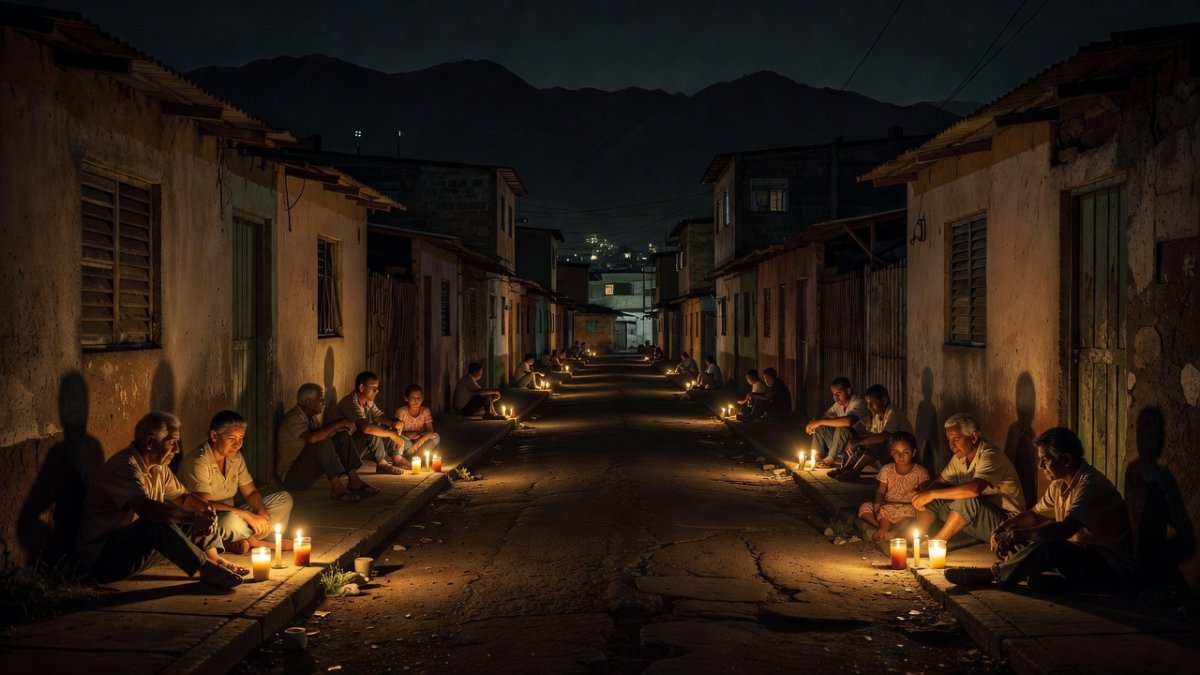
In the sweltering barrios of Caracas, families like the Rodríguez clan huddle by candlelight as another 10-hour blackout stretches into the night, their elderly grandmother gasping for breath without her oxygen machine. This is not an occasional inconvenience but a daily reality for millions across Venezuela, where the power grid has collapsed under years of neglect and mismanagement.
Venezuela's Endless Blackouts Trigger Catastrophic Health Emergency as Grid Operates at 36% Capacity
Caracas, Venezuela — June 13, 2026 — Venezuela's chronic electricity crisis has escalated into a full-blown public health catastrophe, with daily blackouts lasting 8 to 12 hours or more across most states while the national grid limps along at only 36% of its installed capacity. The human cost mounts daily as hospitals lose power mid-surgery, dialysis patients receive abbreviated treatments, and entire communities go weeks without running water. What began as sporadic outages has become a systemic failure that threatens the very survival of the population, exposing deep fractures in governance and infrastructure that reverberate far beyond the country's borders.
The Blackout Reality — lives of millions
Venezuelans endure scheduled blackouts of eight to twelve hours or longer every single day in states including Carabobo, Zulia, Lara, Táchira, Mérida, and Guárico. These prolonged cuts leave neighborhoods in darkness, forcing residents to rely on dangerous candles and improvised generators that frequently cause fires and carbon monoxide poisoning. The national electricity system possesses an installed capacity of 36 gigawatts yet delivers only around 13 gigawatts, representing a mere 36 percent availability. Peak demand hovers between 15 and 17 gigawatts, creating a permanent shortfall that CORPOELEC refuses to acknowledge publicly as rationing. Families plan their entire lives around unpredictable outages, with children unable to study after sunset and small businesses shuttering permanently. In rural areas the situation grows even more dire as communities remain cut off for days. The human endurance required to survive these conditions reveals a population pushed to its limits by infrastructure that has been allowed to decay through chronic underinvestment and alleged diversion of funds. Millions wake each morning uncertain whether they will have power for basic needs like refrigeration of medicines or charging life-saving devices. This daily grind erodes any sense of normalcy and accelerates migration as citizens flee the darkness that has swallowed their homeland.
When Hospitals Go Dark — the health emergency
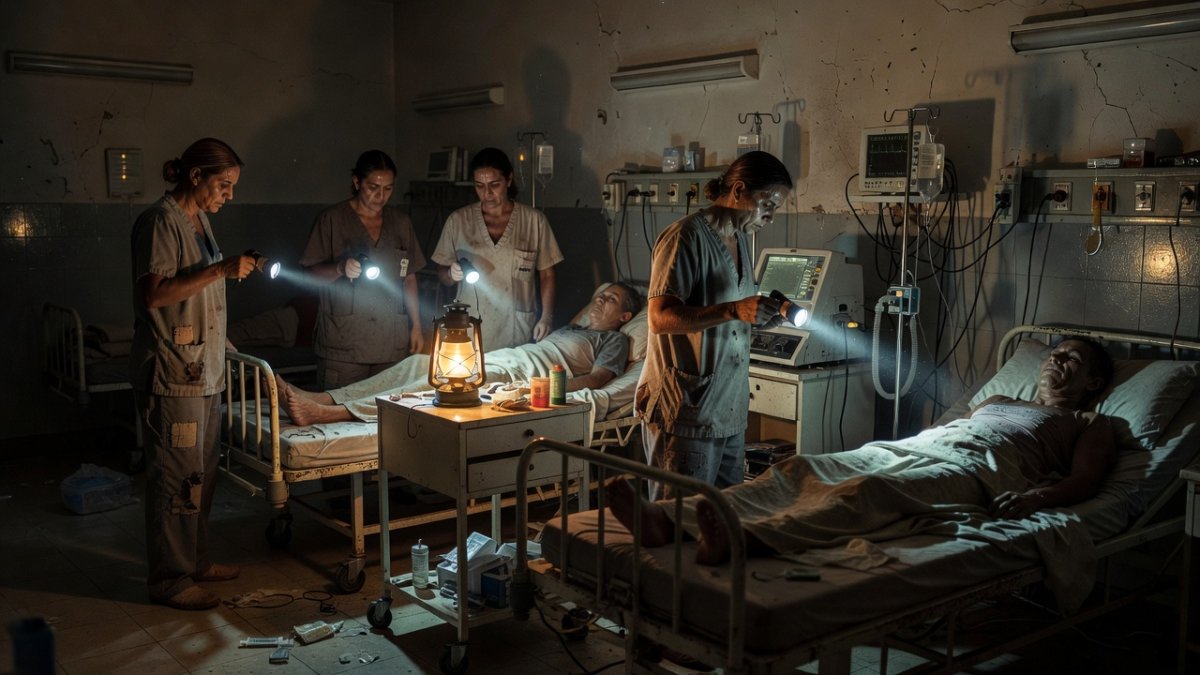
Hospitals across Caracas such as Universitario, Vargas, and El Llanito routinely experience power failures during critical procedures, placing patients under the knife at immediate risk when backup systems fail or fuel runs out. Surgeons have reported completing operations by flashlight while nurses manually ventilate patients whose machines have gone silent. Over 100,000 surgeries have reportedly been postponed nationwide due to these unreliable conditions, creating a backlog that will take years to clear even if power stabilizes. Dialysis units in Lara, Miranda, Guárico, Cojedes, and Zulia struggle to function, forcing patients to endure shortened sessions that leave toxins in their bodies and dramatically increase mortality risks. Cancer patients miss chemotherapy appointments when refrigeration fails and medications spoil. The absence of consistent electricity transforms once-functional medical centers into places of despair where preventable deaths occur daily. Medical staff work exhausting shifts without proper lighting or equipment sterilization, raising infection rates to alarming levels. Families must choose between staying with loved ones in darkened wards or searching for scarce fuel for generators. This health emergency extends beyond urban centers into smaller clinics that lack even basic backup power. The collapse of hospital services underscores how electricity is not a luxury but the foundation of modern medicine, and its absence in Venezuela has produced a humanitarian disaster measured in lost lives and shattered families.
A Water System in Collapse — linked crisis
The electricity crisis directly fuels a parallel water catastrophe, with many regions enduring 20 to 40 days without tap water as pumping stations sit idle during blackouts. In El Pao, Carabobo, residents marked more than 20 consecutive days without running water in June 2026, forcing them to walk long distances for contaminated sources that spread waterborne diseases. Without power, treatment plants cannot operate, and distribution networks collapse, leaving entire cities dependent on irregular tanker deliveries that never reach the poorest neighborhoods. Hospitals already strained by power cuts face additional crises when they cannot sterilize instruments or maintain hygiene standards due to water shortages. Children suffer disproportionately from diarrhea and skin infections caused by reliance on unsafe alternatives. The interconnection between electricity and water systems means that fixing one without the other remains impossible, yet authorities continue to treat them as separate problems. Communities have organized bucket brigades and rainwater collection, but these stopgap measures cannot sustain populations long-term. The resulting sanitation breakdown accelerates outbreaks of cholera and other diseases that Venezuela had previously controlled. This cascading failure demonstrates how the electricity deficit has poisoned every aspect of daily life, turning basic survival into a constant battle against thirst and illness in a country once rich in natural resources.
The Guri Dam and a Grid in Ruins — why it happens
The Guri Dam, officially the Central Hidroeléctrica Simón Bolívar, supplies between 60 and 70 percent of Venezuela's electricity yet operates with only 14 of its 20 turbines functional due to years of neglected maintenance. Illegal gold mining in the Caroní River basin has devastated the watershed that feeds the reservoir, reducing water levels and further compromising generation capacity. Argentina's IMPSA has entered negotiations to repair turbines while Siemens and GE hold existing contracts that have produced limited results amid payment disputes and logistical chaos. A 2025 nationwide blackout was officially blamed on sabotage at Guri, though independent analysts point to systemic failure rooted in chronic underinvestment and the alleged theft of approximately 25 billion dollars from the electricity sector. CORPOELEC maintains silence on rationing schedules, leaving citizens to guess when darkness will strike next. The grid's installed 36 gigawatts of capacity versus 13 gigawatts available reveals not a temporary glitch but a structural collapse engineered by corruption and incompetence. Foreign companies circle the ruins hoping for lucrative repair deals while ordinary Venezuelans pay the price in lost productivity and health. This infrastructure decay did not happen overnight but through deliberate choices that prioritized political control over technical competence, leaving Latin America's once-wealthiest nation in energy poverty.
The Mental Health Toll — the unseen crisis
Beyond physical suffering, Venezuela faces an escalating mental health emergency that psychologists have termed the "apagón mental," or mental blackout. The Federación de Psicólogos de Venezuela reports widespread anxiety, insomnia, hypervigilance, and emotional exhaustion as citizens live in perpetual uncertainty about when power will return. Families experience constant stress from planning around blackouts, with parents unable to protect children from the psychological toll of darkness and heat. The relentless cycle of hope and disappointment when promised restorations fail deepens depression and erodes social cohesion. Health workers themselves suffer burnout at elevated rates, compounding the shortage of mental health professionals. Communities report rising domestic tensions and substance abuse as coping mechanisms in the absence of reliable electricity for entertainment or communication. The Federación de Psicólogos de Venezuela warns that this collective trauma will persist for generations unless the underlying electricity crisis is resolved. Children growing up in these conditions internalize instability as normal, affecting their development and future productivity. The mental health dimension remains largely invisible to international observers focused on physical infrastructure, yet it represents perhaps the most profound long-term damage inflicted by the blackouts. Venezuela's population carries invisible wounds that no turbine repair can fully heal without addressing the daily terror of darkness.
What This Means for Latin America — regional context
Venezuela's electricity collapse serves as a cautionary tale for the entire Latin American region, where aging infrastructure and political interference threaten energy security in multiple nations. Argentina's IMPSA involvement highlights how regional companies now seek opportunities in Venezuela's ruins, yet the same governance failures that caused the crisis risk undermining any repair efforts. Neighboring countries watch with concern as Venezuelan migrants carry stories of darkened hospitals and poisoned water supplies, straining social services across borders. The involvement of Siemens and GE underscores global interest in Venezuela's resources, but without transparency these contracts may repeat the pattern of funds disappearing. Latin America's shared electrical interconnections mean that instability in one nation can affect neighbors during peak demand periods. The Guri Dam's decline due to illegal mining also raises environmental alarms about watershed protection that transcend national boundaries. Regional organizations have offered technical assistance, yet political divisions prevent meaningful cooperation. Venezuela's experience demonstrates that electricity is a regional public good whose failure produces humanitarian spillovers far beyond one country's borders. Other nations must learn from this tragedy by investing in maintenance and anti-corruption measures before their own grids reach similar breaking points.
The Bottom Line — what comes next
Without fundamental reforms that address corruption, restore technical expertise, and protect watersheds like the Caroní basin, Venezuela's electricity crisis will continue claiming lives through darkened hospitals and contaminated water. CORPOELEC's refusal to acknowledge rationing publicly prevents any coordinated national response and leaves citizens in dangerous uncertainty. The 2025 blackout attributed to sabotage masked deeper systemic rot that foreign contractors alone cannot fix. Regional partners must pressure for accountability rather than simply pursuing repair contracts that enrich elites while the population suffers. Venezuela's people have demonstrated remarkable resilience, yet resilience has limits when basic services remain absent for years. The path forward requires acknowledging the scale of theft from the electricity sector and prioritizing transparent investment over political narratives. Until then, the daily reality of eight-to-twelve-hour blackouts will persist, exacting an ever-growing toll on public health that no amount of denial can conceal. The international community cannot afford to look away from a crisis that threatens to destabilize an entire region already grappling with energy transitions and climate pressures.
By Elena Vasquez, Staff WriterThis article was produced with AI-assisted research and editorial support. Reporting is based on sources cited in the article.
What's Your Reaction?
 Like
0
Like
0
 Dislike
0
Dislike
0
 Love
0
Love
0
 Funny
0
Funny
0
 Wow
0
Wow
0
 Sad
0
Sad
0
 Angry
0
Angry
0

Latin America Correspondent at Global1.News. Based in Mexico City, covering politics, economics, energy, and culture across the region. Brings an on-the-ground perspective to stories spanning from the Rio Grande to Patagonia.













Comments (0)