
Benjamin Medrano Killed: Mexico's First Openly Gay Mayor
The Shooting That Shook Guadalajara Benjamin Medrano Quezada, 59, was shot and killed on July 7, 2026, while leaving a paleteria in the Santa Elena de la Cruz neighborhood of Guadalajara. Witnesses described a sudden attack that left the former mayor and congressman lifeless on the street, sending shockwaves through families who knew him as a ranchera singer turned public servant. Local authorities from the Jalisco Fiscalía responded quickly, yet details remain limited as inv
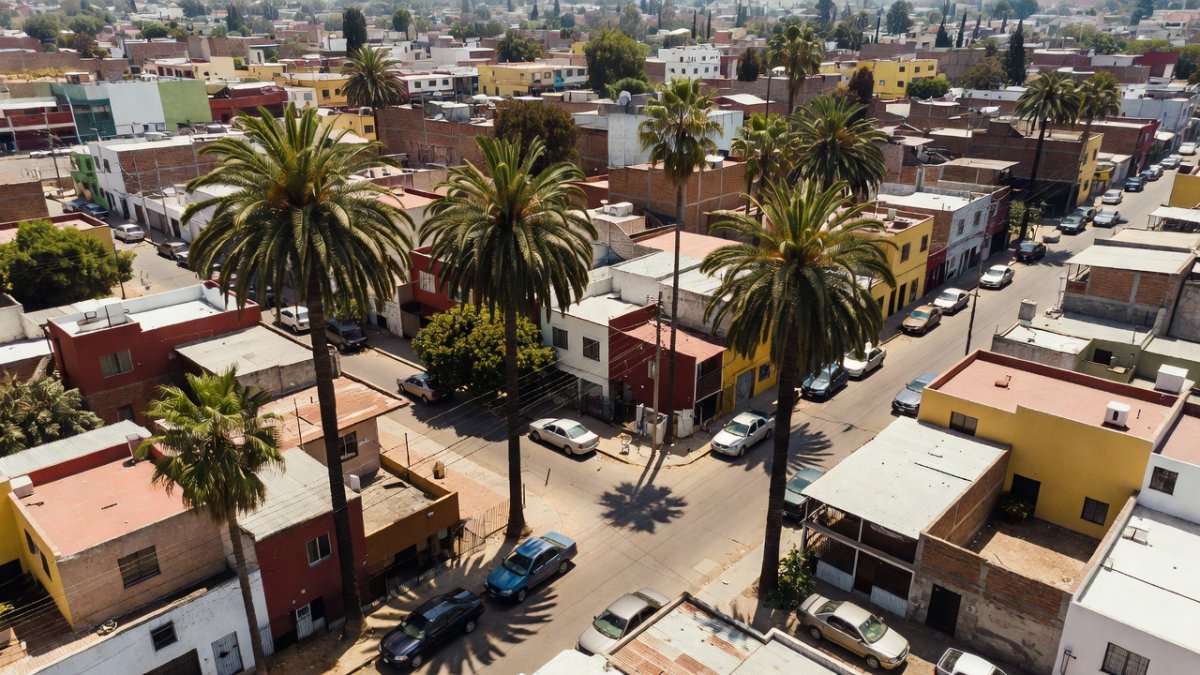
The Shooting That Shook Guadalajara
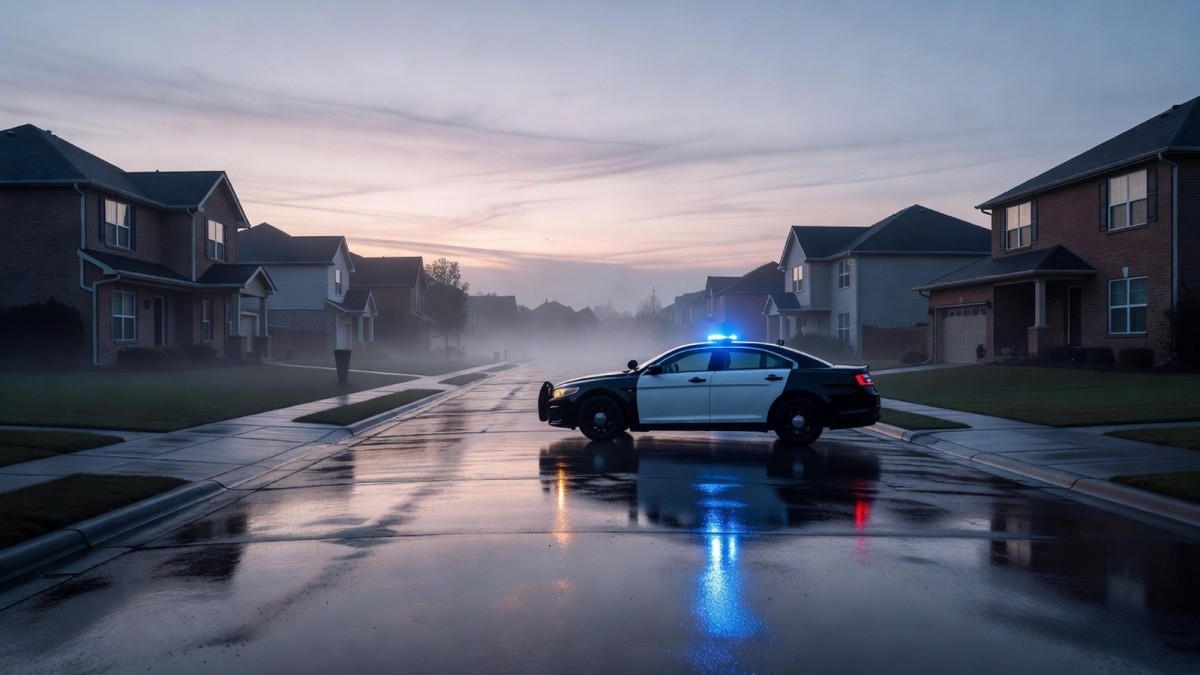
Benjamin Medrano Quezada, 59, was shot and killed on July 7, 2026, while leaving a paleteria in the Santa Elena de la Cruz neighborhood of Guadalajara. Witnesses described a sudden attack that left the former mayor and congressman lifeless on the street, sending shockwaves through families who knew him as a ranchera singer turned public servant.
Local authorities from the Jalisco Fiscalía responded quickly, yet details remain limited as investigations continue. The incident occurred in a city that has long served as a hub for families seeking opportunity, now forced to confront yet another loss tied to broader patterns of insecurity.
Medrano’s family has spoken of their grief, emphasizing his roots in Zacatecas and the pride many felt when he became Mexico’s first openly gay elected mayor in Fresnillo. Neighbors in Guadalajara recall his warm presence during visits, underscoring how personal this tragedy feels across state lines.
A Pioneer With a Contradictory Record
Medrano made history in 2013 when voters in Fresnillo, Zacatecas, elected him mayor as an openly gay man, a milestone celebrated by LGBTQ+ communities throughout the country. He had previously served in the Zacatecas state congress from 2010 to 2013 and later as a federal deputy, always under the PRI banner.
Despite this breakthrough, his positions drew criticism from activists who noted his opposition to same-sex marriage and reluctance to participate in Pride events. Supporters, however, highlight his willingness to live openly in a conservative region where such visibility carried real risks for families and individuals alike.
Before entering politics, Medrano built a following as a ranchera singer, connecting with rural audiences through songs that spoke to everyday struggles. This background helped him relate to Fresnillo residents facing economic pressures in a city of roughly 240,000 people situated in a key drug-trafficking corridor.
At the time of his death, Medrano faced a pending arrest warrant tied to an alleged 60 million peso fraud case. His family has described the charges as politically motivated, a claim that resonates with many Mexicans who view the justice system through the lens of partisan battles between PRI, Morena, and other parties.
Fresnillo’s Daily Reality of Risk
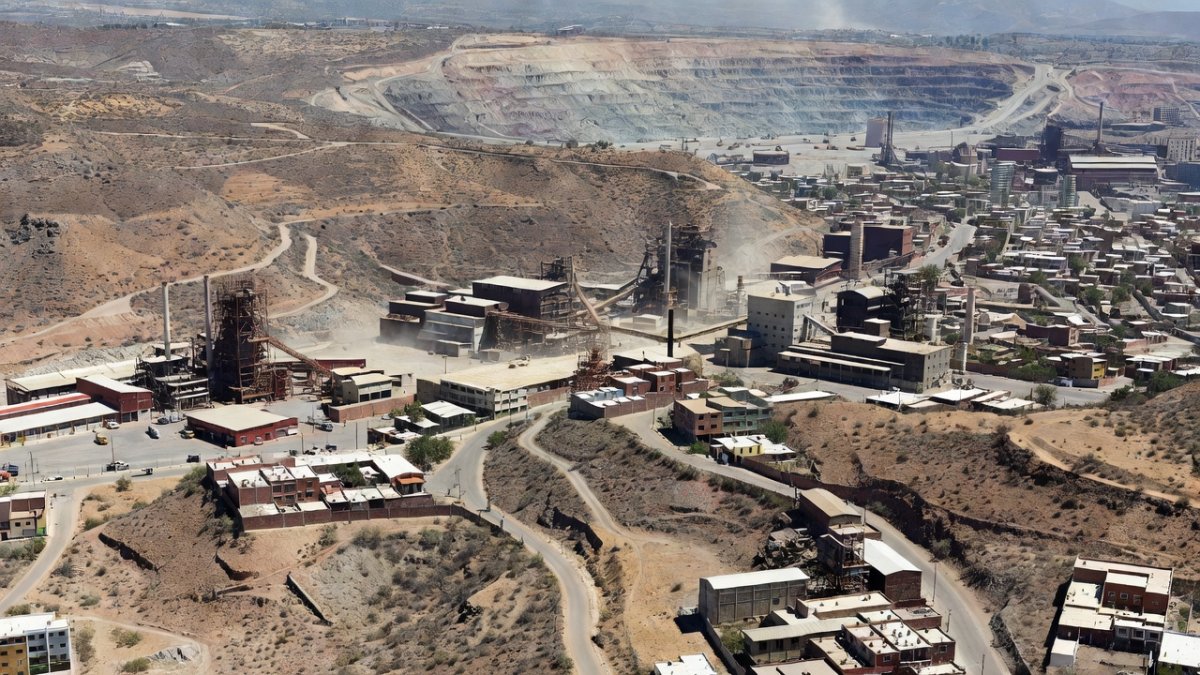
Fresnillo has long balanced its identity as a hardworking mining and agricultural center with the shadow of organized crime. Families there raise children while navigating checkpoints and rumors, hoping for stability that state governments and the federal administration have struggled to deliver.
Medrano’s time as mayor occurred amid these tensions, where local leaders often balance community needs against powerful external forces. Residents remember his efforts to bring visibility to the town, even as violence claimed lives and forced many to weigh staying or migrating.
For everyday people, each new incident reinforces the sense that safety remains fragile.
Mexico's Wider Crisis of Disappearances and Violence
Medrano's killing occurs against a backdrop of more than 135,000 disappeared persons nationwide, a figure that continues to grow and devastate families from Tijuana to Tapachula. Communities organize searches and demand answers from the Presidencia and Congreso de la Union, yet progress feels painfully slow.
Journalists and political figures face particular dangers, with Mexico consistently ranking among the most hazardous countries for those who speak out. The Sheinbaum administration has pledged renewed focus on these issues, yet local leaders in states like Zacatecas and Jalisco report that cartel influence persists in daily life.
Political parties across the spectrum, including Morena, PAN, PRI, PRD, and Movimiento Ciudadano, have issued statements condemning the attack. Many note that such violence undermines democratic participation and leaves ordinary citizens questioning whether public service is worth the personal cost.
Reactions From Mexican Communities
LGBTQ+ organizations in Mexico City and Guadalajara have expressed sorrow while acknowledging Medrano’s mixed record on marriage equality. Younger activists see his election as a door that, once opened, cannot be closed, even when the pioneer himself held differing views on certain rights.
In Fresnillo, residents gathered at the main plaza to share stories of Medrano’s campaigns and his love for ranchera music. Elders spoke of a man who understood the hardships of rural life, while younger voices wondered what his death signals for future openly gay candidates in conservative regions.
PRI leaders have called for a thorough investigation, emphasizing Medrano’s contributions to the party and to Zacatecas. Across social media, Mexicans from many backgrounds have shared memories, highlighting how one life can touch both national milestones and neighborhood realities.
What This Means for LGBTQ+ Mexicans Today
The assassination raises difficult questions about safety for openly gay public figures in a country where visibility can still invite danger. Families in smaller towns watch events like this and weigh the personal risks against the desire to see more diverse leaders in office.
Advocates hope the tragedy will prompt stronger protections and honest conversations within parties about supporting LGBTQ+ members beyond symbolic gestures. Community centers in Guadalajara and beyond are already planning vigils that blend mourning with calls for justice and continued progress.
Ultimately, Medrano’s story reflects the complicated path Mexico walks toward inclusion. His death reminds us that every step forward carries real human costs, yet the warmth of communities determined to honor his memory suggests resilience that no single act of violence can extinguish.
Tags: Benjamin Medrano Quezada, Guadalajara shooting, Mexico violence, LGBTQ mayor, Fresnillo Zacatecas, PRI politician, cartel crime, disappeared persons
By Rosa Martinez, Staff Writer
This article was produced with AI-assisted research and editorial support. Reporting is based on sources cited in the article.
What's Your Reaction?
 Like
0
Like
0
 Dislike
0
Dislike
0
 Love
0
Love
0
 Funny
0
Funny
0
 Wow
0
Wow
0
 Sad
0
Sad
0
 Angry
0
Angry
0
Latin America/Andes Correspondent at Global1.News. Based in Bogota, covering politics, environment, energy, and social movements across the Andean region. Passionate about environmental journalism and communities protecting their land.









Comments (0)