
New scam flooding phones: Fake Electric Company refund links
New scam flooding phones: Fake Electric Company refund links The Sudden Wave of Phishing Messages In recent hours, a wave of text messages and messaging app alerts has reached mobile phones throughout Israel. The messages claim that recipients qualify for a cash refund from the Israel Electric Corporation. They direct users to click an external link to claim the funds. This campaign has spread quickly across major population centers including Tel Aviv, Jerusalem, and Haifa.
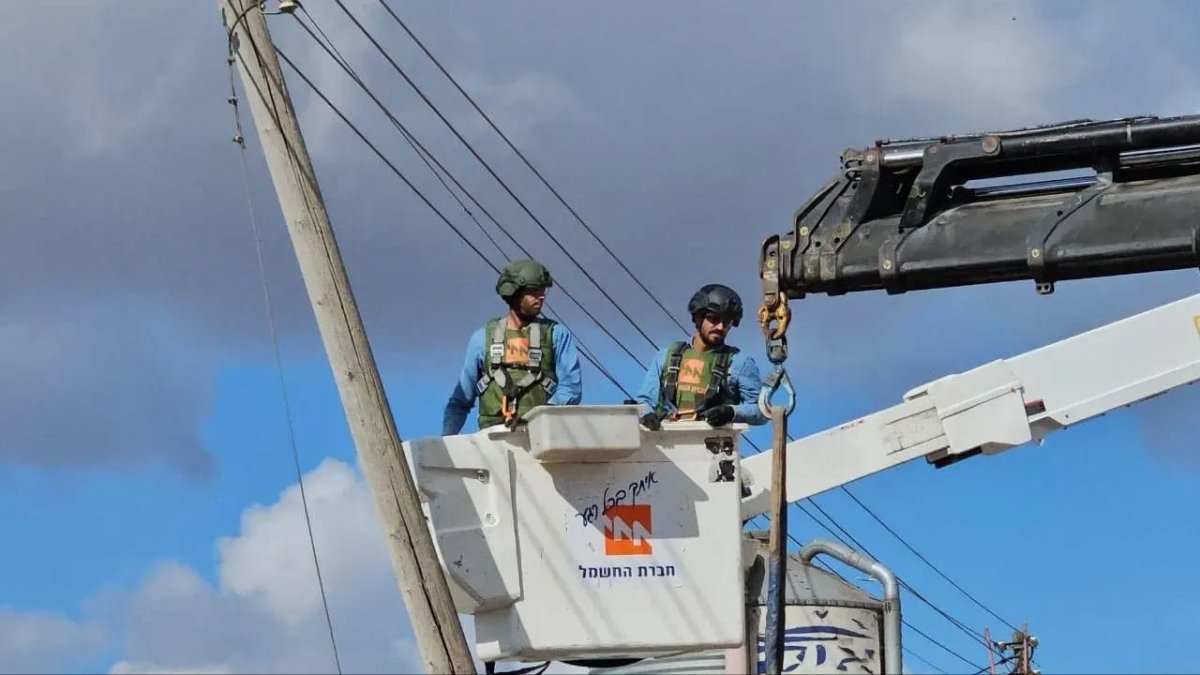
The Sudden Wave of Phishing Messages
In recent hours, a wave of text messages and messaging app alerts has reached mobile phones throughout Israel. The messages claim that recipients qualify for a cash refund from the Israel Electric Corporation. They direct users to click an external link to claim the funds.
This campaign has spread quickly across major population centers including Tel Aviv, Jerusalem, and Haifa. Recipients see what appears to be an official communication from a trusted national utility that serves more than 2.6 million households and businesses.
Mechanics of the Social Engineering Attack
The messages employ classic social engineering tactics. They create a sense of immediate financial benefit to prompt quick action. Once the link is clicked, users land on a counterfeit website built to harvest credit card details and personal information.
Such techniques remain effective because they exploit everyday trust in large public institutions. The Israel Electric Corporation operates nationwide infrastructure, making its name familiar to nearly every household and business in the country.
The fake sites typically deploy credential-harvesting forms that mirror the Israel Electric Corporation's branding, capturing fields for credit card numbers, expiration dates, CVV codes, and national ID numbers through hidden JavaScript that transmits data in real time to servers hosted on compromised infrastructure abroad. Attackers often register domains with subtle misspellings such as iec-refund-il.com or electric-corp-refunds.co, which evade basic filters while mimicking the official iec.co.il domain.
Red flags in the SMS and WhatsApp messages include urgent phrasing like "claim your 450 NIS refund today" paired with shortened links that mask the true destination, requests for immediate action before the offer expires, and sender numbers that appear as random Israeli mobile prefixes rather than the verified corporate channels used by the utility. Security researchers note that these messages frequently arrive during evening hours when recipients are more likely to act without verifying through official apps.
Official Statement from the Israel Electric Corporation
The Israel Electric Corporation has issued an urgent public warning. Its statement reads: "In recent hours, a message impersonating the Electric Company offering a financial refund via an external link has been circulating. This is a fraud (phishing) attempt. Do not click on the link and do not provide personal or credit card details. The Electric Company is addressing the matter with the relevant authorities."
Company representatives continue to monitor the situation and coordinate with law enforcement and regulatory bodies to limit further spread.
Israel's Persistent Cybersecurity Challenges
Phishing campaigns that impersonate well-known Israeli entities form a recurring element of the national threat landscape. The Israel Cyber Directorate regularly issues alerts about attempts that leverage familiar company names to reach citizens in every region.
Israel's advanced digital economy, centered in hubs such as Tel Aviv and Herzliya, increases both the volume of online transactions and the potential reward for attackers. This environment demands constant vigilance from both individuals and institutions.
The Israel Cyber Directorate recorded over 18,000 phishing incidents in 2023, a 27 percent rise from the previous year, with utility and government impersonations accounting for nearly one-third of reports. These figures align with global trends where phishing comprises 36 percent of all cyberattacks, yet Israel's high smartphone penetration and widespread use of apps like WhatsApp amplify exposure compared to less digitally connected markets.
Tel Aviv's status as a global cybersecurity hub, home to firms such as Check Point and Palo Alto Networks, has not insulated ordinary citizens from these threats, as attackers increasingly target consumer-facing services rather than enterprise networks. The Directorate's annual reports highlight that Hebrew-language campaigns often achieve higher click rates than generic international efforts due to localized trust signals.
Practical Steps for Israeli Consumers to Stay Safe
Consumers can reduce risk by verifying any unexpected financial offer directly through official channels. The Israel Electric Corporation does not request credit card information or personal data via unsolicited links sent by text or messaging apps.
Users should avoid clicking links in messages that promise refunds or urgent payments. Instead, they can visit the company's verified website or contact customer service through published phone numbers to confirm any claim.
Involvement of the Israel Cyber Directorate
The Israel Cyber Directorate plays a central role in tracking and responding to phishing operations that target the public. It works alongside other government bodies to identify malicious domains and issue timely guidance to citizens.
Coordination between the Directorate, the Ministry of Communications, and major service providers helps limit the reach of campaigns that exploit public utilities such as the Israel Electric Corporation.
Patterns of Similar Frauds in Recent Times
Campaigns that impersonate established Israeli institutions have appeared repeatedly in recent years. Attackers frequently adopt the names of banks, government agencies, and utilities to increase credibility and response rates.
These efforts reflect a broader pattern in which criminals adapt social engineering methods to local trust structures, making awareness campaigns by official bodies an ongoing necessity.
Similar operations have targeted Bank Leumi and Bank Hapoalim customers with fake loan approval links, while the National Insurance Institute has been impersonated in campaigns promising retroactive child allowance payments. During the COVID-19 period, fraudulent messages mimicking the Ministry of Health directed users to bogus vaccine registration portals that harvested personal health data.
More recently, attackers have posed as the Israel Tax Authority to solicit "overpaid tax refunds," using domains that closely resemble official government portals. These incidents demonstrate how threat actors monitor public discourse around economic relief measures to time their campaigns for maximum impact.
The Financial Toll on Households Across Israel
Successful phishing operations can impose direct costs on individual households through unauthorized charges and identity misuse. When scaled across millions of customers served by the Israel Electric Corporation, even modest success rates create measurable strain on consumers and the wider economy.
Israeli businesses and residents already navigate a complex digital environment; repeated fraud attempts erode confidence in online services that support daily commerce and innovation activity.
Average losses per successful phishing incident in Israel reached approximately 2,800 NIS in 2023 according to Bank of Israel data, with cumulative consumer fraud exceeding 180 million NIS annually. Major institutions including Bank Hapoalim and Mizrahi Tefahot have reported spikes in disputed transactions linked to utility impersonation schemes, prompting enhanced monitoring of high-risk merchant categories.
Beyond immediate financial hits, victims often face weeks of administrative burden restoring credit ratings and replacing compromised cards, costs that disproportionately affect middle-income households in cities like Beersheba and Netanya where digital banking adoption is high but cybersecurity awareness lags behind central regions.
Immediate Actions if Exposed to the Scam
Anyone who has clicked a suspicious link or entered information should monitor bank and credit card statements closely. Contacting the financial institution immediately allows for the freezing of affected accounts and the initiation of fraud investigations.
Reporting the incident to the Israel Cyber Directorate and local police helps authorities trace the campaign and protect others. Prompt action limits potential damage even after initial exposure.
Strengthening Resilience in the Digital Age
This latest campaign underscores the importance of continued public education and technical safeguards within Israel's cybersecurity ecosystem. Collaboration between utilities, regulators, and the tech sector supports the development of tools that help citizens distinguish legitimate communications from fraudulent ones.
As digital services expand across the country, maintaining trust in institutions such as the Israel Electric Corporation remains essential for both everyday life and the continued growth of the national innovation economy.
By Hannah Berg, Staff WriterThis article was produced with AI-assisted research and editorial support. Reporting is based on sources cited in the article.
What's Your Reaction?
 Like
0
Like
0
 Dislike
0
Dislike
0
 Love
0
Love
0
 Funny
0
Funny
0
 Wow
0
Wow
0
 Sad
0
Sad
0
 Angry
0
Angry
0

Israel Correspondent at Global1.News. Based in Tel Aviv, covering Israeli politics, security, technology, and society. Provides balanced, deeply-sourced reporting on one of the most closely-watched regions in the world.













Comments (0)