
NOAA Confirms Strong El Niño: Amazon Drought & Fire Risks
NOAA Confirms Strong El Nino for the Pacific The US National Oceanic and Atmospheric Administration confirmed this week that El Nino conditions are now present across the tropical Pacific, with sea surface temperatures rising more than half a degree above the threshold that defines this climate pattern. For Latin America, a region still recovering from the impacts of a record-w
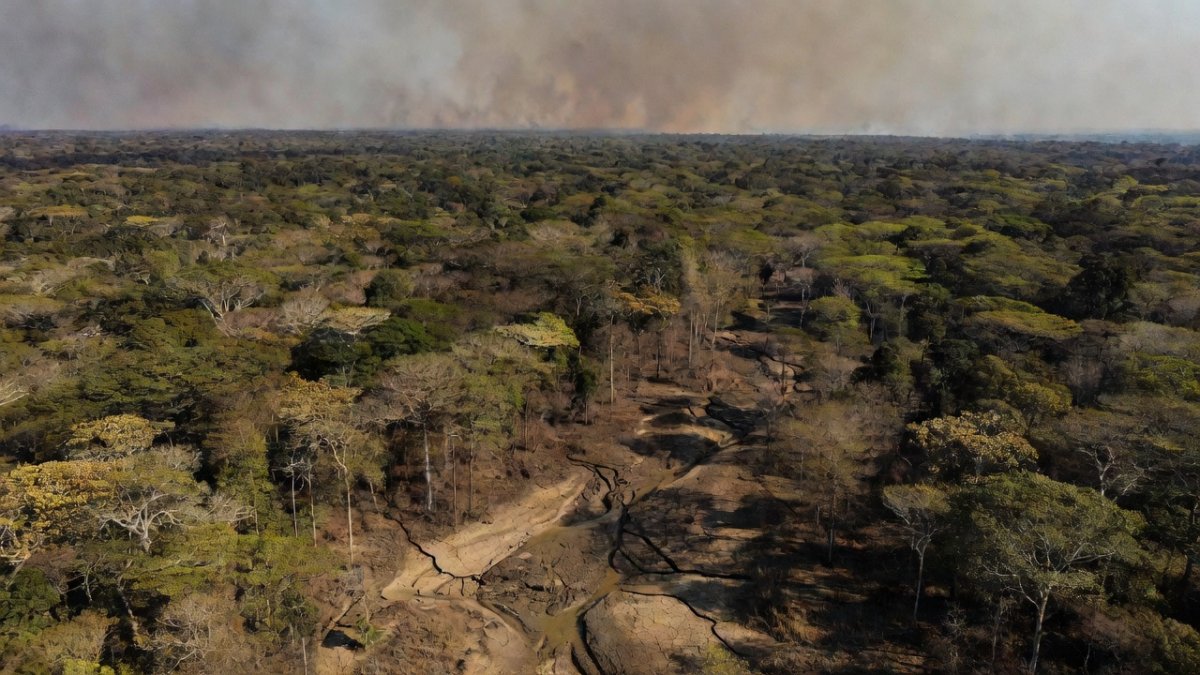
NOAA Confirms Strong El Nino for the Pacific
The US National Oceanic and Atmospheric Administration confirmed this week that El Nino conditions are now present across the tropical Pacific, with sea surface temperatures rising more than half a degree above the threshold that defines this climate pattern. For Latin America, a region still recovering from the impacts of a record-warm 2024 and the third-warmest year on record in 2025, this announcement carries serious implications that extend from the flood-prone coastlines of northern Peru to the drought-vulnerable expanses of the Brazilian Amazon.
According to NOAA's June outlook, there is a 63 percent chance of a very strong El Nino developing during the November-to-January period, one that would rank among the largest events in the historical record dating back to 1950. The three strongest El Nino events since then were recorded in 1982-83, 1997-98 and 2015-16 - each of which brought devastating consequences across Latin America.
Prof Adam Scaife, head of monthly to decadal prediction at the UK Met Office, has warned that this El Nino is riding on top of substantial global warming, meaning actual temperatures in affected regions could be unprecedented. A very strong El Nino typically lifts global air temperatures by around 0.2 degrees Celsius, and with the planet already experiencing its warmest year on record in 2024 and the third-warmest in 2025, the combined effect could push regional temperatures into uncharted territory.
Amazon Faces Heightened Drought and Fire Risks
Across the Brazilian Amazon, communities in Amazonas, Para, Acre and Rondonia are bracing for the drier conditions that El Nino historically brings to the region. River levels along the Solimoes and Negro could drop sharply, isolating remote settlements that depend on waterways for transport and fishing. IBAMA has already stepped up monitoring of fire hotspots, while ICMBio works to protect vulnerable areas inside conservation units where illegal clearing often accelerates during dry spells.
Manaus industrial zone relies on stable river flows for logistics, yet past strong El Nino events have disrupted barge traffic and raised costs for manufacturers. In Para state, port operations at Belem may face similar challenges if sediment buildup worsens. Local leaders note that Indigenous territories and quilombola communities have limited resources to combat the combined effects of reduced rainfall and rising temperatures.
Fire season typically intensifies from July onward, and agencies expect IBAMA teams to patrol more aggressively this year. Protected areas managed by ICMBio could see increased pressure from escaped agricultural burns. Without additional federal support, smallholder farmers along the Transamazon highway risk losing crops and livestock to both drought and uncontrolled flames.
Historical patterns from the 2015-16 event show how quickly the forest canopy dries, turning leaf litter into fuel. Current monitoring indicates that even moderate rainfall deficits can trigger widespread burning if enforcement lags. Riverine populations in Acre are already storing water and reinforcing homes against the possibility of months without steady precipitation.
Pantanal and Cerrado Brace for Extended Dry Spells
The Pantanal wetlands in Mato Grosso do Sul stand to lose critical moisture during a strong El Nino, threatening the cattle ranches that dominate the landscape. Fire season here often peaks between August and October, and past events have scorched vast areas of native vegetation. Biodiversity losses mount quickly when wetlands shrink, leaving jaguars, caimans and migratory birds with fewer refuges.
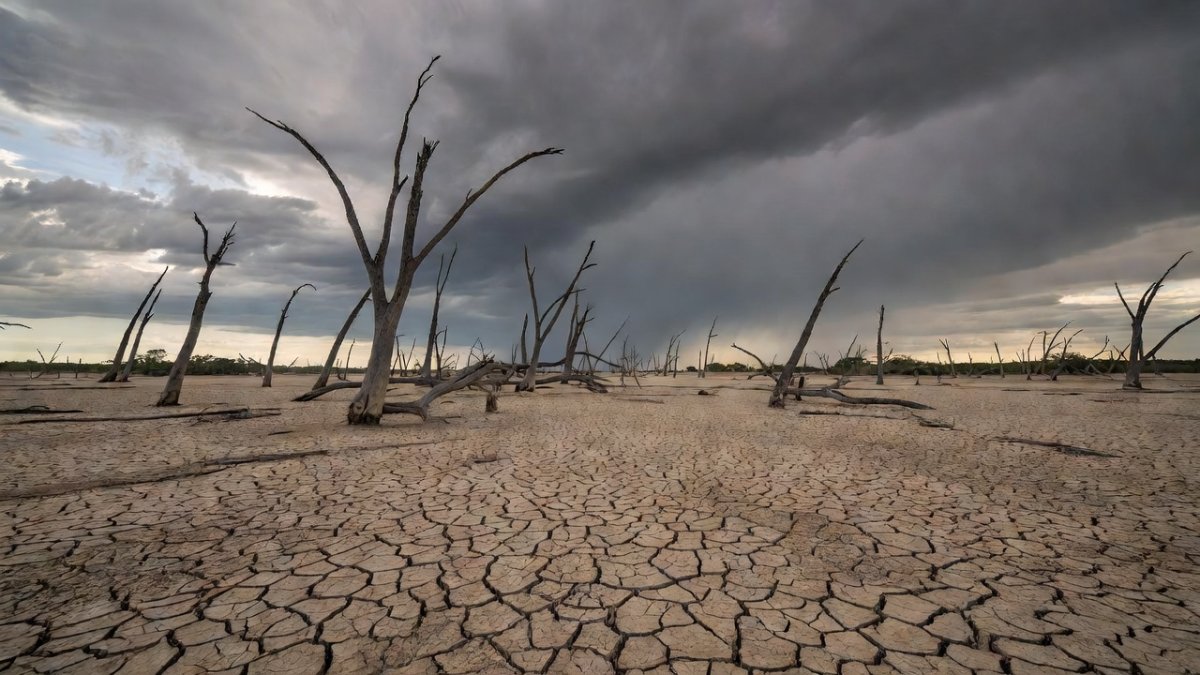
Ranchers in the region recall how the 1997-98 El Nino reduced water availability for herds, forcing costly feed purchases. This time, with global temperatures already elevated, evaporation rates could accelerate the drying of seasonal lagoons. Local environmental groups are urging state authorities to pre-position firefighting equipment near key access roads.
Further east, the Cerrado savanna across Mato Grosso and Goias faces parallel pressures on its soy plantations. The biome's water table has declined steadily in recent decades, and El Nino-driven rainfall shortfalls would intensify depletion. Farmers who irrigate from deep wells may see energy costs rise if surface streams fail to recharge.
Goias municipalities that supply much of Brazil's grain exports are watching soil moisture maps closely. Without adequate rain during the critical flowering period, yields could fall below expectations. Conservationists warn that continued clearing for new fields would compound the problem by reducing the landscape's natural water retention capacity.
Brazilian Agriculture Confronts Supply Chain Threats
Soy growers in Mato Grosso are preparing contingency plans as El Nino forecasts point to reduced rainfall during the upcoming planting window. Coffee producers in Minas Gerais remember how the 2015-16 event damaged blossoms and lowered bean quality across the state's rolling hills. Sugar cane fields in Sao Paulo could also suffer if soil moisture remains low through the dry season.
Cattle operations throughout the interior depend on pasture regeneration that El Nino often disrupts. When grass fails to regrow, ranchers must purchase supplemental feed or sell animals early, both of which squeeze profit margins. The Parana River basin supplies water to several hydroelectric dams, including Itaipu and Tucurui, whose output helps power processing plants for these crops.
Sao Paulo's metropolitan water supply draws partly from the same basin, raising concerns that urban rationing could coincide with agricultural shortfalls. Historical data from earlier strong events show how simultaneous stresses on energy and food systems ripple through the national economy. Ministry of Agriculture officials have begun coordinating with state agencies to monitor reservoir levels at key sites.
Export terminals at Santos and Paranagua may see volume fluctuations if harvests decline. Farmers in western Parana are already adjusting planting calendars where possible, though options remain limited for rain-fed systems. The combined effect on Brazil's trade balance could become noticeable by early next year if conditions unfold as projected.
Peru, Ecuador and Colombia Prepare for Contrasting Impacts
Northern Peru's Piura and Tumbes regions face elevated flood risks once the El Nino fully develops, with heavy rains expected to swell rivers that cross the coastal plain. Agriculture in these departments could suffer from both inundation and subsequent disease outbreaks in crops. The fishing industry along the same coastline often sees shifts in anchovy stocks during such events, affecting processing plants and export revenues.
In Ecuador, Guayaquil and surrounding coastal zones have experienced flooding that damages banana plantations and port infrastructure. Export volumes from the country's key agricultural sector could drop if drainage systems are overwhelmed. Past strong El Nino episodes left lasting scars on rural economies that took years to recover.
Colombia's Andean coffee regions may encounter irregular flowering patterns, while Amazon departments such as Caqueta and Putumayo contend with drier forest conditions. Reduced rainfall in these areas can increase vulnerability to fires near settlement frontiers. National meteorological services are expanding early-warning networks to reach smallholder families before the peak season arrives.
Cross-border coordination between Peru, Ecuador and Colombia has improved since the 1997-98 event, yet resource gaps persist in remote zones. Fishing cooperatives in Tumbes are seeking government support for alternative livelihoods if catches decline. Coffee growers in Colombia's highlands are testing shade-management techniques to buffer against temperature spikes.
Central America Dry Corridor Confronts Crop Failures
The Dry Corridor spanning Honduras, Guatemala and Nicaragua is expected to see further rainfall reductions that threaten subsistence maize and bean harvests. Communities already coping with erratic seasons could face acute food insecurity if the El Nino strengthens as forecast. Migration pressures have historically risen in these areas following consecutive poor harvests.
Small-scale farmers in western Honduras recall how the 2015-16 event forced many households to rely on emergency aid. Current early-warning systems managed by regional meteorological agencies aim to provide more lead time for planting adjustments. International partners are discussing prepositioned seed reserves suited to drier conditions.
In Guatemala's highlands, coffee smallholders face similar moisture stress that can reduce bean size and quality. Nicaragua's Pacific lowlands may experience extended dry spells that affect both staple crops and livestock watering points. National governments are reviewing drought-relief protocols developed after earlier El Nino episodes.
Regional organizations have emphasized the need for sustained investment in irrigation and soil conservation. Without such measures, repeated shocks could accelerate rural depopulation. Local leaders stress that adaptation funding must reach the most isolated villages before the next planting cycle begins.
Long-Term Outlook and Adaptation Pathways
Mohamed Adow of Power Shift Africa has described the El Nino declaration as a deadly siren warning of failed rains, dying crops and rising food prices across vulnerable regions. Latin American governments are therefore examining how to strengthen early-action protocols that proved partially effective during the 2015-16 episode. Investments in climate-resilient infrastructure remain essential if the current event reaches super El Nino intensity.
National meteorological services in Brazil, Peru and Colombia are expanding forecast dissemination to rural radio networks and community leaders. These efforts aim to give farmers and fishers time to adjust planting dates or relocate livestock. International climate finance could support expanded monitoring by IBAMA and equivalent agencies in neighboring countries.
Longer-term strategies include restoring degraded watersheds in the Cerrado and Pantanal to improve water retention. In the Amazon, enforcement of existing forest-protection laws by ICMBio and state environmental agencies could limit additional fire spread. Regional cooperation on shared river basins such as the Parana offers another avenue for coordinated reservoir management.
Adaptation measures proposed by scientists and civil-society groups focus on diversifying livelihoods away from climate-sensitive monocultures. If implemented, these approaches could reduce the human cost of future El Nino events. Continued global efforts to limit underlying warming will determine whether such events remain manageable or push systems beyond recovery thresholds.
By Elena Vasquez, Staff WriterThis article was produced with AI-assisted research and editorial support. Reporting is based on sources cited in the article.
What's Your Reaction?
 Like
0
Like
0
 Dislike
0
Dislike
0
 Love
0
Love
0
 Funny
0
Funny
0
 Wow
0
Wow
0
 Sad
0
Sad
0
 Angry
0
Angry
0

Latin America Correspondent at Global1.News. Based in Mexico City, covering politics, economics, energy, and culture across the region. Brings an on-the-ground perspective to stories spanning from the Rio Grande to Patagonia.













Comments (0)