
Netanyahu-Trump Talks: Iran, Postwar Order, and Elections Shape Washington Summit
Israeli Prime Minister Benjamin Netanyahu arrives in Washington on July 28 for his eighth meeting with President Donald Trump. Iran nuclear deal, Gaza postwar governance, Hezbollah disarmament, Saudi normalization, and October elections top the agenda as the US-Israel-Iran war enters a fragile pause.
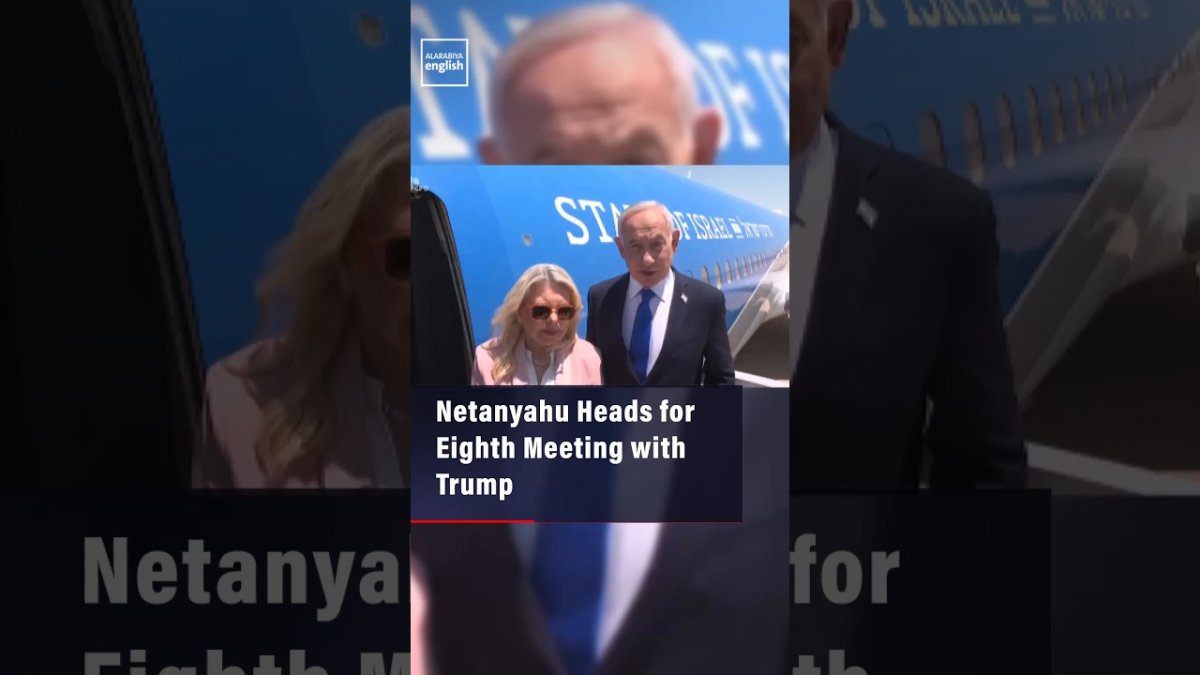
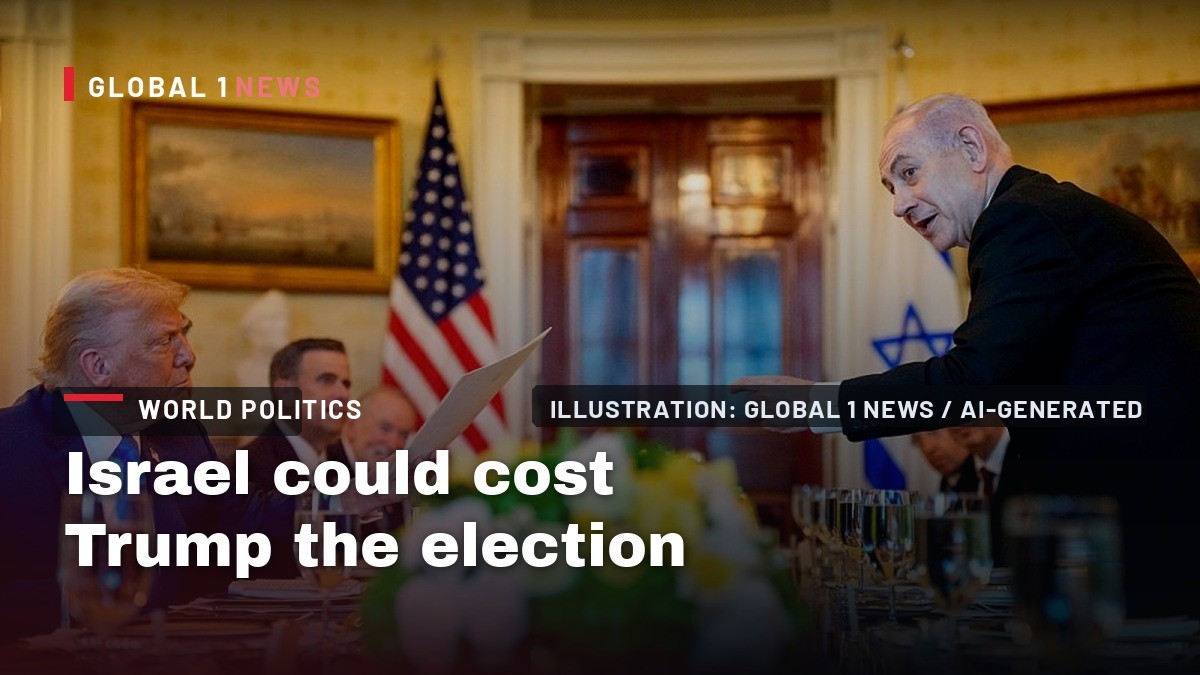
Israeli Prime Minister Benjamin Netanyahu arrived in Washington on Monday for his eighth meeting with President Donald Trump since Trump began his second term — the highest number of face-to-face encounters between the American leader and any foreign counterpart. The July 28 White House summit unfolds as the US-Israel war with Iran, triggered by airstrikes on February 28 that killed Supreme Leader Ali Khamenei and other senior Iranian officials, enters a precarious pause following a fragile June memorandum of understanding.
Netanyahu-Trump Talks: Iran, Postwar Order, and Elections Shape the Agenda
Washington, DC — July 28, 2026 — The meeting, Netanyahu’s first face-to-face with Trump since February 2026, places the Iranian nuclear program “first and foremost” on the agenda, the prime minister said in a statement before departing. “This will be the eighth meeting between the two leaders since Trump’s election for a second term, more than any other international leader,” Netanyahu said. “This is a great privilege, but it is also a great responsibility.”
Regional Context of the US-Israel-Iran War
The conflict that erupted on February 28, 2026, reshaped the Middle East’s strategic landscape in ways not seen since the 2003 Iraq war. The initial US-Israeli airstrikes targeted senior Iranian military and political leadership, killing Khamenei and triggering a five-month campaign of retaliatory strikes across the Persian Gulf, the Strait of Hormuz, and Israeli and American positions in Syria and Iraq. Iran’s proxy network — Hezbollah in Lebanon, Shia militias in Iraq, and the Houthis in Yemen — responded in parallel, drawing the region into a multi-front confrontation.
The United States paused offensive operations after Trump was advised by his national security team to halt further strikes and pursue diplomatic channels. Iran reciprocated by suspending what it called “retaliatory attacks” against US allies in the region, according to a statement from Tehran on July 26. The fragile truce opened space for the June MoU, a preliminary framework that links limited sanctions relief to a temporary pause in Iranian uranium enrichment activities.
Strains in the Trump-Netanyahu Relationship
Despite the surface amity, the relationship shows clear structural tension. Netanyahu’s inner circle — including members of his Likud party and coalition allies — has publicly criticized Trump and his senior aides over the June MoU. Israeli officials argue the agreement does not adequately address the country’s security requirements, particularly the dismantling of Iran’s enrichment capacity and the rollback of its ballistic missile program.
The February 2026 meeting between the two leaders, which lasted approximately two-and-a-half hours and focused on Iran’s nuclear capabilities, set the stage for the military operations that followed. Now, five months later, the strategic calculus has shifted. Netanyahu arrives in Washington also to attend the funeral of Senator Lindsey Graham, the late South Carolina Republican and staunch Israel supporter whose final phone call with the prime minister — captured in unreleased documentary footage — revealed discussions on Lebanon, Iran, and Trump’s potential involvement in a broader campaign.
Support for Israel in the United States has been declining, a trend shaped by the prolonged war, mounting civilian casualties in Gaza, and growing skepticism among Democratic constituencies. Netanyahu must navigate a Washington where bipartisan solidarity on Israel is no longer guaranteed.
Concerns Over the Iran Nuclear Deal
The June 2026 memorandum of understanding has drawn sharp criticism from Republican hawks in Congress, who argue it does not halt Iran’s uranium enrichment program and provides sanctions relief without adequate verification mechanisms. Unlike the 2015 Joint Comprehensive Plan of Action (JCPOA), from which Trump withdrew in 2018, the current framework does not mandate the dismantlement of centrifuges or the reduction of Iran’s stockpile of enriched material. It offers a temporary enrichment pause in exchange for limited relief from secondary sanctions targeting Iranian oil exports.
Israeli defense officials have assessed that Iran retains the technical capability to produce weapons-grade enriched uranium within weeks if it chooses to abrogate the pause. The International Atomic Energy Agency (IAEA) has reported that Iran’s enrichment levels, while paused operationally, have not been rolled back through verified dismantlement. Netanyahu is expected to press Trump for tighter inspection protocols and a clear trigger for the resumption of military action if Iran violates the terms.
Tehran’s negotiating position has been uncompromising. Iranian President Masoud Pezeshkian has stated that his team will not yield on the country’s “honor and dignity,” signaling resistance to any deal that mandates full enrichment cessation or deep inspections. The gulf between Israeli expectations and what the United States can realistically extract from Tehran represents the central diplomatic challenge of the summit.
Domestic Israeli Politics and the October 27 Election
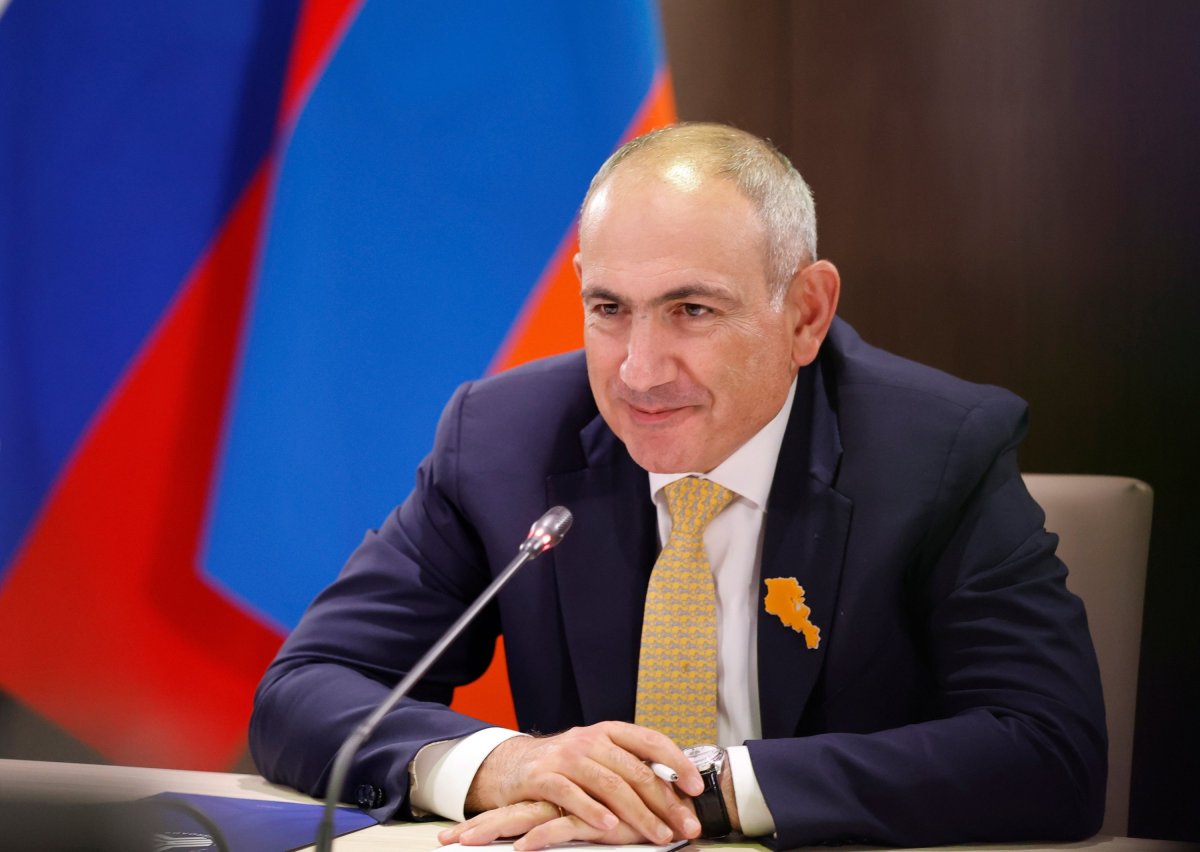
Netanyahu returns to Washington trailing in opinion polls ahead of an October 27 general election — a vote widely viewed as a referendum on his management of the Iran war and its human and economic costs. The Knesset dissolved in mid-July after a tense week in which the prime minister advanced controversial legislation to retain coalition allies, including bills that redirected security budgets and extended reservist call-up periods. The legislative blitz, while effective in keeping his coalition intact, further polarized an already fractious political environment.
Polls consistently show the opposition — led by centrist and left-wing blocs that have called for a negotiated settlement with Iran — gaining ground. The economic toll of the war has been substantial: defense spending has surged, tourism has collapsed, and foreign direct investment fell by an estimated 18 percent in the first half of 2026. Netanyahu’s base remains loyal, but the broader electorate is increasingly focused on the costs of the conflict and the absence of a clear exit strategy.
A strong showing in Washington — securing firmer US commitments on Iran, Gaza reconstruction, and Saudi normalization — could bolster Netanyahu’s campaign narrative of indispensable leadership. Failure, by contrast, risks accelerating defections from the center-right and energizing an opposition that frames his foreign policy as having entangled Israel in an open-ended war without achievable strategic objectives.
Postwar Regional Order: Gaza, Lebanon, and Syria
The Washington talks extend beyond Iran to encompass the architecture of the postwar Middle East. On Gaza, discussions will cover governance frameworks, reconstruction financing, and security arrangements that prevent Hamas and Palestinian Islamic Jihad from reconstituting their military capabilities. Egypt and Jordan have signaled willingness to play roles in a stabilisation force, but both countries have conditioned participation on credible progress toward a political horizon for Palestinian statehood.
In Lebanon, the US-brokered agreement requiring Hezbollah’s disarmament and an Israeli withdrawal from southern border zones faces implementation challenges. Lebanese troops have begun deploying in areas like Zawtar al-Gharbiya, but Hezbollah has not surrendered its heavy weaponry as stipulated. UN Security Council Resolution 1701, which mandated the disarmament of all Lebanese militias after the 2006 war, remains unimplemented — a structural weakness that both Washington and Jerusalem are now seeking to address through a binding international framework.
Syria adds another layer of complexity. Turkey’s expanding military and political role in northern Syria — where Ankara has deepened its incursions against Kurdish forces and consolidated influence over reconstruction — introduces a variable that complicates both US-Israeli and Russian-Iranian calculations. Netanyahu will likely coordinate with Trump on red lines for Iranian re-entry into Syria through Iraqi territorial corridors, a route that Tehran has historically used to resupply Hezbollah.
Abraham Accords and Saudi Normalization
Saudi Arabia’s potential normalization with Israel — the centerpiece of Trump’s Middle East vision — remains contingent on progress toward Palestinian statehood and stronger US security guarantees against Iran. Riyadh has made clear that the June MoU between Washington and Tehran, without corresponding restraints on Iranian regional proxies, does not provide sufficient assurance. Crown Prince Mohammed bin Salman (MBS) has pursued Saudi Vision 2030 economic diversification as a hedge against regional instability, but the Iran war has disrupted investment flows and delayed major projects.
Any normalization breakthrough would reshape the Sunni Arab alignment, accelerating economic integration between Israel and the Gulf while marginalizing Iran and its proxies. The UAE, Bahrain, and Morocco — already party to the Abraham Accords — watch closely, as their own security calculations depend on the sustainability of the US-Iran pause and the credibility of American security commitments to the Gulf.
Strategic Implications for the Gulf and Energy Markets
The outcome of the Netanyahu-Trump summit carries direct consequences for global energy markets. The Strait of Hormuz — through which approximately 20 percent of the world’s crude oil passes — was effectively closed for periods during the war, sending Brent crude above US$120 per barrel and triggering emergency releases from strategic petroleum reserves in the United States, Europe, and Asia. Gulf sovereign wealth funds, collectively valued at over US$3 trillion, have been positioning for either scenario. A durable framework that opens the strait and stabilizes the region could unlock investment channels and reinforce Arab-Israeli normalization momentum. Renewed hostilities, by contrast, would spike energy prices, disrupt Gulf diversification plans, and strengthen the hand of China and Russia — both of which have sought leverage in any postwar settlement.
Beijing has deepened its economic engagement with Tehran throughout the conflict, signing infrastructure and energy deals that tie Iran’s recovery to Chinese financing. Moscow, meanwhile, has positioned itself as a diplomatic intermediary, hosting talks between Iranian and Russian officials while supplying Iran with advanced air defense systems. Any postwar order that does not account for great-power competition risks embedding spheres of influence that constrain US and Israeli strategic flexibility for years to come.
Netanyahu’s eighth meeting with Trump is therefore far more than a bilateral check-in. It is a strategic negotiation over the shape of the Middle East after the most significant military confrontation the region has seen in decades, with implications for nuclear nonproliferation, energy security, and the balance of power between Iran and the Sunni Arab world. The outcome will determine not only the trajectory of US-Israel relations but the stability of a region still reeling from five months of war.
By Malik Hassan, Staff Writer
This article was produced with AI-assisted research and editorial support. Reporting is based on sources cited in the article.
What's Your Reaction?
 Like
0
Like
0
 Dislike
0
Dislike
0
 Love
0
Love
0
 Funny
0
Funny
0
 Wow
0
Wow
0
 Sad
0
Sad
0
 Angry
0
Angry
0

Middle East Correspondent at Global1.News. Based in Beirut, covering politics, conflict, energy, and society across the Middle East. Brings context and depth to a region often reduced to headlines.












Comments (0)