
Canadian emergency doctors leaving 'broken' industry, citing burnout: CMAJ study
A new national survey reveals that one in ten emergency physicians have abandoned the specialty amid widespread burnout and frustration with a strained health-care system. The Canadian Medical Association Journal study highlights how overcrowding, staffing shortages and reduced clinical hours are accelerating exits, particularly among women and younger doctors. These trends threaten emergency department stability from coast to coast.
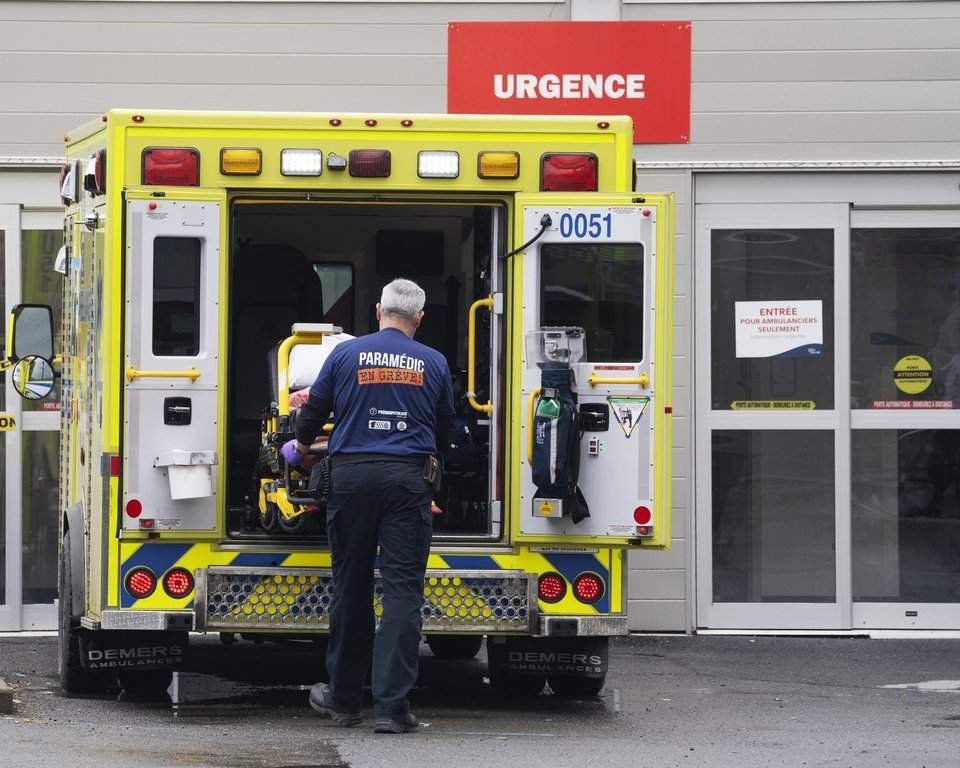
A new national survey reveals that one in ten emergency physicians have abandoned the specialty amid widespread burnout and frustration with a strained health-care system. The Canadian Medical Association Journal study highlights how overcrowding, staffing shortages and reduced clinical hours are accelerating exits, particularly among women and younger doctors. These trends threaten emergency department stability from coast to coast.
CMAJ Study Documents Physician Exits From Emergency Medicine
A study published Monday in the Canadian Medical Association Journal reports that one in 10 emergency physicians have left the specialty entirely, driven by burnout and perceptions that the health-care system is broken. The findings draw from a 2025 national survey of more than 400 emergency medicine physicians across Canada.
Researchers noted that 48 percent of respondents had reduced their clinical hours, while 20 percent had taken time off from emergency medicine work. Women and younger participants reported higher levels of burnout, and those who reduced hours also showed elevated burnout scores. The study links these trends to ongoing emergency department overcrowding and staffing pressures.
Comparison With Broader Physician Burnout Data
The Canadian Medical Association's 2025 national findings indicated that 46 percent of physicians and residents reported high burnout. This figure is lower than the 53 percent recorded in 2021 but remains above the pre-pandemic level of 30 percent. The CMAJ study positions emergency medicine as a particularly affected area within these national patterns.
Physicians in the survey described the system as broken and hopeless, with many expressing feelings of demoralization and defeat. These sentiments align with documented pressures in emergency departments, where staffing shortages compound daily operational challenges.
Effects on Emergency Department Operations
The departure of roughly one in ten emergency physicians, combined with nearly half the workforce scaling back clinical hours, creates immediate and cascading disruptions across Canadian emergency departments. In practical terms, this translates to unfilled shifts that force hospitals to rely on locum tenens physicians at premium rates or to implement temporary closures during overnight periods.
Ontario's smaller community hospitals in the Greater Toronto Area and southwestern regions have already reported extended ambulance offload delays exceeding four hours in early 2025, while Alberta's rural sites near Edmonton have seen multiple weekend closures that reroute patients to urban centres already operating above capacity. These gaps compound existing bed shortages, producing a multiplier effect where each lost physician hour generates additional administrative burden on charge nurses and remaining staff who must triage higher volumes with fewer resources.
British Columbia's experience illustrates the rural-urban disparity most sharply. Several Interior Health and Northern Health facilities reduced operating hours in 2025 after sustained attrition, prompting the provincial government to activate contingency protocols that include mandatory overtime for remaining physicians.
The downstream pressure on those who stay is measurable: surveys from the BC Emergency Medicine Network show average weekly hours rising by six to eight for those who did not reduce their commitments, accelerating burnout cycles. This workload intensification also elevates error risk during high-acuity periods, particularly when complex cases from closed rural sites arrive at regional hubs already managing pandemic-era backlogs of deferred care. Policy analysts note that without targeted retention incentives tied to shift coverage guarantees, these operational fractures will widen through 2026.
CIHI Data on Emergency Department Wait Times
Canadian Institute for Health Information data for the 2024-25 fiscal year show that one in 10 Canadians admitted to hospital spent more than 48 hours waiting in the emergency department. Half of admitted patients waited more than 16 hours for an inpatient bed, and approximately 180,000 patients spent 48 hours or longer in the emergency department awaiting admission.
The average emergency department wait time stood at 14 hours during this period. These figures reflect persistent backlogs in long-term care and home care services, which contribute to emergency department congestion across provinces.
Federal-Provincial Policy Responses
Federal transfers under the 2023 health accord included dedicated envelopes for health workforce mental health, yet disbursement to frontline emergency physicians remains uneven across provinces. Ottawa's $25-billion bilateral agreements require provinces to report on physician wellness metrics, but accountability mechanisms lack specificity on emergency department retention targets. Provincial governments have responded with varying degrees of innovation: British Columbia's ER stabilization fund, launched in late 2024, allocates $40 million annually for after-hours premiums and locum support pools, while Ontario's Learn and Stay grants tie tuition forgiveness to multi-year service commitments in underserved emergency departments. Alberta has pursued aggressive recruitment campaigns in partnership with the University of Calgary, offering signing bonuses up to $100,000 for physicians willing to cover high-need shifts in Calgary and Red Deer.
The Canadian Medical Association continues to press for a national physician wellness strategy that would coordinate these disparate initiatives and establish pan-Canadian benchmarks for burnout reduction. Advocates argue that current funding streams treat symptoms rather than structural drivers such as fee-for-service models that penalize work-life balance. Comparative analysis of provincial outcomes suggests that jurisdictions combining financial incentives with administrative workload relief, such as protected non-clinical time, achieve modestly better retention than those relying solely on recruitment drives. Without sustained federal leadership to standardize data collection and share best practices, emergency departments risk continued leakage of experienced physicians into better-supported specialties or out-of-province opportunities.
Access Challenges and Provincial Variations
Approximately 6.5 million Canadians lack a family doctor, a gap that increases reliance on emergency departments for primary care needs. In Ontario, projections indicate that one in four residents may be without a family doctor by 2026, placing additional strain on emergency services in that province.
Federal-provincial relations continue to shape responses to these access issues, with medicare funding discussions focusing on wait-time reductions and workforce retention. Provincial health authorities have implemented targeted measures, yet emergency department pressures remain widespread.
The Rural and Remote Dimension
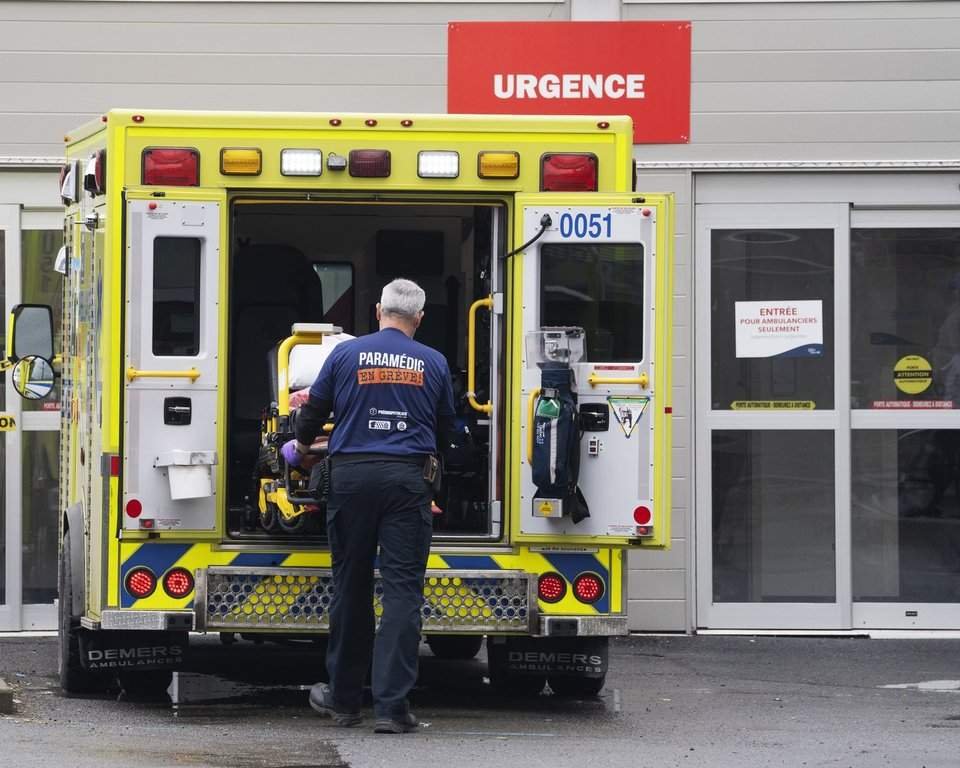
Rural and remote emergency departments face amplified consequences from physician attrition because staffing margins are already razor-thin. In communities with only two or three full-time emergency physicians, the departure of a single practitioner can trigger full service suspension, forcing air or ground transfers that delay critical interventions by hours. Northern Ontario's Sioux Lookout and Moose Factory sites have documented multiple temporary closures in 2025 directly linked to burnout-related exits, while similar patterns appear in Newfoundland and Labrador's coastal outposts where fly-in coverage depends on a handful of dedicated locums. These closures impose disproportionate travel burdens on Indigenous populations and exacerbate existing disparities in access to timely stroke and trauma care.
By contrast, urban teaching hospitals in Toronto and Vancouver maintain larger physician pools that absorb reductions through redistributed shifts and resident supplementation, though even these centres report rising overtime costs. The structural vulnerability of rural sites stems from limited opportunities for collegial support, continuing education, and spousal employment, factors that accelerate burnout beyond the national average. Federal programs such as the Rural and Remote Access Fund have provided some infrastructure support, yet they do not address the core issue of sustainable call schedules. Analysts emphasize that differentiated retention strategies, including housing subsidies and guaranteed vacation blocks, are essential if Canada intends to maintain emergency coverage outside major metropolitan corridors through the remainder of the decade.
Historical Context — From Pre-Pandemic to Now
Burnout among Canadian emergency physicians climbed from approximately 30 percent in 2019 to 53 percent by 2021, driven initially by pandemic surge capacity demands, personal protective equipment shortages, and repeated exposure to patient mortality. The subsequent modest decline to 46 percent by 2025 reflects partial recovery in vaccination rates and staffing reinforcements, yet levels remain elevated because of persistent moral injury from resource rationing and the accumulation of deferred care backlogs that now present as higher-acuity cases. These aftershocks manifest in increased rates of post-traumatic stress symptoms and early retirements among mid-career physicians who entered the specialty expecting predictable workloads.
International comparisons reveal parallel challenges. The UK's NHS has documented similar retention crises in emergency medicine, with vacancy rates exceeding 15 percent in some trusts, while Australian states have introduced targeted immigration pathways to offset domestic shortfalls. The United States reports comparable burnout trajectories, though its larger private-sector market allows greater geographic mobility for physicians seeking relief. Canadian data suggest that publicly funded system constraints, including rigid provincial billing structures and limited cross-border recruitment flexibility, prolong recovery timelines relative to peer nations. Sustained policy attention to these historical drivers will determine whether burnout stabilizes or rebounds as new infectious disease threats emerge.
Looking Ahead for Emergency Care Delivery
The CMAJ findings provide a snapshot of current conditions rather than long-term projections. Emergency physicians continue to navigate high patient volumes amid limited inpatient resources and upstream care gaps.
Provincial health authorities and federal partners have identified workforce stability as a priority in ongoing medicare discussions. The study adds evidence to these conversations without prescribing specific policy solutions.
Tags: CMAJ study, emergency physicians, burnout, ER wait times, Canadian healthcare, CIHI data, medicare funding
By Alex Thompson, Staff Writer
This article was produced with AI-assisted research and editorial support. Reporting is based on sources cited in the article.
What's Your Reaction?
 Like
0
Like
0
 Dislike
0
Dislike
0
 Love
0
Love
0
 Funny
0
Funny
0
 Wow
0
Wow
0
 Sad
0
Sad
0
 Angry
0
Angry
0
Canada Correspondent at Global1.News. Based in Toronto, covering Canadian politics, energy, trade, and US-Canada relations. Provides the Canadian perspective on North American and global affairs.















Comments (0)