
Venezuela Earthquakes Kill 920 as Rescue Teams Arrive Amid Infrastructure Crisis
Powerful Earthquakes Strike Venezuela This Week Two powerful earthquakes measuring 7.2 and 7.5 in magnitude struck Venezuela within seconds of each other on Wednesday. The second tremor ranked among the strongest to affect the country in a century. Government figures report at least 920 deaths and more than 3,360 injuries so far. Rescue operations continue across the northern r
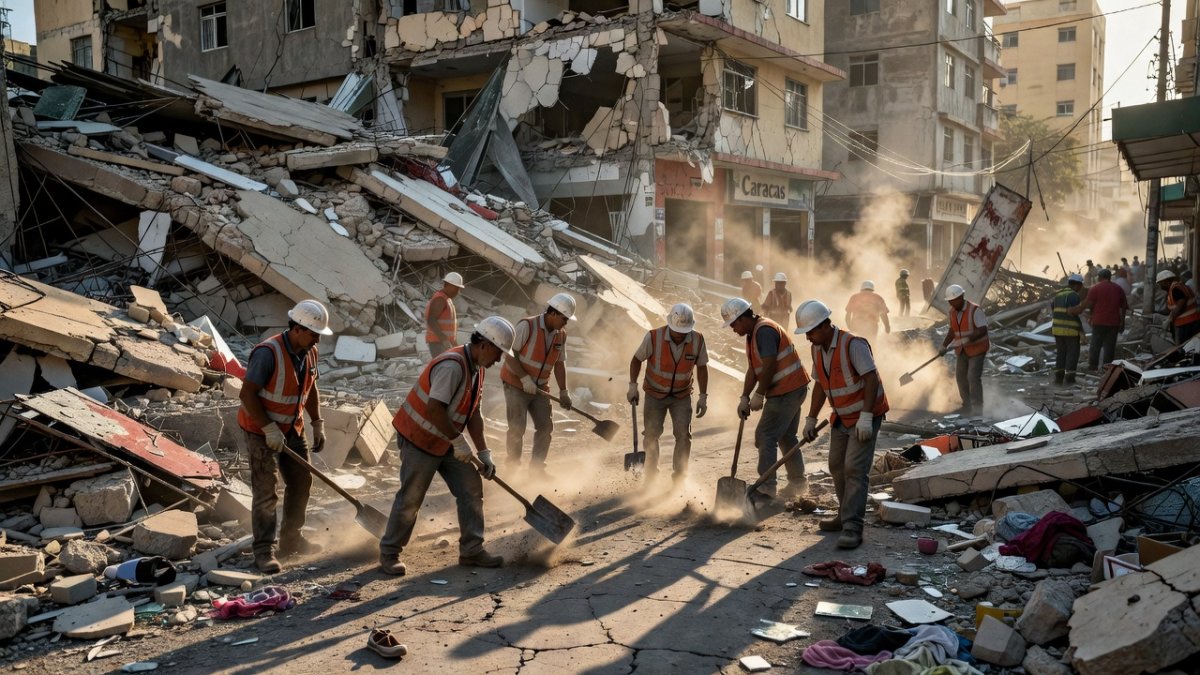
Powerful Earthquakes Strike Venezuela This Week
Two powerful earthquakes measuring 7.2 and 7.5 in magnitude struck Venezuela within seconds of each other on Wednesday. The second tremor ranked among the strongest to affect the country in a century. Government figures report at least 920 deaths and more than 3,360 injuries so far. Rescue operations continue across the northern region while families await news of missing relatives.
La Guaira state north of Caracas suffered the most severe damage. This area contains one of Venezuela's main ports and Simón Bolívar International Airport in Maiquetía. Officials confirm that dozens of buildings collapsed in Caracas and surrounding communities. National assembly head Jorge Rodriguez announced the updated death toll during a state television broadcast on Friday.
Rescue Operations Face Significant Obstacles
At least 172 people remain trapped under rubble according to the latest government statements. In La Guaira alone rescue teams have pulled 243 survivors from collapsed structures. More than 214 aftershocks have followed the initial quakes increasing risks for responders. Communications disruptions and damaged roads slowed the first response efforts.
UN humanitarian chief Tom Fletcher stated that nearly 2,000 international rescue workers have joined the operation. He emphasized that the first 72 hours remain critical for locating survivors. Reports indicate some teams extracted people using only their hands in the initial hours due to equipment shortages.
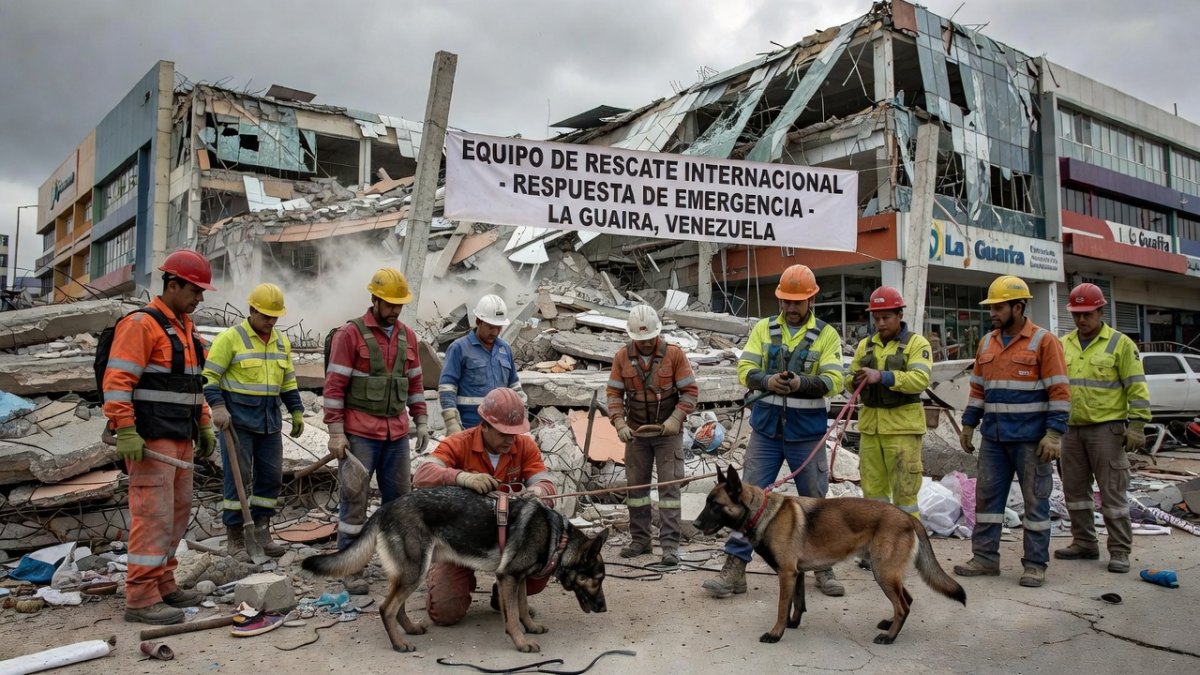
Crumbling Infrastructure Worsens Disaster Impact
Venezuela's infrastructure has deteriorated after more than a decade of economic crisis. Shortages of cement followed the collapse of the state-owned cement industry after its nationalization under former president Hugo Chávez. Many buildings and homes received no necessary repairs leaving them vulnerable to seismic events.
Public housing stock shows clear signs of neglect across northern states. Emergency services have operated with limited funding for years. The military's priority in resource allocation over the past two decades left civil protection units without modern vehicles and tools. These conditions directly contributed to the scale of destruction observed this week.
Medical Facilities Struggle Under Pressure
Several hospitals sustained damage during the quakes forcing medical staff to set up makeshift treatment areas. Surviving facilities report being overwhelmed with incoming patients. Medics told BBC reporters that even before this disaster treating patients proved difficult due to ongoing supply shortages.
The combination of damaged roads and limited resources delayed the transport of the injured. International teams now support local health workers in stabilizing the situation. Hundreds of buildings including shopping centers and medical centers require assessment before they can reopen.
International Aid Arrives Amid Governance Challenges
The United States announced deployment of warships and transport planes along with 150 million dollars in aid. UN teams under Tom Fletcher coordinate with these efforts to reach affected communities. Venezuela's current leadership under President Delcy Rodríguez faces immediate tests in managing the response.
Less than six months have passed since former leader Nicolás Maduro was seized by US forces. The new administration inherited a system already strained by years of sanctions and mismanagement. These factors have limited the country's capacity to prepare for natural disasters and maintain resilient infrastructure.
Broader Environmental and Regional Implications
As a climate journalist based in Brazil I see clear connections between Venezuela's infrastructure failures and reduced resilience to natural hazards. Poor building standards and lack of sustainable materials increase risks during seismic activity. Similar vulnerabilities exist across parts of Latin America where economic pressures have delayed environmental planning and disaster preparedness.
Recovery will require attention to both immediate humanitarian needs and long-term investments in safer construction practices. International support including UN-coordinated teams provides essential short-term relief. Continued monitoring of aftershocks and structural assessments will determine how quickly communities can begin rebuilding.
By Elena Vasquez, Staff WriterThis article was produced with AI-assisted research and editorial support. Reporting is based on sources cited in the article.
What's Your Reaction?
 Like
0
Like
0
 Dislike
0
Dislike
0
 Love
0
Love
0
 Funny
0
Funny
0
 Wow
0
Wow
0
 Sad
0
Sad
0
 Angry
0
Angry
0

Latin America Correspondent at Global1.News. Based in Mexico City, covering politics, economics, energy, and culture across the region. Brings an on-the-ground perspective to stories spanning from the Rio Grande to Patagonia.












Comments (0)