
Venezuela Demands Compensation from Trinidad Over Gulf of Paria Oil Spill
Venezuela Demands Compensation from Trinidad Over Gulf of Paria Oil Spill The May Spill Emerges in Regional Headlines The Gulf of Paria has long been a shared waterway between Trinidad and Tobago and Venezuela, where fishing communities on both sides depend on its waters for their livelihoods. Now, a spill first noticed on 1 May has drawn formal demands from Caracas for informa
The May Spill Emerges in Regional Headlines
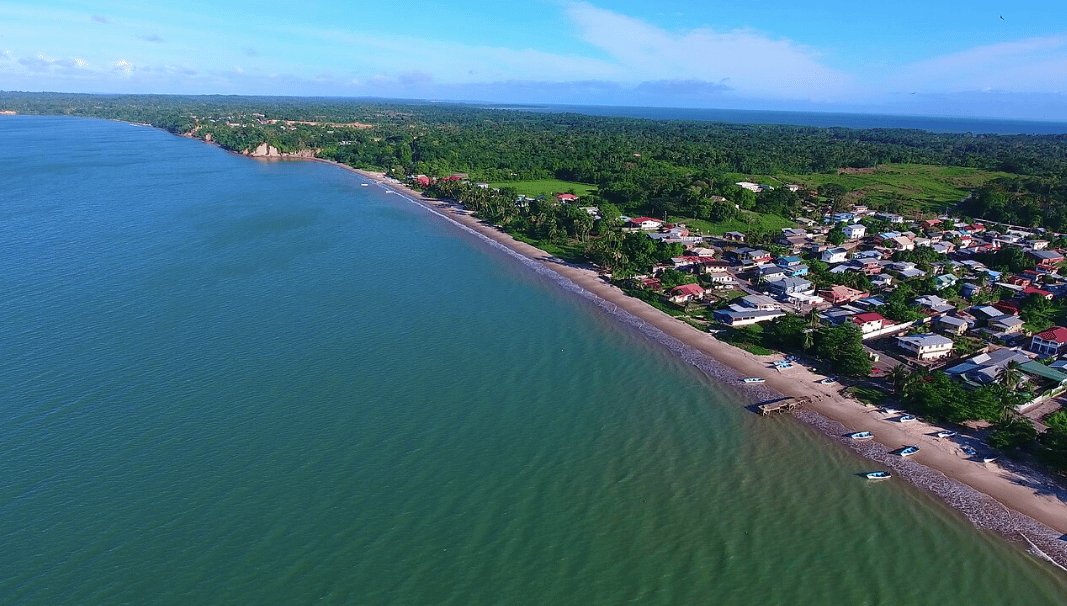
The Gulf of Paria has long been a shared waterway between Trinidad and Tobago and Venezuela, where fishing communities on both sides depend on its waters for their livelihoods. Now, a spill first noticed on 1 May has drawn formal demands from Caracas for information and compensation. Venezuela's Foreign Ministry points to initial assessments showing severe risks to ecosystems in Sucre and Delta Amacuro states, as well as the wider Gulf area. Mangroves and wetlands face particular threat, raising concerns about long-term damage to the environmental balance that supports local fisheries and coastal life.
Trinidad and Tobago remains one of the Caribbean's largest oil and gas producers, with the energy sector central to our economy and the cost of living for families across the nation. The incident has therefore touched nerves far beyond the immediate coastline, touching on questions of transparency and neighbourly responsibility that matter deeply in our small-island context.
Venezuela's Call for Accountability
Caracas has now formally requested details and compensation, stating that the spill originated in Trinidadian waters. The Venezuelan position highlights potential cross-border effects on sensitive habitats, with officials warning of harm to the delicate balance that sustains both marine life and the communities who rely on it. This development comes amid ongoing regional tensions, yet it also reflects the practical reality that environmental incidents in shared waters rarely stay contained to one side of any maritime line.
The timing, with the demand surfacing publicly around early July, has prompted quiet conversations in Port of Spain about how such matters are handled between neighbours who share both resources and risks. Fishing families in Trinidad's south-western communities know the Gulf intimately, and any threat to its health echoes directly in household incomes and food security.
Trinidad and Tobago's Assessment and Response
The Trinidad and Tobago government has described the incident as involving roughly ten barrels of hydrocarbon material that were contained on the same day. Officials noted initial concern that the material could cross the maritime border in the Gulf of Paria, yet they maintain the response was swift. The state oil company and relevant authorities did not release details until after Venezuela raised the matter, a sequence that has drawn some local commentary on the importance of timely public communication in energy-related events.
Energy sector stakeholders here understand that even modest spills carry reputational weight, especially as Trinidad and Tobago continues to position itself as a reliable regional supplier. The government's measured tone reflects both the technical assessment and the need to protect ongoing cooperation in hydrocarbon development.
Communities Along the Gulf Feel the Weight
For fishing villages along Trinidad's Gulf coast, the waters represent more than geography; they are the foundation of daily life and generational knowledge. Any risk to mangroves and wetlands translates into worries about fish stocks, crab populations, and the broader marine environment that supports small-scale operators. These concerns sit alongside wider pressures from inflation and the cost of living, making environmental incidents feel especially immediate to families already navigating economic uncertainty.
Similar pressures exist on the Venezuelan side in Sucre and Delta Amacuro, where communities likewise depend on the Gulf's productivity. The shared nature of these waters underscores why cross-border dialogue remains essential, even when political relations between the two countries have been complicated in recent years.
The 1990s Delimitation Treaty and Energy Ties
A delimitation treaty signed in the 1990s governs the exploitation of hydrocarbon deposits on both sides of the maritime boundary. This framework has allowed joint interest in the Gulf's resources while setting rules for how incidents are addressed. The current spill tests that arrangement in practical terms, reminding both nations that environmental safeguards must accompany any energy development in the area.
Trinidad and Tobago's position as a Caribbean energy producer gives it a particular stake in maintaining stable relations with Venezuela. The treaty remains a reference point for how future cooperation on oil and gas, and increasingly on renewable options, might be organised. Officials on both sides will likely return to its provisions as discussions continue.
Regional Implications for CARICOM and Venezuela
Within CARICOM, the episode highlights the delicate balance small states must strike between energy interests and environmental stewardship. Neighbouring countries watch closely, aware that any precedent set here could influence how similar incidents are managed elsewhere in the Caribbean basin. Venezuela's engagement with the bloc has varied over time, yet practical issues such as shared waters and fisheries often require steady, low-key diplomacy regardless of larger political currents.
For Trinidad and Tobago, the priority remains protecting both its energy reputation and the communities whose livelihoods depend on the Gulf. As the matter moves forward, the focus will likely stay on accurate information, measured responses, and the kind of neighbourly cooperation that has sustained relations across these waters for decades. The coming weeks will show how both governments navigate these shared responsibilities.
By Sharon Sahatoo, Staff WriterThis article was produced with AI-assisted research and editorial support. Reporting is based on sources cited in the article.
What's Your Reaction?
 Like
0
Like
0
 Dislike
0
Dislike
0
 Love
0
Love
0
 Funny
0
Funny
0
 Wow
0
Wow
0
 Sad
0
Sad
0
 Angry
0
Angry
0

Caribbean Correspondent at Global1.News. Based in Port of Spain, Trinidad, covering Caribbean politics, economy, energy, climate, and culture. Amplifying the voices and stories of the Caribbean region.











Comments (0)