
Vasai-Virar Floods: 335mm Rain and Health Risks in Maharashtra
**Keywords:** Vasai-Virar floods, 335 mm rainfall, Palghar district, IMD red alert, Mumbai Metropolitan Region, public health risks, mangrove destruction, urban flooding Maharashtra, climate resilience India, BMC disaster response, extreme rainfall trends, drainage infrastructure failure 335 mm in 12 Hours — Vasai-Virar Underwater The Vasai-Virar region in Palghar district, Mah
335 mm in 12 Hours — Vasai-Virar Underwater
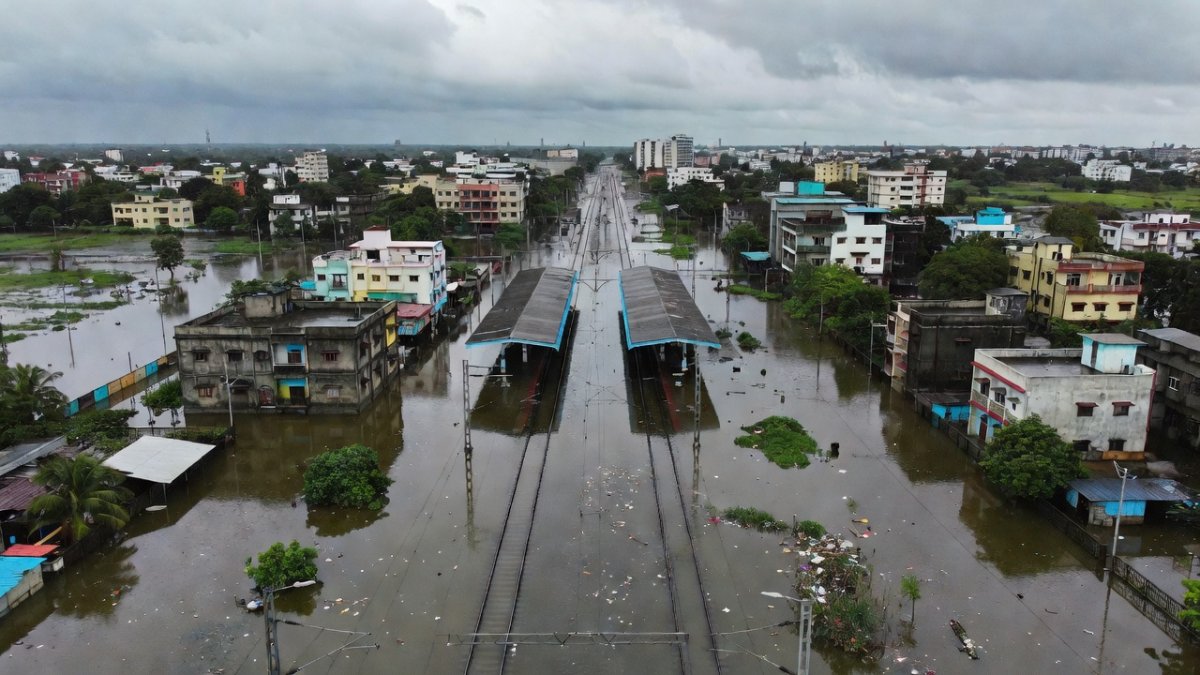
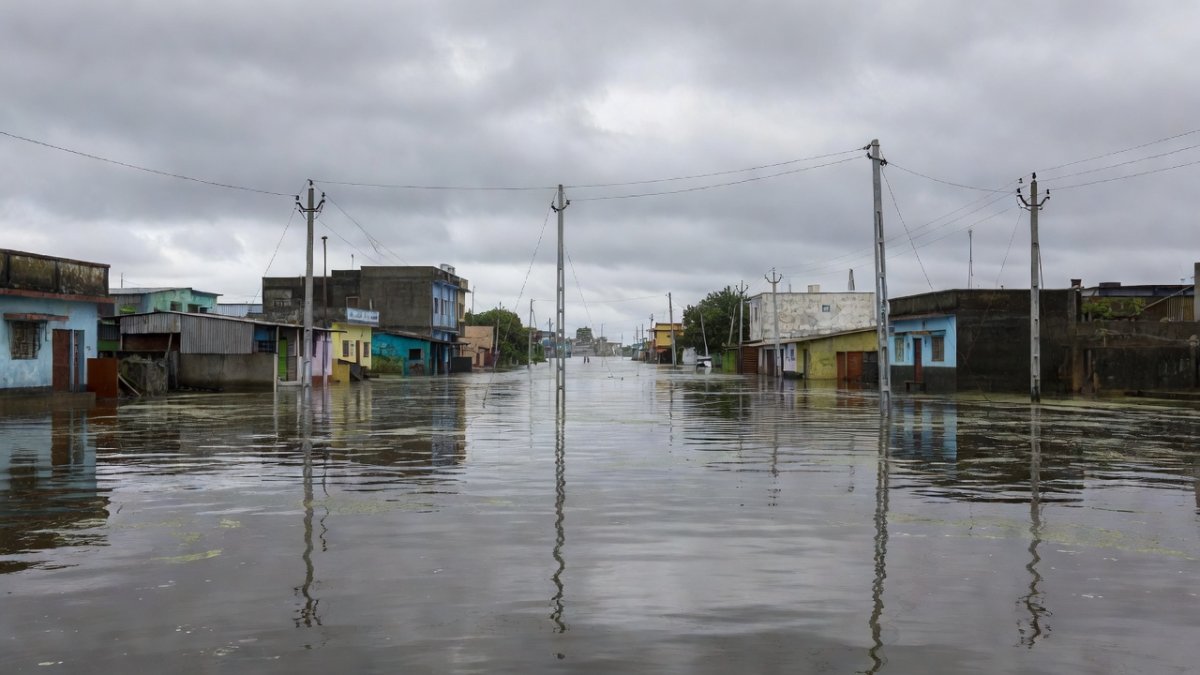
The Vasai-Virar region in Palghar district, Maharashtra recorded 335 mm of rainfall in just 12 hours on July 6, 2026. Waterlogging spread across Ambadi Manikpur Road near Vasai station, Evershine Road, Satuli Road and Bhoidapada Road. Rainwater entered homes and shops, stranding vehicles and halting daily movement. Train services between Vasai and Virar were suspended after a 1.5 km stretch of rail track became severely waterlogged. Schools across the region were declared closed, and power outages affected multiple neighbourhoods. Essential supplies including milk and vegetables faced immediate disruption as access routes remained flooded.
This volume of rain in half a day exceeds the drainage capacity of Vasai-Virar, which cannot absorb rainfall above 100 mm. The event followed an earlier spell that already delivered over 150 mm, leaving the ground saturated. Residents in low-lying chawls reported water levels rising rapidly inside living spaces. The combination of intense precipitation and inadequate stormwater infrastructure turned routine monsoon showers into a city-wide emergency within hours. For citizens dependent on daily wage labour and local markets, the sudden isolation created immediate economic and logistical strain that extended well beyond the rainfall period itself.
IMD Red Alert and the Science Behind the Deluge
The India Meteorological Department issued a red alert for the entire Mumbai Metropolitan Region covering Mumbai, Mumbai Suburban, Thane, Palghar and Raigad districts on July 6, 2026. The alert specifically warned of rough sea conditions, localised flooding and high tide that would worsen waterlogging in low-lying areas. The active southwest monsoon, fuelled by moisture-laden southwesterly winds from the Arabian Sea, delivered the extreme rainfall. Palghar district alone received nearly 300 mm within two hours during the peak intensity period.
High tide timing coincided with the heaviest downpour, preventing natural drainage into creeks and increasing backflow into residential zones. The IMD forecast accurately predicted the scale of the event, allowing authorities to issue advance notices. However, the sheer volume—335 mm in 12 hours—overwhelmed even prepared response systems. This meteorological pattern reflects the increasing frequency of short-duration, high-intensity rainfall events driven by warmer Arabian Sea temperatures. For public health planning, such precise IMD warnings provide critical windows to activate emergency medical stockpiles and hospital surge capacity before waterlogging isolates communities.
Why Vasai-Virar Floods: Infrastructure, Mangroves, and Urbanisation
Rampant construction on salt pans and mangroves has been identified as the primary driver behind repeated flooding in Vasai-Virar. These natural buffers once absorbed excess rainwater and reduced runoff velocity. Their removal has left the drainage network unable to handle even moderate rainfall, let alone the 335 mm recorded on July 6, 2026. The municipal drainage system was designed for far lower precipitation thresholds and now fails consistently during monsoon peaks.
Urban expansion in Palghar district has prioritised housing and commercial projects over ecological preservation, directly violating coastal regulation norms. Earlier spells of 150 mm in 24 hours over three consecutive days already stressed the system; the subsequent 335 mm event simply exposed the cumulative deficit in planning. Indian urban policy frameworks such as the Smart Cities Mission and coastal zone regulations exist on paper, yet enforcement remains weak. The result is recurring economic losses and health hazards for residents who have no alternative but to remain in flood-prone chawls. Restoring mangrove buffers and enforcing no-construction zones on salt pans would directly reduce future flood frequency and protect downstream healthcare infrastructure from contamination.
Rescue Operations and Humanitarian Impact
Rescue operations were launched immediately in Umelman village where water entered multiple chawls. A total of 222 people were rescued from flooded areas across Vasai-Virar. Teams navigated submerged roads to reach residents trapped inside tenement housing. Three deaths occurred in rain-related incidents, including those caused by falling trees. Uprooted trees and landslides also blocked sections of the Mumbai-Pune rail corridor, compounding transport disruptions.
The humanitarian toll extended beyond immediate rescue. Families lost household belongings and faced prolonged displacement while power remained cut. Schools remained shut, affecting children’s education and nutrition programmes that rely on midday meals. The Palghar district administration coordinated with state agencies to restore essential services, yet the scale of waterlogging delayed full recovery. For daily wage workers in the region, even two days without income created measurable food insecurity. These cascading effects highlight why disaster preparedness in Indian cities must integrate social welfare metrics alongside engineering solutions.
Public Health Concerns After the Floods
Floodwater contamination poses immediate risks of waterborne diseases including cholera, leptospirosis and gastroenteritis. With 335 mm of rain overwhelming drainage, sewage mixed freely with standing water in residential areas. Power outages disrupted refrigeration of medicines and vaccines at local health posts. Residents wading through contaminated water face skin infections and vector-borne disease spikes once mosquitoes breed in stagnant pools.
The Indian public health system in Maharashtra must now prioritise post-flood surveillance in Palghar district. Historical data from similar events show a 3–5 fold rise in diarrhoea cases within 72 hours of major flooding. Schools declared holidays prevented immediate outbreaks among children, yet reopening without thorough disinfection of premises could reverse that protection. Long-term mental health impacts on families who lost homes or witnessed rescues also require attention from district health officers. Strengthening primary health centres with rapid diagnostic kits and chlorine tablets before each monsoon would reduce the disease burden that follows extreme rainfall events like the one recorded on July 6, 2026.
Climate Trends: Is Maharashtra Seeing More Extreme Rainfall?
Maharashtra has recorded a measurable increase in short-duration extreme rainfall events over the past two decades. The 335 mm in 12 hours at Vasai-Virar fits a pattern of intensified monsoon bursts linked to rising sea surface temperatures in the Arabian Sea. IMD data show that events exceeding 200 mm in under 24 hours have become more frequent in the Mumbai Metropolitan Region since 2010. This trend aligns with broader climate projections for the west coast of India under continued greenhouse gas emissions.
Urban heat island effects in rapidly expanding cities like Vasai-Virar further amplify local rainfall intensity. The combination of natural climate variability and anthropogenic warming means infrastructure designed for 20th-century rainfall norms is now obsolete. Indian climate adaptation frameworks, including the National Action Plan on Climate Change, emphasise building resilient cities, yet funding allocation for drainage upgrades in Palghar district remains insufficient. Without accelerated investment, future monsoons will continue to produce similar or larger flooding events with corresponding health and economic costs.
What This Means for Urban Planning and Disaster Preparedness in India
The Vasai-Virar floods demonstrate that current urban planning standards in Maharashtra fail to account for projected increases in extreme rainfall. Drainage systems must be redesigned for at least 300 mm events rather than the 100 mm threshold currently in use. Mangrove restoration along the Palghar coast offers a cost-effective nature-based solution that simultaneously reduces flood risk and supports biodiversity. Integrating these measures into municipal development plans would align with India’s commitments under the Sendai Framework for Disaster Risk Reduction.
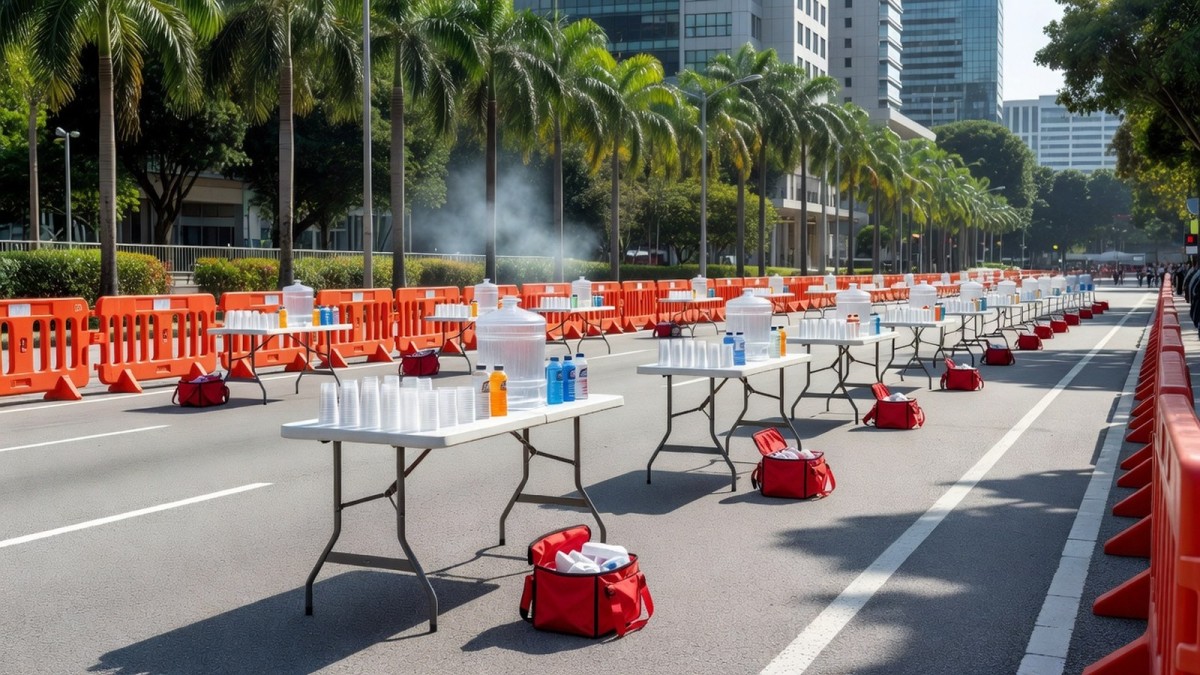
Disaster preparedness must also include health sector readiness. Stockpiling oral rehydration salts, deploying mobile medical units and maintaining backup power at primary health centres should become standard protocol before every red alert issued by IMD. Public communication campaigns in local languages can improve compliance with evacuation notices. The repeated flooding in Vasai-Virar shows that piecemeal infrastructure fixes are inadequate; a comprehensive overhaul of land-use policy and drainage engineering is required to protect citizens from escalating climate risks.
The Bottom Line
The 335 mm rainfall event on July 6, 2026 exposed critical gaps in drainage infrastructure, mangrove protection and health system surge capacity across Palghar district. IMD warnings proved accurate, yet urban development patterns continue to amplify flood impacts. Public health risks from contaminated water and disrupted services will persist unless drainage capacity is upgraded and ecological buffers restored. Maharashtra’s experience offers a clear lesson for other Indian coastal cities facing similar monsoon intensification: climate-resilient urban planning is no longer optional but essential for protecting lives and livelihoods. Immediate policy action on land use, drainage redesign and health preparedness can reduce the human cost of future extreme rainfall events. — By Dr. Raj Patel, Staff Writer
This article was produced with AI-assisted research and editorial support. Reporting is based on sources cited in the article.
What's Your Reaction?
 Like
0
Like
0
 Dislike
0
Dislike
0
 Love
0
Love
0
 Funny
0
Funny
0
 Wow
0
Wow
0
 Sad
0
Sad
0
 Angry
0
Angry
0

India/South Asia Correspondent at Global1.News. Analytical voice with a background in science and health journalism. Based in New Delhi, covering Indian politics, education, healthcare, technology, and policy. Breaks down complex data into clear, actionable reporting.











Comments (0)