
Trump Warns of Strong Military Action if Iran Diplomacy Collapses
President Donald Trump warns time is running out for Iran talks, threatens strong military action if diplomacy fails, amid Strait of Hormuz tensions and ahead of Netanyahu meeting.
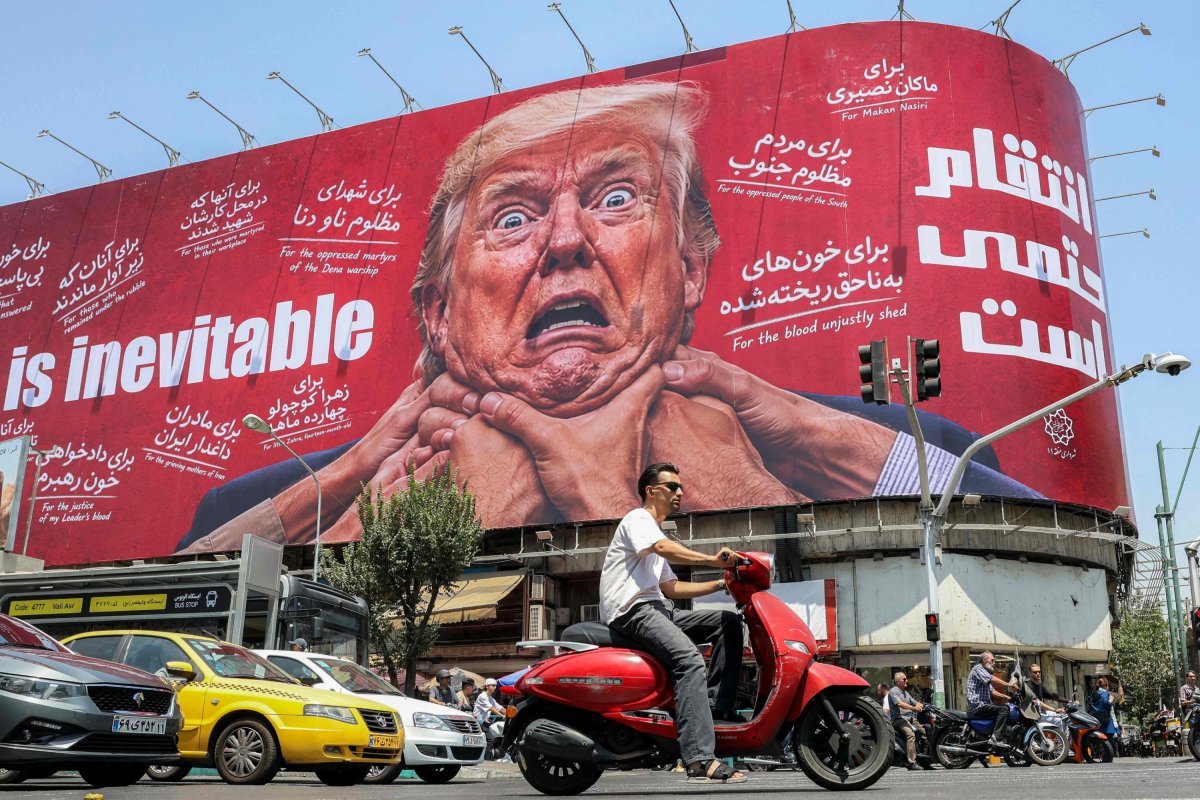
The Ultimatum: Narrow Window for Talks
U.S. President Donald Trump stated that Washington remains engaged in very deep talks with Iran but set a firm limit on how long the diplomatic process can continue. He told Axios that not much time remains, adding that the process must move forward rapidly or not at all. In separate remarks to Israeli broadcaster Channel 12, Trump warned that failure would lead Washington to resume very strong military action. The comments reflect a deliberate strategy of combining pressure with a short deadline, aimed at forcing Tehran to clarify its intentions on the nuclear file and regional behavior.
Trump’s Axios interview included the direct line that “we’re having very deep talks with Iran, but not much time is left,” while his Channel 12 comments stressed that “if it doesn’t move forward rapidly, we will have no choice but to resume very strong military action.” These statements followed two weeks of U.S. and allied strikes on Iranian targets that ended only after mediator appeals. Diplomatically, “very deep talks” signals sustained back-channel exchanges on enrichment caps, missile limits, and proxy restraint rather than surface-level messaging. U.S. Ambassador to the UN Mike Waltz reinforced the approach by stating Washington would “give talks some space” while keeping military options on the table.
The Military Pause and Its Rationale
Washington halted two weeks of sustained bombardment on Iran after appeals from regional mediators. Trump noted that nothing was gained or lost by granting the request. Senior officials, including Vice President JD Vance, had raised concerns about munitions stockpiles and the risk of broader escalation. A CENTCOM assessment concluded that the bombing campaign had essentially reached its limit in degrading Iran’s ability to threaten shipping in the Strait of Hormuz. Trump dismissed those stockpile worries, stating that the United States possesses far more munitions than anyone in the world and far more than it needs. The pause therefore appears tactical rather than a sign of diminished capability.
Vice President JD Vance reportedly opposed further escalation in National Security Council meetings, citing depleted precision-guided munitions and the danger of drawing in additional Iranian proxies. The Pentagon and CENTCOM assessment, delivered by commander Gen. Brad Cooper, concluded that strikes had “reached their limit” in neutralizing Hormuz threats without risking wider war. A tactical pause allows replenishment and diplomatic signaling while preserving the option to resume; it is not viewed in Washington as a strategic retreat. Cooper’s direct briefings to the President emphasized that existing stockpiles remain sufficient for renewed operations if talks fail.
Regional Mediators and Pakistan’s Role
Pakistan mediated a cease-fire in April, followed by a June memorandum of understanding between Tehran and Washington intended to create space for permanent negotiations. Gulf states, particularly those in the GCC, have quietly urged restraint to protect their own economic diversification plans under Vision 2030 frameworks. These actors fear that renewed fighting would disrupt investment flows and energy exports. Their leverage stems from geographic proximity and longstanding channels with both sides, yet their influence remains limited by Iran’s determination to maintain nuclear leverage and by Washington’s insistence on rapid results.
Saudi Arabia and the UAE have pressed for de-escalation to safeguard Vision 2030 projects, while Qatar has offered facilitation channels with Tehran. Turkey has positioned itself as an intermediary with both Iran and Western capitals, leveraging its NATO ties and recent energy deals. Egypt has stressed Gulf security concerns in Arab League consultations. The April Pakistan-brokered cease-fire halted active fighting after ten days, and the June MOU outlined confidence-building steps including limited sanctions easing tied to nuclear transparency.
Strait of Hormuz and Energy Security Stakes
Tensions flared earlier this month over navigation rights after Iran effectively blocked passage during the conflict. The waterway carries roughly one-fifth of global oil trade, making any prolonged closure a direct threat to energy markets. OPEC+ producers, including Saudi Arabia and the UAE, would face immediate pressure to increase output elsewhere, yet spare capacity is finite. A renewed closure would also complicate China’s energy imports and test Russia’s ability to redirect crude supplies. The economic consequences extend well beyond the region, linking Gulf stability to global inflation and supply-chain resilience.
Analysts estimate that a full Hormuz blockade could push Brent crude above $110 per barrel within weeks. China imports roughly 40 percent of its oil through the strait, leaving Beijing highly exposed to any sustained disruption. OPEC+ spare capacity stands at approximately 3.5 million barrels per day, insufficient to offset a major closure. Iran has threatened Hormuz closures during past crises in 2012 and 2019. War-risk insurance premiums for tankers have already risen 40 percent since the latest flare-up, adding billions in annual shipping costs.
Netanyahu Meeting and Israeli Calculations
Trump is scheduled to meet Israeli Prime Minister Benjamin Netanyahu at the White House on Tuesday. Trump plans to emphasize that without his leadership Iran would already possess nuclear weapons and Israel would face existential risk. Israeli officials view the current pause as temporary and want clear assurances that any diplomatic deal will include verifiable limits on Iran’s enrichment capacity and missile program. Netanyahu’s government must balance support for U.S. diplomacy against domestic pressure to prevent Iran from reconstituting its nuclear infrastructure. The meeting will test how closely the two countries align on the threshold for resuming strikes.
Netanyahu’s coalition faces pressure from far-right partners demanding immediate action, while Israel’s security establishment favors coordinated U.S.-Israeli targeting lists. Israel possesses independent strike capabilities but seeks U.S. munitions resupply and intelligence sharing for deeper bunker penetrations. Specific requests expected in Washington include firm enrichment caps below 20 percent and missile-range restrictions. U.S.-Israel coordination has intensified since February through weekly secure calls and joint planning cells.
Iran’s Position and Proxy Network Tests
Tehran has used the pause to probe its proxy capabilities, with reported drone activity affecting neighboring states. These actions signal that Iran retains options short of direct confrontation while talks continue. Domestic pressure inside Iran remains high, with visible signs of public discontent over economic hardship and the risk of renewed bombardment. Iranian leaders must weigh the cost of concessions against the possibility that further defiance could trigger decisive U.S. and Israeli action. The regime’s survival calculus therefore hinges on extracting maximum leverage from the remaining diplomatic window.
Ayatollah Khamenei has publicly stated that Iran will not surrender its nuclear rights under pressure. Divisions persist between IRGC commanders favoring continued proxy operations and diplomats seeking sanctions relief. Sanctions have cut Iran’s oil exports to under 1 million barrels per day, intensifying economic hardship. Recent drone incidents include strikes near Saudi oil facilities and Iraqi border posts. Protests have erupted in Tehran and Isfahan over rising prices and currency devaluation.
Scenarios for Escalation or Agreement
Three broad paths lie ahead. A rapid agreement could freeze enrichment levels and restore limited navigation through the Strait of Hormuz in exchange for sanctions relief, though verification mechanisms would remain contentious. A breakdown could produce targeted strikes on nuclear and missile sites, with secondary effects on shipping and proxy retaliation across Lebanon, Iraq, and Yemen. A prolonged stalemate risks gradual erosion of the cease-fire, renewed tanker incidents, and higher oil prices that would affect economies from Europe to East Asia. Each side’s leverage—U.S. military reach, Iranian proxy depth, and Gulf economic interests—will shape whether the current window closes with a deal or renewed conflict. The coming days will clarify which course prevails.
A rapid agreement would likely cap enrichment at 5 percent, allow IAEA monitoring, and provide phased sanctions relief on oil sales. Breakdown could involve U.S.-Israeli strikes on Natanz, Fordow, and missile sites, triggering Hezbollah rocket barrages and Houthi attacks on shipping. Prolonged stalemate risks Brent prices exceeding $100, a tanker insurance crisis with premiums doubling, and supply disruptions hitting Europe and East Asia hardest.
By Malik Hassan, Staff WriterThis article was produced with AI-assisted research and editorial support. Reporting is based on sources cited in the article.
What's Your Reaction?
 Like
0
Like
0
 Dislike
0
Dislike
0
 Love
0
Love
0
 Funny
0
Funny
0
 Wow
0
Wow
0
 Sad
0
Sad
0
 Angry
0
Angry
0

Middle East Correspondent at Global1.News. Based in Beirut, covering politics, conflict, energy, and society across the Middle East. Brings context and depth to a region often reduced to headlines.












Comments (0)