
Bryan Johnson's "Stomach Eating Itself" Diagnosis: What Indians Need to Know About Autoimmune Gastritis
In a stark reminder that even the most meticulously engineered human bodies remain vulnerable, tech billionaire Bryan Johnson’s May 2026 diagnosis of autoimmune gastritis has exposed critical gaps in early detection of autoimmune conditions worldwide. His public statement that “my stomach is eating itself” has sparked urgent conversations about iron-deficiency anemias that pers
In a stark reminder that even the most meticulously engineered human bodies remain vulnerable, tech billionaire Bryan Johnson’s May 2026 diagnosis of autoimmune gastritis has exposed critical gaps in early detection of autoimmune conditions worldwide. His public statement that “my stomach is eating itself” has sparked urgent conversations about iron-deficiency anemias that persist despite aggressive supplementation. For India’s 1.4 billion citizens, where autoimmune diseases already affect an estimated 120 million people, the case carries direct lessons for the nation’s overburdened healthcare system.
Bryan Johnson's "Stomach Eating Itself" Diagnosis: What Indians Need to Know About Autoimmune Gastritis
New Delhi – July 6, 2026 — Bryan Johnson, the 48-year-old founder of the Blueprint anti-ageing project, revealed in late June 2026 that he had been diagnosed with autoimmune gastritis (AIG) in May. The condition, confirmed through blood tests, endoscopy, and stomach biopsies at leading U.S. facilities, destroys the stomach’s parietal cells and has left him dependent on iron infusions. Johnson’s annual anti-ageing regimen already costs approximately $2 million; the new diagnosis adds lifelong monitoring and replacement therapy with no prospect of cure.
Understanding the Pathology of Autoimmune Gastritis
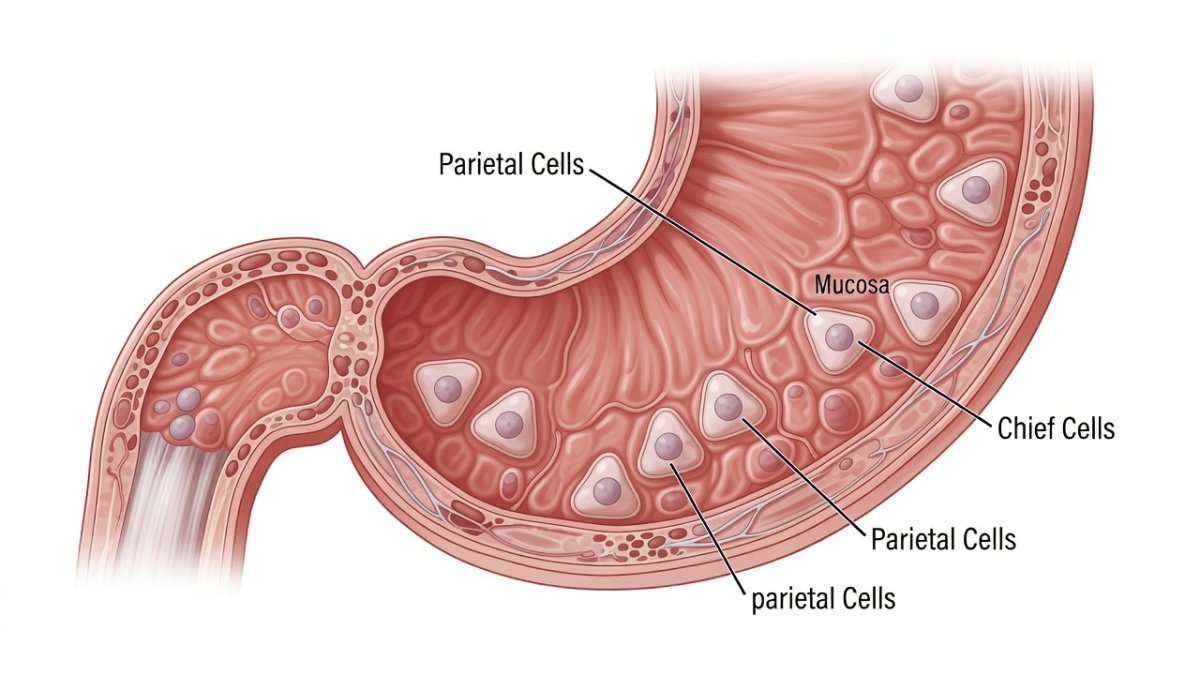
Autoimmune gastritis occurs when the immune system attacks parietal cells responsible for producing stomach acid and intrinsic factor. This leads to achlorhydria, impaired iron absorption, and eventual vitamin B12 deficiency. The disease affects 2-5% of the global population and frequently remains undiagnosed for years because early symptoms mimic common nutritional shortfalls. Johnson’s chronically low ferritin levels despite strict dietary protocols illustrate how AIG evades standard supplementation strategies.
Johnson’s Clinical Profile and Linked Conditions
Johnson received a hypothyroidism diagnosis at age 21, placing him within the thyrogastric syndrome spectrum where autoimmune thyroid disease and AIG frequently coexist. Blood work, endoscopy, and biopsies confirmed the AIG diagnosis in May 2026. He now receives regular iron infusions and plans lifelong B12 injections alongside quarterly endoscopic surveillance. These interventions address iron deficiency, vitamin B12 deficiency, and the 2-3 times elevated stomach cancer risk that AIG confers.

Treatment Realities and Absence of Cure
No therapy reverses the autoimmune destruction of parietal cells. Management therefore centres on correcting deficiencies and monitoring for malignancy. Johnson’s protocol now includes intravenous iron every few weeks and intramuscular B12, measures that Indian Society of Gastroenterology guidelines also endorse for unexplained iron-deficiency cases. The financial burden of such lifelong care remains substantial even for high-net-worth individuals, highlighting systemic challenges for ordinary patients.
India’s Autoimmune Disease Burden and Diagnostic Delays
Autoimmune conditions affect 8-10% of India’s population, equating to roughly 120 million citizens. ICMR data show rising prevalence, yet awareness remains low outside tertiary centres. AIIMS studies document average diagnostic delays of 5-7 years for autoimmune gastritis, largely because primary-care physicians rarely order endoscopy for isolated iron deficiency. The Indian Society of Gastroenterology explicitly recommends biopsy during endoscopy when iron deficiency lacks an obvious cause, a protocol still inconsistently applied across states.
Policy Implications for Indian Healthcare and Citizens
Johnson’s case underscores the need for updated national screening algorithms that incorporate autoimmune serology earlier in the work-up of refractory anaemia. With India’s out-of-pocket health expenditure still exceeding 48%, most patients cannot afford repeated endoscopies or lifelong parenteral iron and B12. States such as Kerala and Tamil Nadu have piloted autoimmune disease registries; scaling these nationally could reduce the 5-7 year lag documented by AIIMS researchers. For Indian taxpayers and patients alike, earlier diagnosis translates directly into lower cancer incidence and reduced long-term treatment costs.
— By Dr. Raj Patel, Staff Writer
This article was produced with AI-assisted research and editorial support. Reporting is based on sources cited in the article.
What's Your Reaction?
 Like
0
Like
0
 Dislike
0
Dislike
0
 Love
0
Love
0
 Funny
0
Funny
0
 Wow
0
Wow
0
 Sad
0
Sad
0
 Angry
0
Angry
0

India/South Asia Correspondent at Global1.News. Analytical voice with a background in science and health journalism. Based in New Delhi, covering Indian politics, education, healthcare, technology, and policy. Breaks down complex data into clear, actionable reporting.















Comments (0)