
Vance Warns Israel Not to Alienate Only Powerful Ally
** JD Vance Warns Israel Over US-Iran Deal and Middle East Tensions **Meta Description:** Vice President JD Vance criticizes Israeli officials for attacking the US-Iran agreement, highlighting shifting alliances, energy flows through the Strait of Hormuz, and risks to Israel's security amid the deal signed on June 17. **Keywords:** JD Vance, US-Iran deal, Israel criticism, Stra
The Shifting Alliances in the Middle East
The recent agreement between the United States and Iran to end the Middle East conflict marks a pivotal moment in regional dynamics, where longstanding rivalries between Sunni and Shia powers continue to shape strategic calculations. With the war launched jointly by the US and Israel on February 28 now facing a permanent halt, countries across the Gulf are reassessing their positions amid renewed talks on Iran's nuclear program. This development intersects with broader efforts at economic diversification in states like Saudi Arabia and the UAE, where stability in energy routes remains essential for long-term growth strategies.
Great power competition adds another layer, as the United States under President Donald Trump seeks to balance commitments while navigating tensions with actors such as Turkey and Qatar, who maintain their own influence networks. The deal's emphasis on reopening the Strait of Hormuz directly addresses disruptions that had triggered a historic energy crisis, affecting global supply chains and OPEC+ coordination. Regional players must now weigh how this reset influences their leverage in ongoing diplomatic maneuvers.
Historical patterns of mistrust between Tehran and Washington underscore the fragility of the current arrangement, which restores elements of the pre-war status quo while initiating a 60-day negotiating clock. For Israel, traditionally aligned with US policy, the shift highlights vulnerabilities in its security doctrine when facing isolation. Sunni-Shia competition, particularly involving proxies in Lebanon and beyond, could intensify or ease depending on how commitments are implemented by all parties.
Unpacking the US-Iran Agreement
The agreement signed by President Donald Trump on Wednesday calls for a permanent end to hostilities and outlines initial steps toward addressing Iran's nuclear program under international supervision. Iran's stockpile of highly enriched uranium must be diluted at a minimum, while Tehran reaffirms its prior commitment not to procure or develop nuclear weapons. These provisions extract limited immediate concessions yet offer benefits such as eased restrictions, setting the stage for further negotiations involving the IAEA.
Restoration of the pre-war situation includes restarting direct talks between the US and Iran, alongside the critical reopening of the Strait of Hormuz for oil and natural gas transit. This element carries significant weight for global energy markets, as the channel's closure had previously strained supplies and prompted responses from OPEC+ members. The deal's structure prioritizes de-escalation over comprehensive disarmament at this early phase.
Strategic calculus for the United States centers on stabilizing energy flows and reducing the risk of wider conflict, while Iran gains breathing room to resume exports. Second-order effects may include shifts in how Gulf states like Saudi Arabia and the UAE engage with Tehran, potentially altering balances in the broader competition for regional influence. The 60-day clock introduces urgency, compelling all sides to define next steps without derailing momentum.
Israeli Domestic Opposition to the Deal
Israeli National Security Minister Itamar Ben-Gvir and Finance Minister Bezalel Smotrich have emerged as vocal opponents, with Smotrich denouncing the agreement as detrimental to Israel and the free world. Ben-Gvir asserted that the deal does not bind Israel, emphasizing the country's status as an independent and sovereign nation. These positions reflect internal divisions within Prime Minister Benjamin Netanyahu's government amid growing strains with the Trump administration.
Israeli security doctrine has long prioritized preemptive measures against perceived threats from Iran, yet the current agreement challenges this approach by favoring negotiated outcomes. Critics within the cabinet argue that the terms provide Iran with upfront advantages while delivering little tangible restraint on its nuclear ambitions. Such views highlight the tension between short-term military actions and longer-term diplomatic realities.
The opposition from figures like Ben-Gvir and Smotrich also connects to wider regional implications, including Israel's relations with neighbors such as Lebanon where ongoing operations risk complicating the US-Iran framework. Netanyahu's government must navigate these domestic pressures while assessing how alienation from Washington could affect future support in a multipolar environment involving actors like Turkey and Qatar.
Vance's Stern Rebuke to Israeli Critics
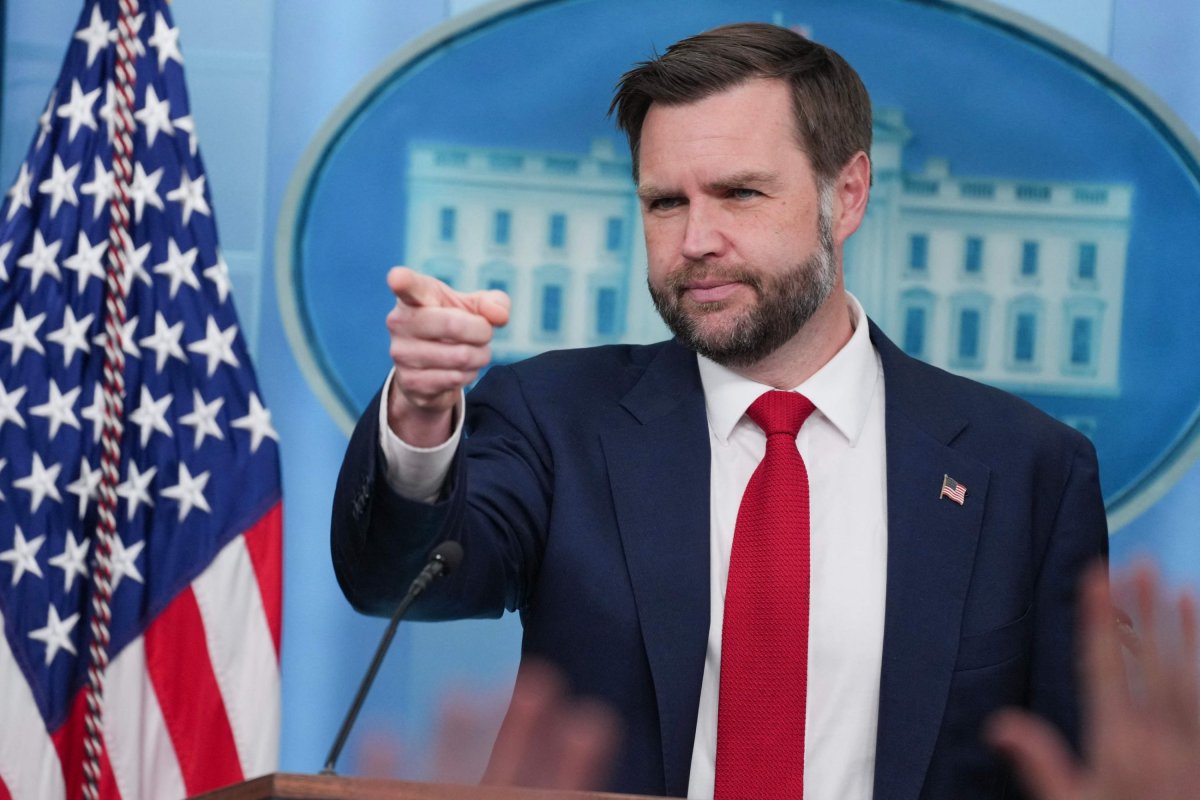
Vice President JD Vance delivered a pointed warning to Israeli officials criticizing the agreement, urging them not to attack the only powerful ally remaining for Israel. He emphasized that President Donald Trump stands as the sole head of state sympathetic to Israel at this juncture, advising cabinet members to recognize the country's isolated position. Vance noted that comments from Israeli figures had bothered him and called for a realistic assessment of the situation.
In direct reference to Ben-Gvir and Smotrich during a New York Times interview, Vance questioned their alternative proposals, pointing out Israel's population of nine million and the limits of relying solely on military force to resolve national security challenges. This intervention underscores the strategic leverage the United States holds through its military and diplomatic backing, particularly as the deal advances implementation on multiple fronts.
The rebuke ties into Trump's own expressions of concern over high death tolls from Israeli operations, especially in Lebanon, where he suggested more restrained responses to minor incidents. Such statements reveal diverging priorities between Washington and Jerusalem, with the US focusing on preserving the agreement's early gains. For Israel, maintaining alignment with its primary backer requires recalibrating public rhetoric amid these evolving dynamics.
Resumption of Maritime Traffic Through the Strait of Hormuz
The US Navy has permitted more than a dozen ships to reach Iranian ports as part of honoring early commitments under the agreement, with over 12.5 million barrels of oil transiting the Strait of Hormuz on Wednesday night alone. Two oil tankers departed Iran on Tuesday, crossing the former blockade with a combined 3.8 million barrels of crude. This development signals the practical lifting of restrictions that had contributed to the energy crisis.
Maritime data from Lloyd's List Intelligence indicates that major shipowners, including Grimaldi Group, Cosco, Knutsen, and NYK, have resumed transits for the first time in 110 days. Two Iran-flagged tankers owned by the National Iranian Tanker Company have also entered the strait, according to the same tracking. Phillip Belcher of Intertanko described the resumption as encouraging for global tanker operations.
Iranian state media reported normalized shipping at southern ports, though the strait remains under Iranian military supervision with coordination still required for transits. Richard Meade, editor in chief of Lloyd's List, highlighted the shift from vessels being effectively marooned since February. These changes carry direct consequences for energy markets and OPEC+ diplomacy, as increased flows could ease price pressures while testing compliance mechanisms.
Trump's Concerns Over Escalation in Lebanon
President Donald Trump has grown increasingly critical of the high death toll resulting from Israeli attacks, particularly those continuing in Lebanon despite the new agreement with Iran. He remarked that responses to minor drone incidents should not involve knocking down buildings in Beirut, suggesting Israeli forces could behave better and achieve objectives more effectively. These comments reflect Washington's interest in preventing actions that might undermine the deal's fragile progress.
The joint US-Israel launch of operations against Iran on February 28 has given way to a framework prioritizing de-escalation, yet Israeli operations in Lebanon introduce risks of spillover. Trump's statements at the G-7 summit in France underscore the administration's focus on containing the conflict's scope. This stance aligns with broader goals of stabilizing the region to facilitate nuclear negotiations.
Lebanon's position within the wider Middle East dynamics amplifies these concerns, as continued hostilities could draw in additional actors and complicate relations with Gulf states pursuing diversification. The emphasis on restraint illustrates how US leverage extends beyond the agreement itself, influencing Israeli calculations on the ground. Such pressures may shape future military decisions and their second-order effects across the Levant.
Broader Regional Implications for Energy and Security
The agreement's implementation carries significant implications for energy markets, with restored flows through the Strait of Hormuz potentially easing strains on global supplies and influencing OPEC+ strategies among producers in Saudi Arabia, the UAE, and beyond. Countries like Turkey and Qatar may adjust their diplomatic postures as the US-Iran channel reopens, affecting balances in Sunni-Shia competition and proxy engagements. The 60-day negotiating period will test whether initial commitments translate into durable restraints on Iran's nuclear program.
Israel's security doctrine faces reevaluation in light of reduced US tolerance for actions that threaten the deal, particularly as Vance highlighted the limits of military solutions for a nation of nine million. Relations with Prime Minister Benjamin Netanyahu's government could face further strain if criticism from figures like Itamar Ben-Gvir and Bezalel Smotrich persists. Regional actors must consider how these shifts alter leverage in great power competition involving multiple external players.
Ultimately, the deal's success hinges on coordinated adherence by the US, Iran, and Israel, with monitoring by organizations such as the IAEA playing a central role. Second-order effects may include accelerated economic initiatives in the Gulf and recalibrated approaches to Lebanon and other flashpoints. As maritime traffic normalizes under the supervision of the IRGC and international partners, the Middle East enters a phase where energy stability and nuclear diplomacy intersect more closely than before.
By Malik Hassan, Staff WriterThis article was produced with AI-assisted research and editorial support. Reporting is based on sources cited in the article.
What's Your Reaction?
 Like
0
Like
0
 Dislike
0
Dislike
0
 Love
0
Love
0
 Funny
0
Funny
0
 Wow
0
Wow
0
 Sad
0
Sad
0
 Angry
0
Angry
0

Middle East Correspondent at Global1.News. Based in Beirut, covering politics, conflict, energy, and society across the Middle East. Brings context and depth to a region often reduced to headlines.













Comments (0)