
Khamenei Jihad Rhetoric Ignites Israel Strikes on Tehran
The Middle East is a powder keg ready to blow, and Iran's new Supreme Leader Mojtaba Khamenei is striking the match with calls for endless jihad while Israel rains fire on Tehran. US intelligence warns he's gunning for nukes harder than his father ever did, and Netanyahu's flying into Washington for high-stakes talks that could decide if this spirals into full-blown war or a shaky pause.
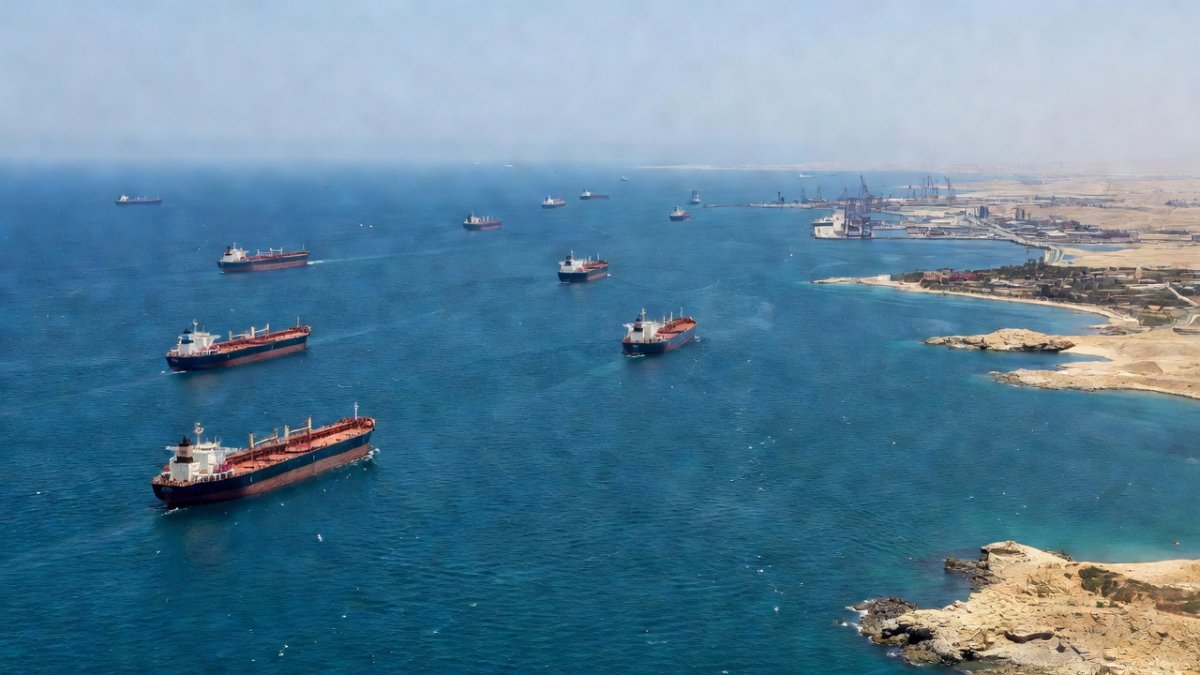
The Middle East is a powder keg ready to blow, and Iran's new Supreme Leader Mojtaba Khamenei is striking the match with calls for endless jihad while Israel rains fire on Tehran. US intelligence warns he's gunning for nukes harder than his father ever did, and Netanyahu's flying into Washington for high-stakes talks that could decide if this spirals into full-blown war or a shaky pause. Wake up, folks--this isn't some distant sideshow; it's a direct threat to global shipping, oil prices, and your security.
Khamenei Jihad Rhetoric Sparks Israel Tehran Strikes
Tehran, Iran - July 28, 2026 -- The region stands on the brink as Iran's Supreme Leader Mojtaba Khamenei doubles down on aggression, Israel unleashes overnight strikes, and Oman scrambles for a diplomatic lifeline through the Strait of Hormuz. Multiple sources including the Jerusalem Post and Al Jazeera confirm fresh developments that expose deep fractures inside Iran and raise the specter of nuclear escalation under US scrutiny.
Khamenei's Call for Jihad
Mojtaba Khamenei's July 26 statements, reported by the Jerusalem Post and FDD, heap praise on Hezbollah while demanding "continued jihad and attacks against Israel." This isn't empty rhetoric from a novice leader--it's a calculated escalation that signals he's doubling down on his father's hardline legacy but with even less restraint. Sources close to the regime describe him as emboldened by recent proxy successes, pushing militants to ramp up rocket fire and border incursions without pause.
Mojtaba Khamenei's July 26 rhetoric marks a sharp break from his father's calculated restraint. Ali Khamenei routinely praised Hezbollah and invoked jihad but kept the temperature just below outright regional war, using proxies as a pressure valve while preserving deniability. His son has ditched that balance sheet. He is framing every Israeli response as divine justification for total mobilization, turning what used to be periodic saber-rattling into a standing order for continuous attacks.
Listeners, this man is playing with fire in a way that could drag the entire region into chaos. Unlike previous leadership, he's framing every Israeli response as justification for total war, ignoring the human cost to his own people. Al Jazeera notes these comments aired amid state media confusion, highlighting how Khamenei is forcing a narrative of perpetual conflict that leaves no room for negotiation.
Hezbollah's current arsenal underscores why the words carry weight. The group now fields an estimated 150,000 rockets and missiles, including precision-guided systems capable of striking deep into Israel. Fresh barrages from southern Lebanon in recent weeks have already forced Israeli civilians into shelters and triggered multiple rounds of cross-border exchanges. Analysts at the Foundation for Defense of Democracies argue this is not mere bluster; the combination of upgraded Hezbollah capabilities and Mojtaba's explicit calls for escalation points to a deliberate strategy of sustained attrition rather than one-off provocations.
That shift is not stylistic; it reflects a leader who believes recent proxy gains have given him momentum his father never possessed. Others counter that the new leader is overplaying a weak hand, but the trajectory is unmistakable: the threshold for miscalculation has dropped dramatically.
Oman's Diplomatic Gambit
Bloomberg reports Oman has floated a fresh proposal to Iran aimed at securing the Strait of Hormuz and restarting commercial shipping lanes that have been choked by threats of closure. US and Iranian officials are quietly engaging to prevent a wider war that would spike oil prices overnight and hammer global economies. The plan involves joint patrols and de-escalation guarantees, but Tehran is dragging its feet, using the talks as leverage while missiles fly.
The Strait of Hormuz remains the world's most critical energy chokepoint, carrying roughly 21 percent of global petroleum liquids on any given day. Even a credible threat of closure has already pushed Brent crude above $95 a barrel, with analysts warning that sustained disruption could send prices toward $130 within weeks. Shipping insurance rates for tankers transiting the strait have spiked more than 40 percent since mid-July, forcing some operators to reroute around the Cape of Good Hope at added cost and delay.
This Omani move is a rare bright spot in an otherwise darkening picture, yet it exposes how fragile the situation remains. If Hormuz stays contested, expect energy markets to crater and inflation to surge worldwide. New York Times sources indicate the Trump administration is monitoring these backchannels closely, wary that any misstep could collapse the fragile window for de-escalation.
Bloomberg's reporting on the Oman-Iran backchannel reveals Tehran is using these exact economic pain points as leverage, demanding sanctions relief before it will discuss joint patrols or de-escalation guarantees. Oman's proposal is pragmatic but fragile. The sultanate has long served as the Gulf's quiet mediator, yet its influence is limited when missiles are flying and hardliners in Tehran see economic chaos as a regime-stabilizing tool.
US officials are watching the talks closely because any prolonged Hormuz crisis would hammer Asian economies hardest while simultaneously inflating US inflation readings. The window for quiet diplomacy is narrowing fast; once insurance costs make commercial traffic uneconomic, the crisis moves from manageable to systemic.
Israel Strikes Tehran
Israeli Defense Forces carried out precision overnight strikes across Tehran and multiple Iranian cities, expanding their campaign in direct response to proxy attacks and leadership threats. Jerusalem Post footage and BBC confirmations show targeted hits on military sites and command centers, signaling Israel's willingness to bring the fight home rather than absorb endless provocations. Casualty figures remain murky, but the message is unmistakable: Israel will not tolerate a nuclear-armed Iran under this new regime.
Israeli overnight strikes hit multiple IRGC bases around Tehran, including facilities tied to missile production and command-and-control nodes. Additional targets reportedly included elements of Iran's air-defense network protecting known nuclear sites, though no direct strikes on enrichment facilities have been confirmed. The IRGC's response options remain formidable: ballistic missiles, drone swarms, and the ability to activate Hezbollah and other proxies across multiple fronts.
These strikes mark a dangerous new phase where air superiority is being tested in real time. Netanyahu's government is betting that sustained pressure will force concessions, but the risk of Iranian retaliation through Hezbollah or direct missile barrages looms large. FDD analysts warn this could accelerate the very nuclear timeline Israel seeks to disrupt.
Early reports indicate limited civilian casualties, but the strikes have already triggered localized power outages and forced residents in targeted districts into shelters, amplifying domestic pressure on the regime. These operations represent a deliberate escalation in scope. Israel is no longer content with striking proxy assets; it is demonstrating that Iranian territory itself is now fair game.
The risk is that IRGC retaliation could quickly outpace Israel's defensive capacity, especially if Hezbollah opens a sustained second front. The civilian impact, while secondary to military calculations, is already eroding whatever thin popular support existed for the regime's confrontational posture.
Nuclear Ambitions
US intelligence assessments, echoed in New York Times reporting, conclude that Mojtaba Khamenei harbors stronger nuclear ambitions than his predecessor, viewing a weapon as essential leverage against Israel and the West. Unlike the elder Khamenei who balanced rhetoric with occasional restraint, this leader appears fixated on crossing the threshold, accelerating enrichment programs amid the chaos. The July 26 jihad statements only reinforce this trajectory, tying religious fervor to strategic weapons development.
IAEA data through mid-2026 shows Iran's stockpile of 60-percent enriched uranium has grown to roughly 165 kilograms, enough for several bombs if further enriched to weapons-grade. Breakout estimates now range from a few weeks to two months depending on the number of centrifuges brought online. Mojtaba Khamenei's explicit linkage of jihad rhetoric to nuclear leverage suggests he views a weapon as the ultimate insurance policy rather than a bargaining chip.
America cannot afford to sleepwalk into another nuclear standoff. These assessments from FDD and BBC sources paint a picture of a regime racing against sanctions and strikes to achieve breakout capability. The implications for global nonproliferation are dire if diplomacy fails to rein him in.
This marks a departure from his father's more ambiguous posture, which at times allowed for negotiated pauses. Saudi Arabia is watching the timeline with alarm. Riyadh has already signaled interest in its own nuclear hedging options if Iran crosses the threshold, raising the specter of a multi-state proliferation cascade across the Gulf.
Regional nonproliferation norms are eroding quickly; once one additional actor acquires weapons-usable material, the incentive structure for others shifts overnight. The diplomatic cost of containing this spread will be far higher than the current sanctions regime.
Iran's Internal Divisions
Al Jazeera highlights a widening public rift between Iran's government hardliners and state television over how to portray the war, with some outlets downplaying losses while others amplify Khamenei's calls for resistance. This internal discord reveals cracks in the regime's unity, as officials clash over messaging that could either rally the population or expose vulnerabilities. State TV has reportedly resisted full-throated endorsement of escalation, fearing backlash from war-weary citizens.
Iran's economy is buckling under the combined weight of sanctions and shipping disruptions. Official inflation has climbed above 45 percent, while the rial has lost more than 60 percent of its value against the dollar since the latest round of strikes began. Public protests have flared in multiple cities over fuel shortages and price spikes, with demonstrators openly questioning the regime's foreign adventures.
Such divisions are a potential pressure point the West should exploit. When propaganda machines falter, it signals deeper instability that could undermine Khamenei's grip. Bloomberg notes these tensions coincide with economic strain from shipping disruptions, amplifying domestic discontent.
State media's mixed messaging on the conflict reflects genuine internal splits: hardliners want full-throated resistance narratives, while others fear that glorifying escalation will accelerate the very domestic backlash they are trying to contain. War weariness is no longer confined to elite circles.
Younger Iranians who lived through the 2022 protests are increasingly vocal about the regime's willingness to sacrifice living standards for regional posturing. These fissures represent a potential pressure point, but they also make the leadership more dangerous in the short term as it seeks external conflict to paper over internal fractures.
The Diplomatic Landscape
Netanyahu's arrival in the United States for direct talks with the Trump administration opens a narrow pathway for ceasefire discussions, with Oman positioned as a key mediator in broader strategic talks. Jerusalem Post sources describe these meetings as focused on coordinating responses to Iranian aggression while exploring de-escalation incentives tied to nuclear curbs. The interplay of military strikes and backchannel diplomacy creates a volatile mix where one wrong move could ignite wider conflict.
Netanyahu's Washington visit centers on aligning US and Israeli red lines while exploring whether limited sanctions relief could buy time. The Trump administration has signaled willingness to back a narrow ceasefire framework that would tie any easing of pressure to verifiable caps on enrichment and restrictions on proxy activity. Iraq's role as a transit corridor for Iranian components and the recent Ukrainian strikes on Russian cargo bound for Iran have added another layer of complexity, tightening supply lines and raising the cost of sustained escalation for Tehran.
Yet optimism must be tempered by reality--Khamenei's jihad rhetoric leaves little room for compromise. BBC reporting underscores how US-Iran avoidance of full war hinges on these fragile channels succeeding before another round of strikes closes the door.
Ceasefire terms under discussion reportedly include monitored de-escalation along the Lebanon border and temporary limits on Iranian missile testing. Yet Khamenei's public jihad posture leaves little political space for visible concessions. The Ukraine-Iran nexus further complicates backchannels because any deal must now account for third-party interdiction risks that did not exist in previous rounds.
The Bottom Line
We're staring down escalation more than de-escalation right now, with Khamenei's nuclear drive and Israel's strikes creating a feedback loop that Oman and US talks may not contain. The region could tip into prolonged war if proxies activate fully or Hormuz remains blocked, driving up costs for everyone. But a sliver of hope exists if Netanyahu's Washington visit yields coordinated pressure that forces Iranian restraint--though given this leader's track record, that outcome feels like a long shot.
Stay vigilant; the next 48 hours could rewrite the map. The combination of upgraded proxy arsenals, spiking energy costs, and eroding nonproliferation norms means every decision now carries global weight. Khamenei's hardline shift has removed the old safety valves, leaving diplomacy racing against a clock that keeps ticking louder.
By Jessica Ali, Staff Writer
This article was produced with AI-assisted research and editorial support. Reporting is based on sources cited in the article.
What's Your Reaction?
 Like
0
Like
0
 Dislike
0
Dislike
0
 Love
0
Love
0
 Funny
0
Funny
0
 Wow
0
Wow
0
 Sad
0
Sad
0
 Angry
0
Angry
0

Editor-in-Chief at Global1.News. Atlanta-based journalist who cuts through the BS and tells it like it is. Lead anchor, host, and the voice you hear when the spin stops and the truth starts.











Comments (0)