
100 Days War: US Shoots Down Iranian Drones Over Strait of Hormuz
Folks, the Strait of Hormuz just became the latest flashpoint in a war that has now dragged on for a full 100 days, and I am telling you straight up that this conflict is hitting American households where it hurts most. US Central Command shot down two Iranian one-way attack drones threatening international shipping lanes, then struck back at Iranian coastal radar sites. Iran r
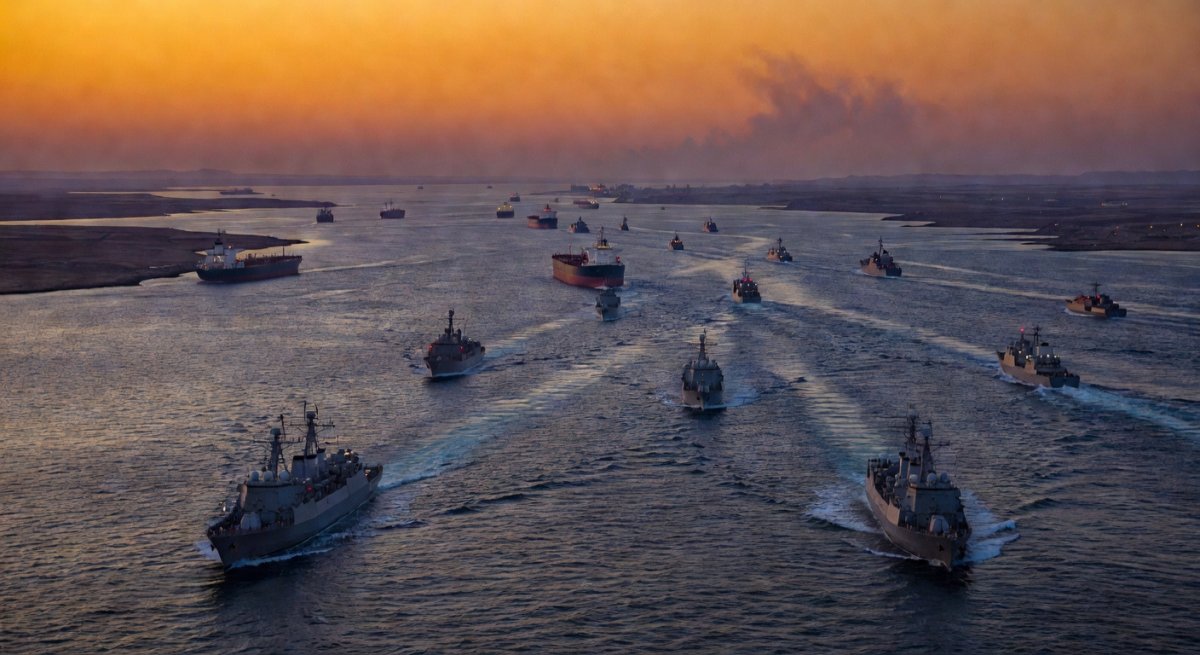
Folks, the Strait of Hormuz just became the latest flashpoint in a war that has now dragged on for a full 100 days, and I am telling you straight up that this conflict is hitting American households where it hurts most. US Central Command shot down two Iranian one-way attack drones threatening international shipping lanes, then struck back at Iranian coastal radar sites. Iran responded by firing ballistic missiles toward Bahrain and Kuwait, only to see those intercepted, while Bahrain's government pleaded for Iran to stop targeting Gulf neighbors. Iranian Deputy Parliament Speaker Ali Nikzad called the strait "Iran's nuclear bomb," and today marks the grim 100-day mark of this US-Iran war. If you're as fired up as I am about what this means for our families and our future, stick with me because we are breaking it all down right now.
The Breaking News Hits the Strait of Hormuz
US forces acted decisively when those two Iranian drones appeared over the vital waterway that carries roughly 20 percent of global oil transit. Central Command neutralized the threat to maritime shipping before it could escalate further, then targeted the coastal radar sites feeding the attacks. This sequence unfolded in hours, showing how quickly tensions can spiral in one of the world's most critical chokepoints.
Iran's ballistic missile launches toward Bahrain and Kuwait followed almost immediately, testing regional defenses that fortunately held firm. Bahrain's government issued a direct call for Iran to halt these strikes on its Gulf neighbors, underscoring how the fighting is pulling in multiple nations. The rhetoric from Tehran only intensified when Deputy Parliament Speaker Ali Nikzad labeled the strait Iran's nuclear bomb, a phrase that reveals the strategic leverage they believe they hold.
These events on June 6 and 7, 2026, did not come out of nowhere. They mark the latest chapter in a war that has already reshaped daily life for millions. The rapid back-and-forth demonstrates that neither side is backing down, even as the calendar hits this somber milestone.
One Hundred Days of War and What It Really Means
Reaching the 100-day mark forces us to confront the reality that this conflict shows no signs of winding down. Newsweek reported that these first 100 days exposed US vulnerability in ways that military planners had not fully anticipated. The fighting has dragged on with fresh strikes continuing despite earlier claims of progress, leaving families across America wondering when the cycle will break.
Peace talks remain stalled with no concrete word on ending the war. Iran continues to insist that any deal must be tied to a ceasefire in Lebanon, creating a linkage that complicates every negotiation. This condition has become a major sticking point, turning what might have been bilateral discussions into a broader regional puzzle.
Former US ambassador comments to Newsweek highlighted that the problem is not our military capability but the political decisions guiding the effort. That distinction matters because it points to deeper issues in how the United States has managed the campaign from the start. One hundred days in, the absence of a clear off-ramp leaves everyone on edge.
Trump's Decapitation Claim Meets Continued Strikes
President Trump has repeatedly claimed that Iran is virtually decapitated, yet the fresh drone and missile activity tells a different story. These strikes prove that Iranian capabilities remain active and dangerous, directly contradicting the narrative of total collapse. The disconnect between official statements and battlefield developments is eroding public trust at home.
Continued operations over the Strait of Hormuz show that leadership structures in Tehran are still functioning enough to coordinate attacks on shipping lanes. This reality clashes with the idea that the conflict is nearing a decisive conclusion. Instead, the war appears to be settling into a dangerous rhythm of action and reaction.
The gap between rhetoric and results is fueling domestic frustration. Low support for the war among American voters reflects this frustration, as people see the costs mounting without a matching victory. Political decisions made early in the conflict now shape every new development.
The Human Cost and Military Toll on Both Sides
Beyond the headlines, 100 days of fighting have taken a real toll on service members and their families. Deployments have stretched resources thin, with personnel rotating through high-threat zones around the Gulf. The military strain includes not just combat losses but also the wear on equipment and morale that comes from prolonged operations.
Iranian forces have absorbed significant hits, yet the ability to launch drones and missiles persists. This resilience suggests that the human cost inside Iran is also rising, even if exact figures remain unclear. Both sides are paying a price that goes far beyond the initial expectations of a short campaign.
The broader human impact includes displaced civilians in the region and the psychological burden on troops who expected a different timeline. One hundred days later, the military toll is visible in everything from supply chain pressures to the emotional weight carried by families waiting for loved ones to return.
How the War Hits American Families Through Gas Prices and Economic Strain
The Strait of Hormuz carries about 20 percent of global oil transit, so disruptions here directly affect what Americans pay at the pump. With the war now at 100 days, energy markets have grown volatile, pushing prices higher and squeezing household budgets. Families already dealing with inflation now face an added layer of uncertainty every time they fill up.
OPEC is considering boosting oil production to offset the war's impact, but any increase takes time to reach consumers. In the meantime, the economic strain shows up in higher transportation costs that ripple through groceries, goods, and services. This is not abstract policy; it is the reality for working families across the country.
Trump's low domestic support for the war stems partly from these visible economic pressures. Voters see the connection between continued fighting and their monthly expenses, and they are voicing their concerns at the ballot box and in town halls. The longer the conflict lasts, the heavier this burden becomes.
Why Peace Talks Keep Failing Over the Lebanon Linkage
Iran's insistence that any peace deal must include a Lebanon ceasefire has become the central obstacle to progress. This condition ties the US-Iran conflict to a separate but related theater, making negotiations far more complex than a simple bilateral agreement. Every round of talks hits this wall and stalls.
The linkage reflects Iran's broader regional strategy, where influence in Lebanon serves as leverage. Without movement on that front, Tehran sees little incentive to compromise on the Gulf issues. This approach has kept diplomats at an impasse even as the 100-day mark passes.
Fragile ceasefire efforts remain under constant threat because of this unresolved connection. Until both sides find a way to address the Lebanon dimension, the prospects for a lasting agreement look dim. The failure to break this deadlock keeps the entire region on edge.
How the Conflict Is Reshaping Global Alliances
China and Israel have gained strategically while US standing in the Middle East has taken a hit. Beijing has positioned itself as a potential mediator and energy partner, filling gaps left by American focus on military operations. This shift could have lasting effects on influence across the region.
Israel has strengthened its security posture amid the chaos, while the United States faces questions about its reliability as a partner. The 100 days of war have accelerated these realignments, with countries hedging their bets rather than committing fully to any single side. The result is a more fragmented landscape.
These changes matter because they affect long-term stability and economic ties. A weakened US position could invite further challenges, while China's gains give it new leverage in energy markets and diplomacy. The war is rewriting the map of alliances in real time.
Historical Context and Comparisons to Past Middle East Conflicts
This 100-day war echoes earlier US engagements in the region, from the 1991 Gulf War to the longer Iraq and Afghanistan campaigns. Those conflicts also began with clear military objectives but evolved into drawn-out struggles shaped by political constraints. The current fighting follows a familiar pattern of initial strikes giving way to sustained pressure.
Unlike the quick victory in 1991, this war has exposed vulnerabilities similar to those seen in later operations where political decisions limited full military application. The problem, as noted by former ambassadors, lies less in hardware and more in strategy. History shows that such mismatches prolong conflicts and raise costs.
Comparing timelines reveals that 100 days is still early relative to some past wars, yet the economic and alliance shifts are already significant. Learning from those earlier experiences could help avoid repeating the same traps, but so far the signs point to familiar challenges repeating themselves.
What Happens Next: Escalation Risks and Ceasefire Possibilities
Escalation risks remain high as long as both sides continue testing each other's red lines in the Strait of Hormuz and beyond. Fresh strikes could trigger wider responses, especially if oil flows are further disrupted. The next 100 days could look very different depending on decisions made in the coming weeks.
Ceasefire possibilities hinge on resolving the Lebanon linkage and rebuilding trust after months of fighting. Without progress there, any temporary halt could collapse quickly. Regional players like Bahrain are already urging restraint, but their voices need broader support to gain traction.
The path forward requires honest assessment of what has and has not worked so far. Political leadership must align military actions with achievable goals, or the war risks becoming another open-ended commitment.
What You Can Do Right Now to Push for Accountability
Contact your representatives and demand they address the economic strain on families caused by this prolonged conflict. Ask them to press for transparent updates on peace talks and the true costs in lives and dollars. Public pressure has shifted policy before, and it can again.
Stay informed through multiple credible sources rather than relying on single narratives about decapitation or quick victories. Share verified information with your networks so the conversation stays grounded in facts. An engaged public is harder to ignore when decisions about war and peace are on the table.
Support organizations tracking energy market impacts and humanitarian needs in the region. Every action, from voting to advocacy, adds up when the stakes involve 20 percent of global oil transit and the stability of American households. The next chapter of this war is still being written, and your voice belongs in it.
By Jessica Ali, Staff Writer
This article was produced with AI-assisted research and editorial support. Reporting is based on sources cited in the article.
What's Your Reaction?
 Like
0
Like
0
 Dislike
0
Dislike
0
 Love
0
Love
0
 Funny
0
Funny
0
 Wow
0
Wow
0
 Sad
0
Sad
0
 Angry
0
Angry
0

Editor-in-Chief at Global1.News. Atlanta-based journalist who cuts through the BS and tells it like it is. Lead anchor, host, and the voice you hear when the spin stops and the truth starts.












Comments (0)