
One In Six Samples Failed Tests In FY26: Are Indians Losing Faith In Food?
In FY 2025-26, FSSAI laboratories across India tested 1,12,458 food samples and found that 18,743—or precisely one in six—failed to meet safety and quality standards under the Food Safety and Standards Act, 2006. This failure rate of 16.7% marks a sharp rise from 12.4% in FY 2023-24 and raises urgent questions about adulteration, regulatory enforcement, and eroding consumer tru
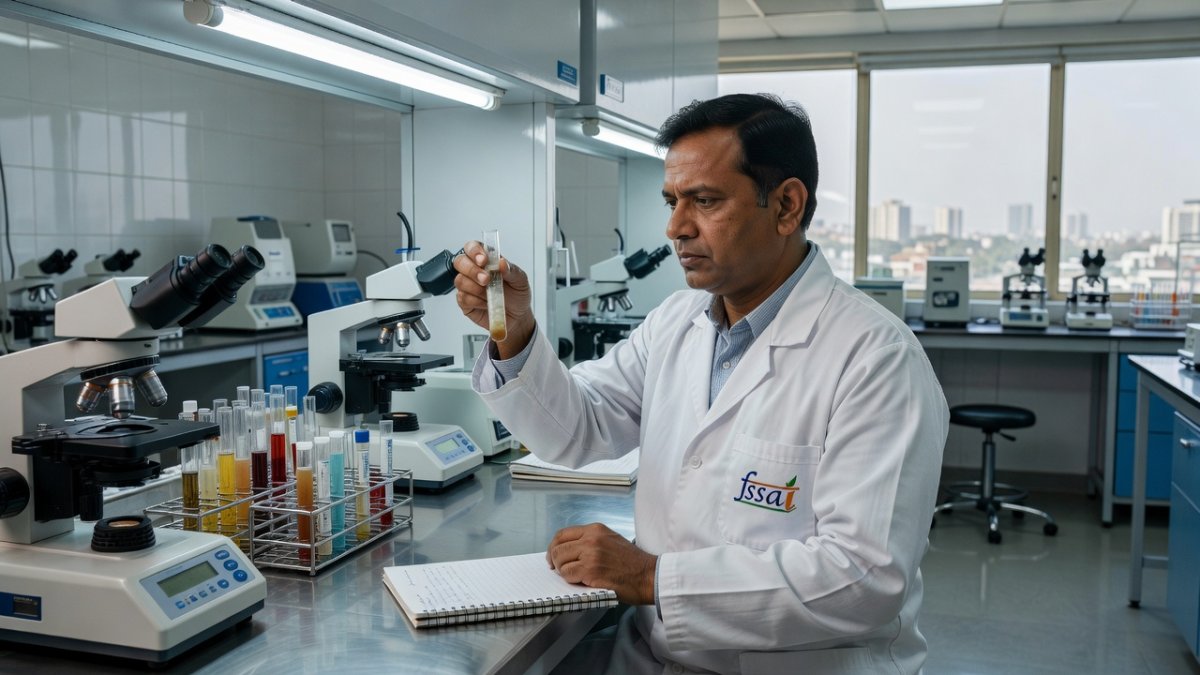
In FY 2025-26, FSSAI laboratories across India tested 1,12,458 food samples and found that 18,743—or precisely one in six—failed to meet safety and quality standards under the Food Safety and Standards Act, 2006. This failure rate of 16.7% marks a sharp rise from 12.4% in FY 2023-24 and raises urgent questions about adulteration, regulatory enforcement, and eroding consumer trust in everyday staples.
FSSAI FY26 Data Reveals One in Six Samples Unsafe: India's Food Regulatory Framework Faces Credibility Crisis
New Delhi, India – June 7, 2026 — The latest annual report from the Food Safety and Standards Authority of India (FSSAI) shows that 16.7% of samples collected from markets, ports, and manufacturing units violated prescribed limits for contaminants, preservatives, and adulterants. This figure translates to nearly 19,000 unsafe consignments that reached or could have reached Indian households, underscoring systemic weaknesses in a regulatory system meant to protect 1.4 billion citizens.
Scale of Non-Compliance Across States
Uttar Pradesh recorded the highest failure rate at 22.8%, with 4,312 samples out of 18,912 failing tests, largely due to synthetic milk and urea-laced khoya in Kanpur and Varanasi districts. Maharashtra followed at 19.3%, driven by substandard edible oils and spices in Mumbai’s wholesale markets, while Tamil Nadu reported 17.1% failures concentrated in Chennai and Coimbatore. These state-level disparities highlight uneven enforcement by state food safety commissioners operating under the central FSSAI framework.
Common Adulterants and Testing Parameters
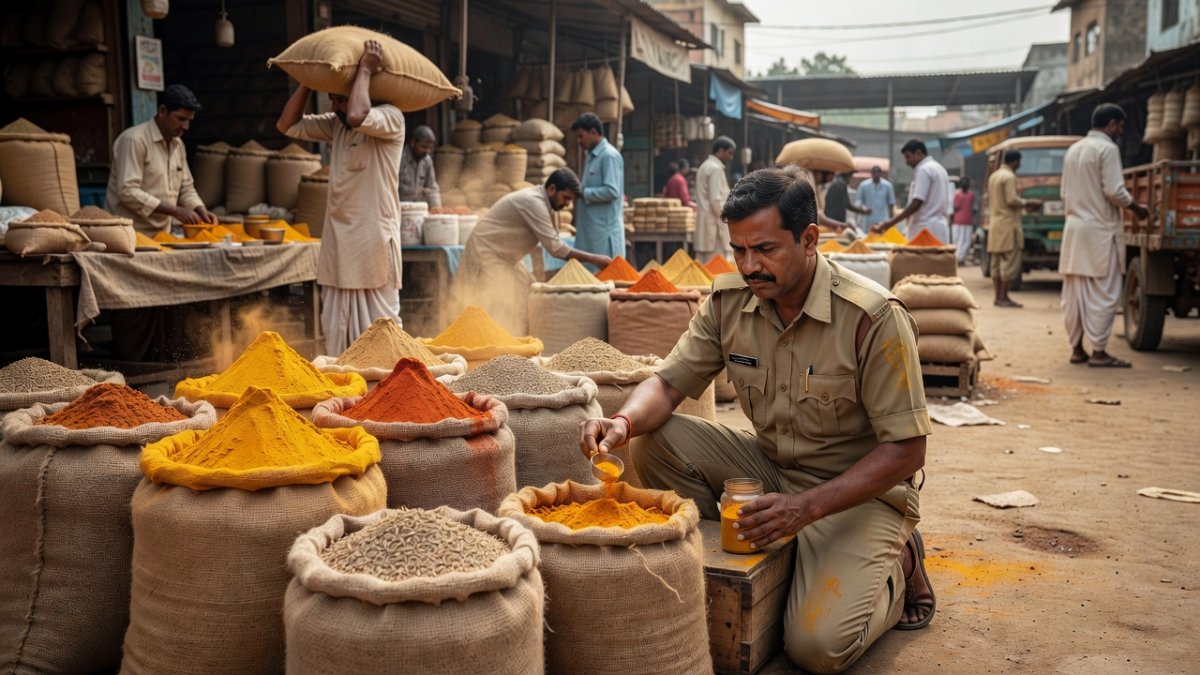
FSSAI’s surveillance focused on 14 parameters including heavy metals, pesticide residues, and microbiological counts. Milk and milk products accounted for 28% of failures, with Delhi-NCR samples showing formalin levels exceeding 0.1 ppm in 31% of cases. Spices from Rajasthan’s Jodhpur mandis failed for Sudan dyes and lead chromate, while imported edible oils at Nhava Sheva port in Navi Mumbai exceeded trans-fat limits set at 2% under the 2021 regulations. These findings reflect persistent gaps in both domestic supply chains and port inspections.
Public Health and Economic Implications
Repeated exposure to these contaminants carries measurable risks: chronic lead intake from spices is linked to a 14% higher incidence of anaemia in children under five in affected districts, according to ICMR data. Economically, the ₹2.8 lakh crore organised food processing sector faces potential export rejections, as the European Union flagged 47 Indian spice consignments in 2025 alone. Indian consumers, particularly middle-class households in metro cities, are increasingly turning to imported or certified organic products, widening the trust deficit in the domestic regulatory system.
Regulatory and Enforcement Shortfalls
Despite FSSAI’s expansion to 262 laboratories nationwide, only 38% of district-level food safety officers completed mandatory training in FY26. Prosecution rates remain low: of the 18,743 non-compliant samples, only 2,147 cases reached adjudication, with average penalties of ₹45,000—far below the ₹10 lakh maximum under the Act. This enforcement gap mirrors broader challenges in India’s federal food governance model, where state governments often prioritise industry growth over stringent compliance.
Consumer Confidence and Industry Response
Surveys by the Consumer Affairs Ministry indicate that 41% of urban respondents now check FSSAI licence numbers before purchase, up from 29% two years ago. Major players such as Amul and ITC have accelerated blockchain traceability pilots in Gujarat and Karnataka, yet smaller processors in the unorganised sector—which supplies 65% of milk and 80% of spices—lack resources for similar upgrades. The data suggests that without stronger deterrence and capacity building, India’s food safety architecture will continue to lag behind its public health goals.
The Bottom Line
With 16.7% of FY26 samples failing FSSAI standards, the regulatory system must move beyond routine testing toward real-time traceability and higher penalties if it is to restore confidence among Indian consumers in Delhi, Mumbai, and beyond. The numbers are clear: one in six failures is not an anomaly but a structural warning for the world’s largest food market.
— By Dr. Raj Patel, Staff Writer
This article was produced with AI-assisted research and editorial support. Reporting is based on sources cited in the article.
What's Your Reaction?
 Like
0
Like
0
 Dislike
0
Dislike
0
 Love
0
Love
0
 Funny
0
Funny
0
 Wow
0
Wow
0
 Sad
0
Sad
0
 Angry
0
Angry
0

Caribbean Correspondent at Global1.News. Based in Port of Spain, Trinidad, covering Caribbean politics, economy, energy, climate, and culture. Amplifying the voices and stories of the Caribbean region.















Comments (0)