
US-Iran Deal: Vance Slams Israeli Freakout Over Agreement
The Versailles Memorandum Reshapes Regional Ceasefire US President Donald Trump and Iranian President Masoud Pezeshkian signed a memorandum of understanding on June 17, 2026, at the G7 summit held at the Palace of Versailles. The agreement extends the existing ceasefire by 60 days, reopens the Strait of Hormuz to commercial traffic, creates a $300 billion reconstruction fund fo
The Versailles Memorandum Reshapes Regional Ceasefire
US President Donald Trump and Iranian President Masoud Pezeshkian signed a memorandum of understanding on June 17, 2026, at the G7 summit held at the Palace of Versailles. The agreement extends the existing ceasefire by 60 days, reopens the Strait of Hormuz to commercial traffic, creates a $300 billion reconstruction fund for Iran, ends US sanctions, and lifts the US naval blockade of Iranian ports. Iran committed to downblending enriched uranium under IAEA supervision and reaffirmed it shall not develop nuclear weapons.
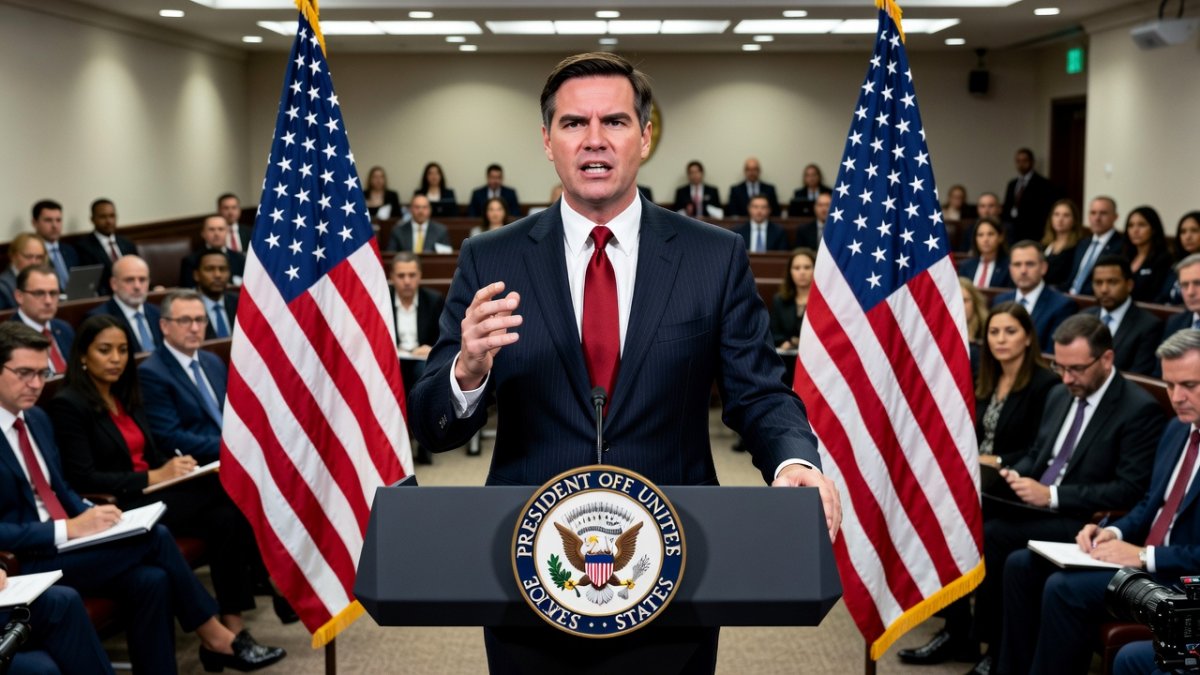
JD Vance Condemns Israeli Reaction at White House Briefing
At a White House press briefing on June 18, Vice President JD Vance directly addressed Israeli criticism of the deal. He described the response as a “freakout” and “weird panic,” telling Israeli critics that “Donald J Trump is the only head of state in the entire world who is sympathetic to the nation of Israel.” Vance also referenced the $4 billion in annual US military aid provided to Israel and singled out Israeli ministers Itamar Ben-Gvir and Bezalel Smotrich for their opposition. Anonymous Israeli officials described the deal terms as bad for Israel’s security interests.
Lebanon Frontline Sees Renewed Violence After Agreement
Hours after the Versailles signing, Israeli strikes in southern Lebanon killed 18 people. Israel reported its first soldier fatalities since the deal took effect. These incidents illustrate how quickly localized conflicts can test the new 60-day ceasefire window. Hezbollah and Israeli forces remain in close proximity, and any escalation risks drawing in Iranian-backed networks across the Levant.
Gulf States Weigh Economic and Security Trade-offs
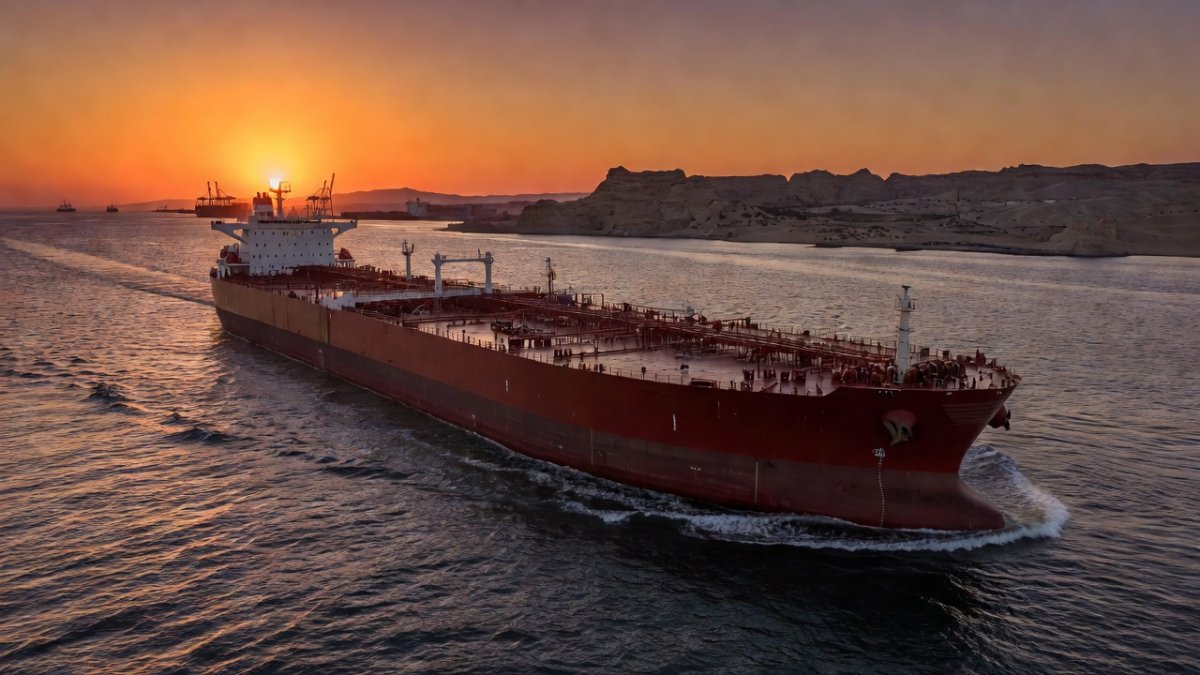
The $300 billion reconstruction fund and sanctions relief position Iran to increase oil exports once the naval blockade ends. Brent crude prices dipped roughly 1 percent to $78.79 per barrel immediately after the announcement. Gulf Cooperation Council states, particularly Saudi Arabia and the UAE, now face a more competitive Iranian energy sector while pursuing their own diversification plans away from hydrocarbons. Iranian Parliament Speaker Mohammad Bagher Ghalibaf stated that “the agreement is a record of US failure,” signaling Tehran’s intent to extract maximum economic advantage during the 60-day period.

Strait of Hormuz Fees and Energy Market Realignment
Iran announced that the Strait of Hormuz will begin charging transit fees after the initial 60-day window. This move directly affects shipping lanes that carry roughly one-fifth of global oil trade. Saudi Arabia’s sovereign wealth funds, already valued at several trillion dollars across the Gulf, may accelerate investments in alternative routes and downstream projects to limit exposure. The fee structure also gives Iran new leverage in future negotiations over sanctions relief extensions.
US Credibility and Israeli-Iranian Strategic Calculus
The deal tests long-standing US commitments to Israel while offering Iran a path to economic recovery without immediate nuclear breakout. Israeli officials must now decide whether to accept the $4 billion aid relationship under a US administration willing to negotiate directly with Tehran or pursue independent military options. For Gulf Arab states, the agreement highlights the limits of relying solely on Washington for security guarantees amid shifting great-power competition involving China and Russia in the region. Sunni-Shia dynamics remain central, as any sustained Iranian economic revival could alter proxy calculations in Lebanon, Syria, and Iraq.
If the 60-day extension holds and IAEA monitoring proceeds without obstruction, the memorandum could freeze the nuclear file temporarily. However, second-order effects on Israeli domestic politics and Iranian regional assertiveness will likely shape Middle East alignments well beyond the current ceasefire period.
By Malik Hassan, Staff WriterThis article was produced with AI-assisted research and editorial support. Reporting is based on sources cited in the article.
What's Your Reaction?
 Like
0
Like
0
 Dislike
0
Dislike
0
 Love
0
Love
0
 Funny
0
Funny
0
 Wow
0
Wow
0
 Sad
0
Sad
0
 Angry
0
Angry
0

Middle East Correspondent at Global1.News. Based in Beirut, covering politics, conflict, energy, and society across the Middle East. Brings context and depth to a region often reduced to headlines.











Comments (0)