
US and Iran Trade Strikes for Second Night as Trump Declares Ceasefire 'Over'
<p>In a recent i24NEWS English report titled "The US enters a second night of strikes against Iran," the video detailed the US military's launch of additional operations against Iranian targets on the night of July 8-9, 2026, following an initial round the previous evening.</p> <hr> <p><strong>US and Iran Trade Strikes for Second Night as Trump Declares Ceasefire 'Over'</strong></p> <p><strong>Jerusalem, Israel - July 9, 2026</strong> - <h2>On the Ground</h2> <p>The US Central Command conducte

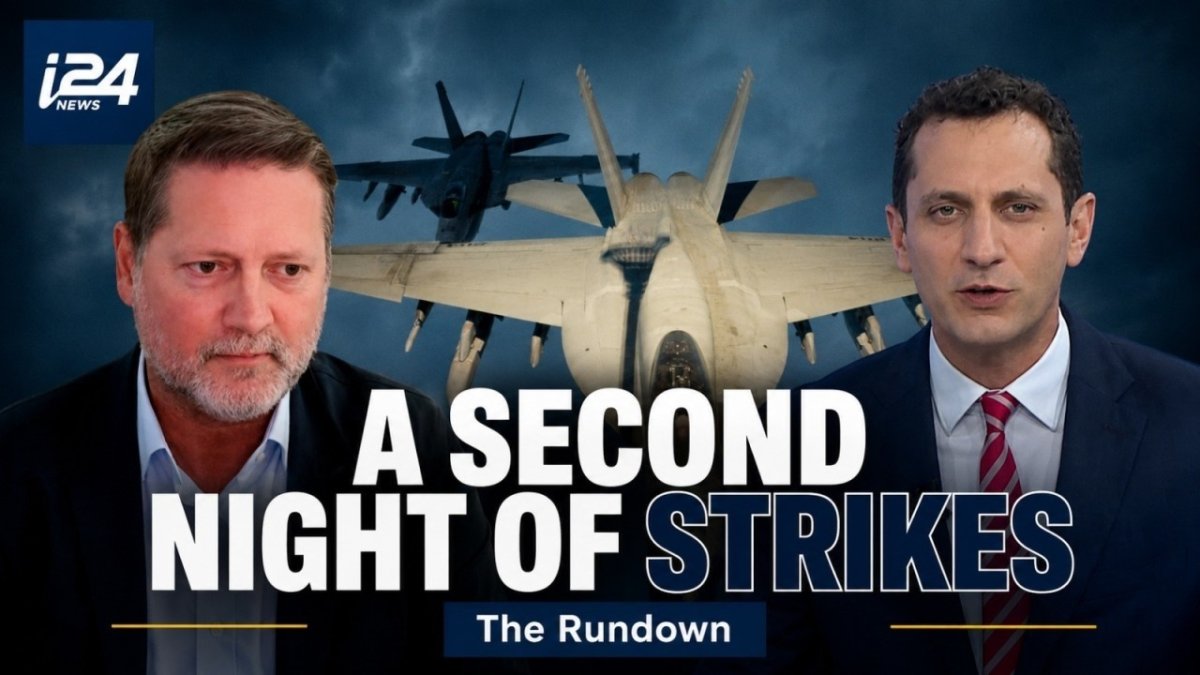
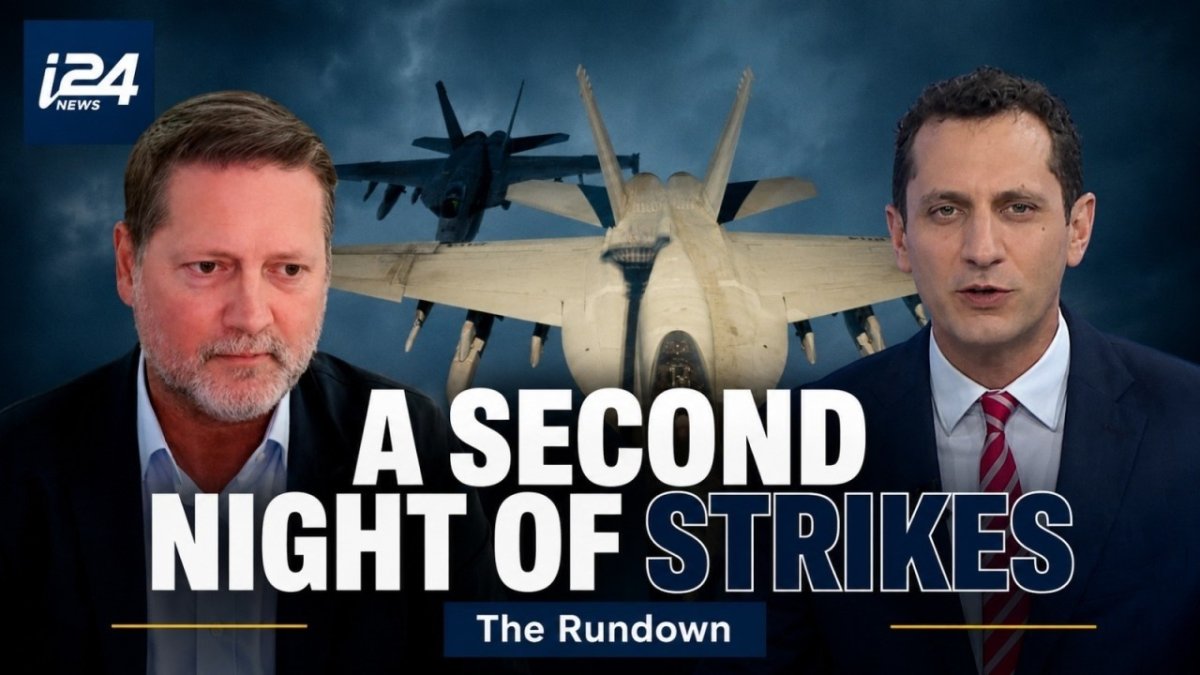
In a recent i24NEWS English report titled "The US enters a second night of strikes against Iran," the video detailed the US military's launch of additional operations against Iranian targets on the night of July 8-9, 2026, following an initial round the previous evening.
US and Iran Trade Strikes for Second Night as Trump Declares Ceasefire 'Over'
Jerusalem, Israel - July 9, 2026 -
On the Ground
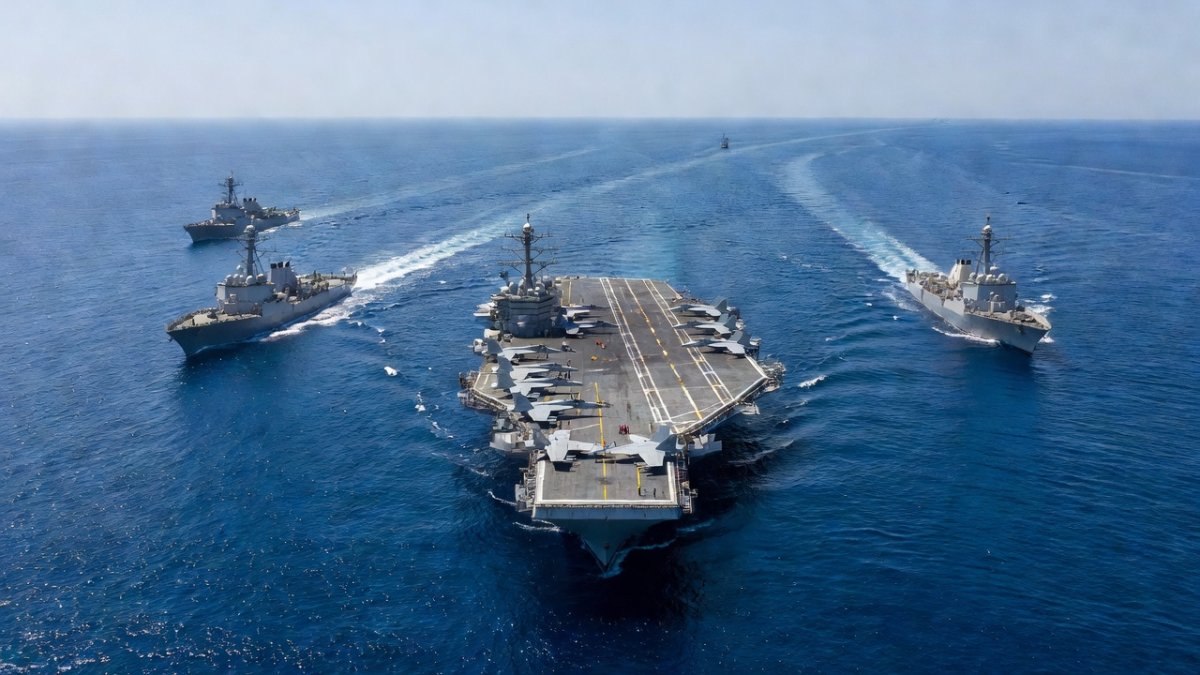
The US Central Command conducted strikes on approximately 90 Iranian military targets during the second night of operations, adding to the 80 sites hit the night before. These actions specifically aimed to degrade Iran's capacity to threaten freedom of navigation in the Strait of Hormuz.
Iran responded by launching attack drones toward US assets located in Kuwait, Bahrain, and Qatar. Kuwait's Ministry of Defense reported that its forces intercepted four missiles and ten drones, with one person injured by falling debris from the interceptions.
Jordan's air defenses intercepted eight missiles fired from Iran during the overnight period. Iran's Health Ministry stated that 14 people were killed and 78 injured across five provinces as a result of the US strikes, with power lines in Chabahar County in southeastern Iran temporarily disrupted.
The June 17 Memorandum of Understanding that established a 60-day ceasefire now appears to have collapsed amid the renewed exchanges. Iran is scheduled to bury its late Supreme Leader Ali Khamenei in Mashhad on Thursday.
Israel's Strategic Position
Israeli officials in Jerusalem and Tel Aviv are bracing for the potential restart of broader conflict following the breakdown of the interim ceasefire. The IDF has maintained heightened alert levels along the northern border with Lebanon and in the West Bank, monitoring for any spillover from the US-Iran exchanges.
Security assessments from the Prime Minister's Office and Shin Bet indicate that Iranian-backed groups such as Hezbollah could exploit the situation to launch attacks toward Israeli territory. Mossad continues to track Iranian military movements that might affect Israeli interests in the region.
The strikes near the Strait of Hormuz raise direct concerns for Israel's energy security and supply lines, given the country's reliance on stable maritime routes through the Red Sea and beyond. Israeli defense planners in the IDF General Staff are reviewing contingency measures for potential disruptions.
Regional Context
The back-and-forth strikes between the United States and Iran directly threaten the interim deal intended to end the wider Middle East war that has involved multiple fronts since October 2023. Qatar's Foreign Minister publicly condemned Iranian attacks on vessels in the Strait of Hormuz, highlighting risks to regional shipping lanes.
Egypt denounced the Iranian attacks on Bahrain and Kuwait as a dangerous escalation that could destabilize the Gulf region. These developments occur against the backdrop of ongoing tensions involving Hamas in Gaza and Hezbollah in southern Lebanon, both of which maintain close ties to Tehran.
US envoy Steve Witkoff and Jared Kushner held discussions in Doha at the end of June with mediators, though no high-level talks with Iranian officials took place. The collapse of the June 17 agreement now leaves the Palestinian Authority and other regional actors facing renewed uncertainty over security arrangements.
Diplomatic and International Reactions
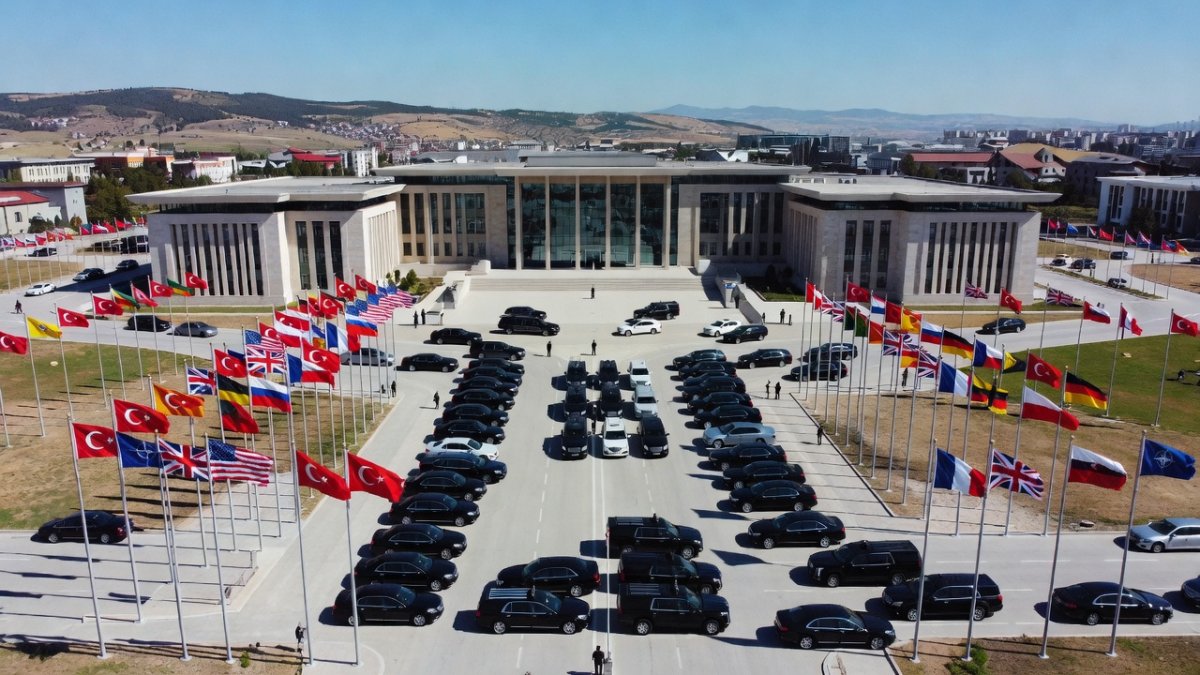
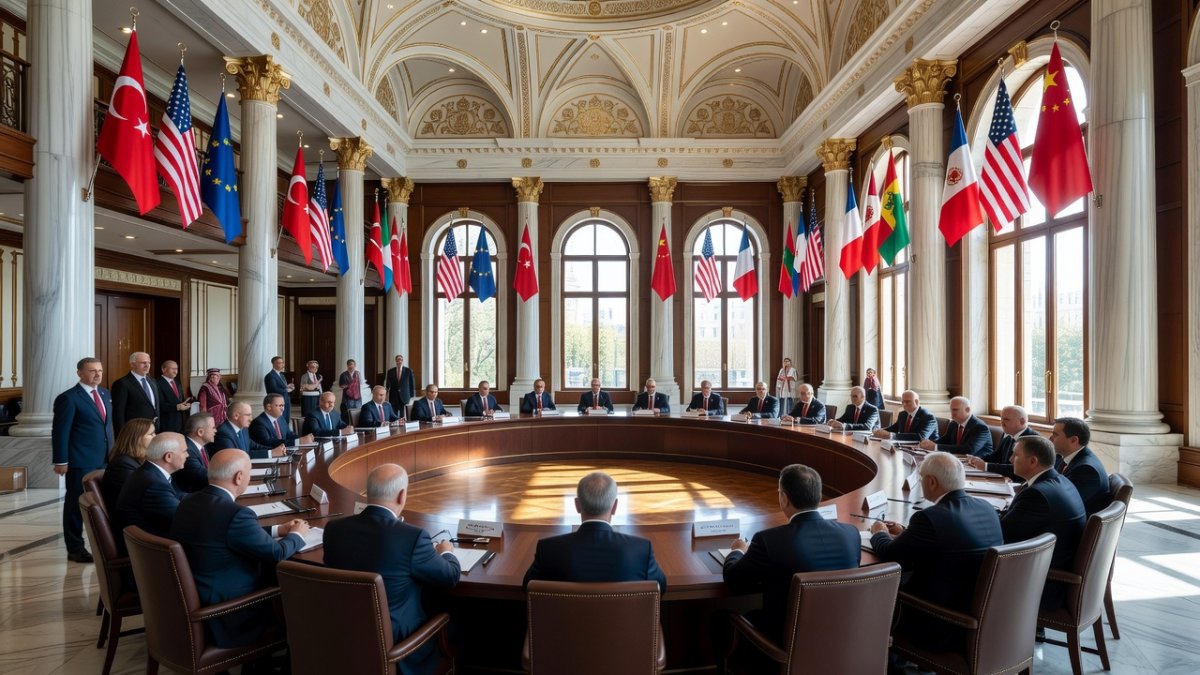
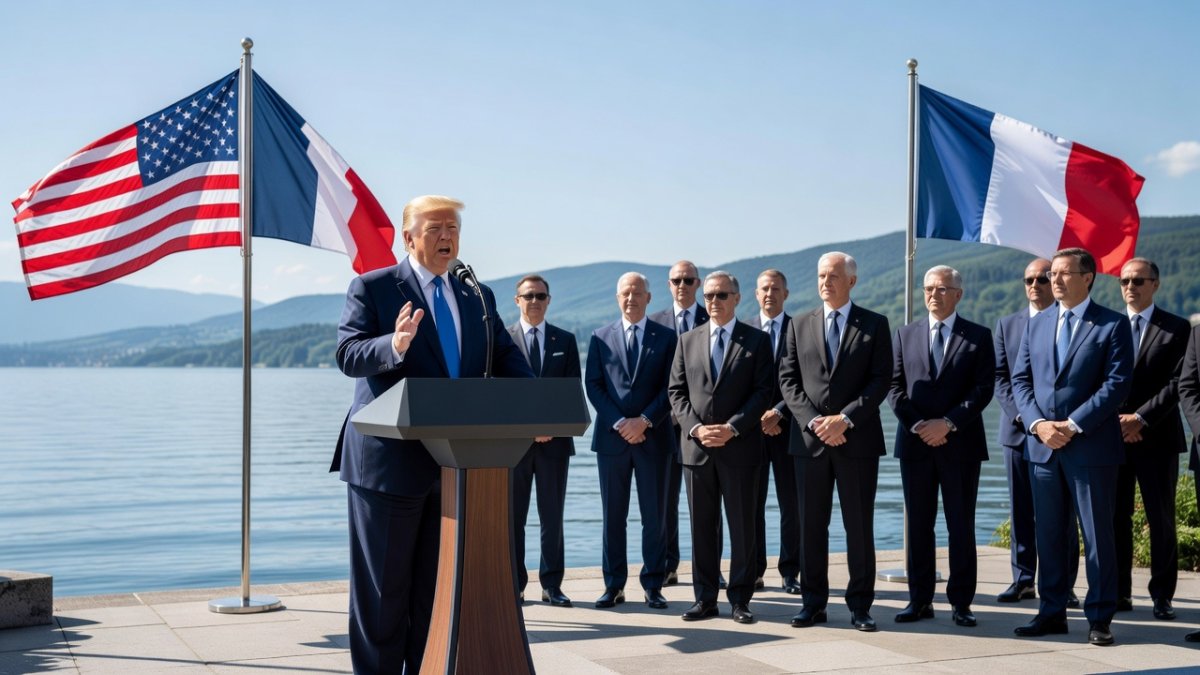
At the NATO summit in Ankara, President Trump declared the interim ceasefire over and described Iran's leaders as scum and sick people, warning that the US response will get much worse if attacks continue. This statement followed the second night of US strikes on Iranian military assets.
Regional governments including those in Kuwait, Bahrain, and Jordan have focused on defensive measures, with successful interceptions reported in multiple capitals. Egypt's condemnation of the attacks on Gulf states underscores the widening diplomatic fallout across the Arab world.
The involvement of US personnel and facilities in Kuwait, Bahrain, and Qatar has prompted fresh consultations between Washington and its Gulf partners, many of whom maintain security cooperation agreements with Israel through the Abraham Accords framework.
Analysis and What This Means
The renewed US strikes on 90 additional Iranian targets signal a deliberate effort to limit Tehran's ability to project power through the Strait of Hormuz, a chokepoint that carries significant implications for global energy markets and Israeli economic stability. The Iranian drone attacks on US positions in Kuwait, Bahrain, and Qatar demonstrate Tehran's willingness to expand the conflict geographically.
For Israel, the collapse of the June 17 Memorandum of Understanding increases the risk that Iranian proxies in Gaza, the West Bank, and Lebanon will receive renewed operational freedom. The IDF and Shin Bet are prioritizing intelligence collection on potential Iranian orders to these groups in the coming days.
The burial of Supreme Leader Ali Khamenei in Mashhad on Thursday may serve as a focal point for Iranian domestic messaging, yet the leadership transition occurs amid active military exchanges that could shape the next phase of regional confrontation. Jordan's interception of eight Iranian missiles highlights the broader defensive network now active across multiple borders.
Power disruptions in Chabahar County illustrate the immediate domestic effects inside Iran, while the casualty figures of 14 killed and 78 injured across five provinces provide concrete measures of the strikes' impact. These developments collectively point to a rapid deterioration of the fragile arrangements that had briefly reduced hostilities across the Middle East.
Israeli security officials view the current trajectory as a direct challenge to the country's deterrence posture, particularly as US operations continue without clear diplomatic off-ramps. The involvement of multiple Gulf states in the defensive response further complicates the strategic picture for Jerusalem as it coordinates with Washington on next steps.
By Hannah Berg, Staff WriterWhat's Your Reaction?
 Like
0
Like
0
 Dislike
0
Dislike
0
 Love
0
Love
0
 Funny
0
Funny
0
 Wow
0
Wow
0
 Sad
0
Sad
0
 Angry
0
Angry
0











Comments (0)