
Tunisia's Tabarka Jazz Festival Returns After Six-Year Hiatus with Dee Dee Bridgewater
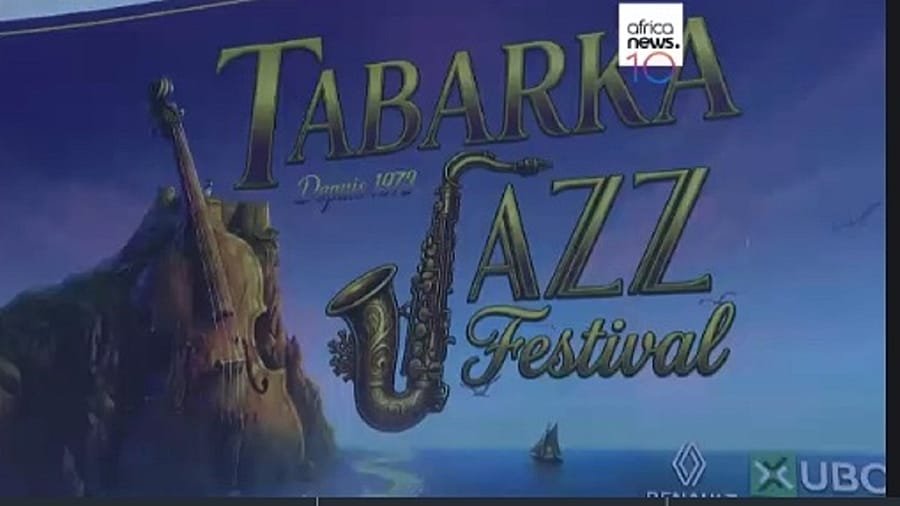
After a six-year hiatus, Tunisia's legendary Tabarka Jazz Festival has returned, bringing world-class jazz back to the Mediterranean's Coral Coast and reviving a decades-old cultural tradition. The event draws music lovers from across North Africa and beyond to the northwest Tunisian town of Tabarka. Crowds gather once more to celebrate sounds that echo through oak forests and
After a six-year hiatus, Tunisia's legendary Tabarka Jazz Festival has returned, bringing world-class jazz back to the Mediterranean's Coral Coast and reviving a decades-old cultural tradition. The event draws music lovers from across North Africa and beyond to the northwest Tunisian town of Tabarka. Crowds gather once more to celebrate sounds that echo through oak forests and along Mediterranean beaches.
Tunisia's Tabarka Jazz Festival Returns After Six-Year Hiatus with Dee Dee Bridgewater
Tabarka, Tunisia — This marks the 20th edition of the Tabarka Jazz Festival, which ran from July 2 to July 9 2026 and signals the revival of a cherished North African cultural institution first launched in 1973. The week-long programme covering multiple days features international and Tunisian artists at open-air venues. The return after the last edition around 2019-2020 reconnects the Coral Coast with its jazz heritage while boosting regional pride.
A Historic Return to the Coral Coast
The Tabarka Jazz Festival first launched in 1973 and built a reputation across North Africa before falling silent for six years after its last edition around 2019-2020. Local musicians and visitors alike felt the absence keenly during those quiet summers along the Mediterranean coast.
On July 2 2026 the opening concert by the sea carried an emotional charge as audiences filled the open-air Théâtre de la Mer. The atmosphere mixed anticipation with relief that the tradition had survived the long pause.
A free open-air concert on the first night drew thousands of locals and international visitors who danced under the stars. The event set the tone for a week of continuous music that wrapped up on July 9 2026.
The full schedule spanned seven days with performances every evening and afternoon sessions that highlighted both established names and emerging talents. Organizers ensured the programme covered multiple days without gaps to honor the festival's legacy.
Reviving a festival first launched in 1973 carries deep meaning for Tunisians who see jazz as part of their modern cultural identity. The 20th edition milestone underscores how the event has endured political changes and economic shifts while remaining a beacon for the region.
Tabarka sits in northwest Tunisia on the Mediterranean coast and the return of live jazz reclaims its place as a gathering point for creative communities across the continent.
Dee Dee Bridgewater and a Stellar International Lineup
Three-time Grammy winner Dee Dee Bridgewater headlined the 2026 edition and brought her signature warmth to the stage. Her performance blended classic standards with African rhythms that resonated with the diverse crowd.
Dee Dee Bridgewater shared her thoughts on the revival saying "I'm really pleased that the festival has been revived this year because I heard it hadn't taken place for six years. So I'm very happy to be part of this new edition."
The Liz McComb Quintet delivered a gospel-influenced jazz set that felt like a celebration of peace and love. Their harmonies floated across the open-air venue and invited the audience to sing along during the final numbers.
Other international and Tunisian artists filled the week-long event with sets that ranged from straight-ahead jazz to fusion experiments. The festival has expanded beyond jazz to include world and contemporary music over the years while keeping its core sound intact.
A diverse international audience from around the world attended the concerts and mingled with local families in the streets. Media outlets including TAP News Agency La Presse RFI Musique and TV5Monde covered the performances extensively.
Free street jazz performances every evening spilled into the town squares and kept the music flowing long after the main stage lights dimmed. These informal sessions created spontaneous moments of connection between visiting musicians and Tabarka residents.
The Théâtre de la Mer: Where Music Meets Mediterranean Magic
The unique open-air Théâtre de la Mer venue sits directly on the water's edge and offers unobstructed views of the Mediterranean. Its natural acoustics carry melodies across the waves and into the surrounding hills.
Tabarka known as the Coral Coast lies nestled between oak forests and Mediterranean beaches. The setting creates a sensory backdrop where the scent of salt air mixes with the sound of saxophones and drums.
The venue amplifies the music experience by allowing audiences to feel both the performance and the gentle sea breeze. Performers often speak of the special energy that comes from playing with the horizon as their backdrop.
During festival week the town transforms as cafés extend their terraces and local artisans set up stalls along the promenade. The once-quiet streets fill with color and conversation from morning until late at night.
This coastal northwest Tunisian town becomes a gathering point for jazz lovers worldwide who return year after year to experience the blend of culture and nature. The 2026 edition reminded everyone why Tabarka holds such a special place in the hearts of music fans.
The combination of historic architecture and natural beauty makes the Théâtre de la Mer more than just a stage. It serves as a living symbol of how North African coastal communities have long welcomed global artistic traditions.

Economic Revival Through Culture and Tourism
The festival plays a central role in reviving tourism across the Tabarka region after years of reduced visitor numbers. Hotels and guesthouses reported full bookings for the first time since the hiatus began.
Mohamed Mehdi Haloui Director General of the Tunisian National Tourist Office stated "It's a very very good thing because we're bringing the Tabarka Festival back to life. So we're reviving tourism across the whole region."
Shopkeeper Faouzi Tarouti described the immediate impact saying "It brings life to the town. People come here and it really gets things moving for us economically. It gives us a bit of breathing space."
The boost to local businesses from international visitors extended to restaurants craft shops and transport services. Many families in Tabarka depend on the annual influx to sustain their livelihoods through the quieter months.
Free street performances every evening drew crowds that lingered afterward to support local commerce. Street vendors selling grilled corn and fresh juices saw steady sales well into the night.
Locals expressed hope that the festival will continue annually without fail. Faouzi Tarouti added "We hope that from now on this festival will be held every year without fail."
A Legacy of Legends: From Miles Davis to Modern Jazz
The festival's deep history since 1973 includes legendary past performers such as Miles Davis Charlie Mingus and The Temptations. These names helped establish Tabarka as a respected stop on the international jazz circuit.
Tabarka's place in North African jazz history remains secure because the event introduced generations of Tunisians to improvisational music. Local musicians credit the festival with shaping their careers and broadening their artistic horizons.
Tunisia's broader jazz tradition draws from both European and African influences and the festival has long served as a bridge between these worlds. The 2026 return reinforced this role at a time when the continent is reclaiming its musical narratives.
The festival has shaped the musical identity of the region by encouraging young artists to blend traditional Tunisian melodies with jazz structures. This creative exchange continues to inspire new compositions each year.
The passing of South African jazz icon Abdullah Ibrahim in June 2026 at age 91 reminded the global community of Africa's profound contributions to the genre. His legacy of spiritual and rhythmic innovation echoed through conversations at Tabarka.
The Montreux Jazz Festival's debut in South Africa's wine country in March 2026 signaled another sign of jazz's African renaissance. Together these events highlight a growing network of festivals that celebrate the continent's rich musical heritage.
What Lies Ahead for Tabarka and North African Jazz
The festival concluded on July 9 2026 with anticipation already building for the 2027 edition. Organizers and artists alike spoke of plans to expand programming while preserving the intimate coastal atmosphere.
The community's hope expressed by locals centers on sustained support from both government and private sponsors. Many residents view the annual return of the festival as essential to Tabarka's future.
The festival's role in Tunisia's cultural tourism strategy continues to grow as officials recognize its power to attract visitors year-round. Partnerships with regional airlines and hotels are already in discussion for future editions.
North African jazz festivals are experiencing a renaissance that mirrors similar movements across the continent. Events like this one strengthen cultural ties and create platforms for cross-border artistic exchange.
Senegal's Saint-Louis Jazz Festival stands as a parallel example of how West African cities have embraced jazz as a vehicle for community development and international dialogue. The two festivals share a spirit of openness and innovation.
The potential for cross-continental collaboration between North and West African jazz scenes offers exciting possibilities. Musicians from Dakar and Tabarka could soon share stages and create new fusions that blend Mbalax grooves with North African scales.
Tabarka's return means a great deal for African cultural revival on the global stage. It proves that even after long silences the continent's creative communities can reclaim their spaces and welcome the world once more.
By Amara Diop, Staff Writer
This article was produced with AI-assisted research and editorial support. Reporting is based on sources cited in the article.
What's Your Reaction?
 Like
0
Like
0
 Dislike
0
Dislike
0
 Love
0
Love
0
 Funny
0
Funny
0
 Wow
0
Wow
0
 Sad
0
Sad
0
 Angry
0
Angry
0

West Africa/Sahel Correspondent at Global1.News. Dakar-based journalist covering politics, security, climate, and development across Francophone and Anglophone West Africa. Tells the stories of a region undergoing profound transformation.













Comments (0)