
Thailand, Malaysia Resolve Seafood Trade Dispute, Reopen Markets
Leaders Meet in Putrajaya to Mend Fisheries Ties Thai Prime Minister Anutin Charnvirakul sat down with Malaysian Prime Minister Anwar Ibrahim in Putrajaya on Thursday during his two-day visit. The two leaders focused first on the fisheries trade dispute that had slowed seafood shipments between the countries earlier this year. Thailand had paused imports of Malaysian sea bass a
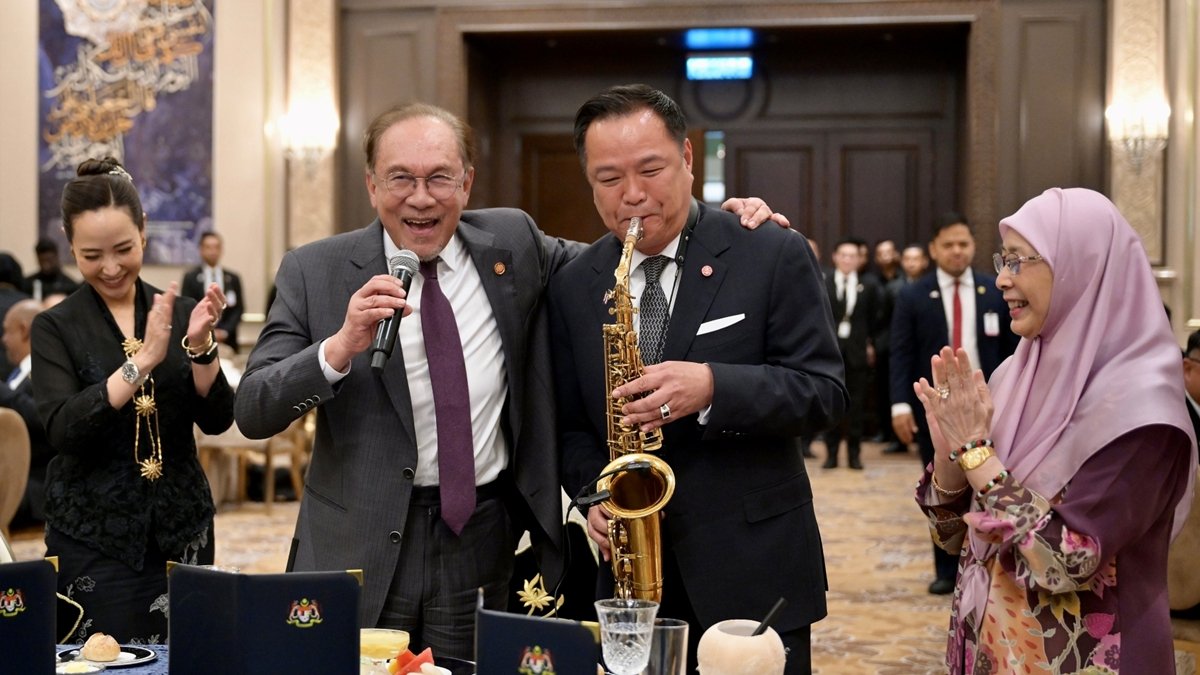
Leaders Meet in Putrajaya to Mend Fisheries Ties
Thai Prime Minister Anutin Charnvirakul sat down with Malaysian Prime Minister Anwar Ibrahim in Putrajaya on Thursday during his two-day visit. The two leaders focused first on the fisheries trade dispute that had slowed seafood shipments between the countries earlier this year.
Thailand had paused imports of Malaysian sea bass after tests showed chemical residues. Malaysia responded with temporary limits on certain Thai shrimp varieties for food safety reasons. Both sides now see a clear path forward after their agriculture ministers reached a shared understanding.
The agreement calls for markets to reopen within one week. This timeline brings immediate relief to fishing communities along Thailand's southern coast and to Malaysian suppliers who rely on steady cross-border sales.
Reopening Markets for Farmers and Seafood Producers
Thai farmers and seafood producers in provinces such as Songkhla and Satun have felt the pinch from the disrupted trade. The swift resolution means fresh shipments of sea bass and shrimp can resume without further delay.
Anwar Ibrahim told reporters after the meeting that the measures would be implemented within one week. Anutin Charnvirakul welcomed the outcome, noting that both governments want to protect the livelihoods of those who work the waters and the fields.
For families in the Isaan region who process and pack seafood for export, the news travels quickly. Steady trade supports local markets and keeps processing plants running at full capacity during the coming months.
New Sadao Checkpoint Opens Trade Gateway
On Friday the two prime ministers will jointly inaugurate the upgraded Sadao border checkpoint in Thailand's Songkhla province together with the Bukit Kayu Hitam crossing on the Malaysian side. This remains the busiest land trade route between the two nations.
The new facilities will speed up the movement of goods and people. Trucks carrying fresh produce and seafood will cross more efficiently, cutting waiting times that have sometimes stretched for hours.
Border communities on both sides have long depended on this gateway. Improved infrastructure supports small traders who move goods daily and helps larger exporters meet delivery schedules across ASEAN supply chains.
Connectivity Projects Link Rail, Ferry and Road Networks
The leaders also committed to several practical steps that will tie the two countries closer together. Plans include resuming the Satun-Kuala Perlis ferry service and integrating ticketing for trains running between Bangkok, Hat Yai and Butterworth.
Work will restart on restoring the Sungai Kolok-Rantau Panjang railway line. A new cross-border bridge is also under discussion to further ease movement of people and cargo.
These links matter for Thai travelers heading to northern Malaysia and for Malaysian visitors exploring southern Thailand. Better connections support tourism in places such as Phuket and Hat Yai while strengthening daily commerce along the border.
Shared Trade Target and Agricultural Cooperation
Both governments set a clear goal of reaching 30 billion in bilateral trade in the near future. They will focus on strengthening supply chains in food security, energy and high-tech industries.
During the visit the prime ministers witnessed the signing of a memorandum of understanding on agricultural cooperation. The agreement covers crops, livestock, fisheries, research, technology transfer, human resource development and food security.
Thai agricultural officials expect the MOU to open doors for joint projects that benefit rice growers in central Thailand and rubber smallholders in the south. Malaysian partners gain access to Thai expertise in fisheries management and crop research.
Regional Stability and Southern Border Priorities
Anwar Ibrahim praised Thailand's ongoing efforts to address the crisis in Myanmar. Both leaders agreed that lasting progress requires constructive engagement by all stakeholders in the region.
Anutin Charnvirakul stressed that ending violence in Thailand's southern border provinces remains a top priority. He noted that economic development and peace-building must advance together for communities in Pattani, Yala and Narathiwat.
The two countries will expand cooperation against transnational crime, drug trafficking and human trafficking. They also established a joint mechanism to manage the Golok River and improve flood warning systems that protect villages on both banks.
Looking Ahead for Thailand and Its Neighbors
The agreements reached in Putrajaya show how steady dialogue can turn trade friction into stronger partnership. Thai farmers, fishers and border traders now have clearer prospects for the months ahead.
Deeper economic ties with Malaysia support Thailand's broader goals within ASEAN. Improved transport links and shared agricultural standards help the entire region move goods more smoothly and respond faster to food security needs.
As the new checkpoint opens on Friday and markets prepare to reopen within the week, communities on both sides of the border can focus on the daily work that sustains families and strengthens ties between the two nations.
By Ann Srisawat, Staff WriterThis article was produced with AI-assisted research and editorial support. Reporting is based on sources cited in the article.
What's Your Reaction?
 Like
0
Like
0
 Dislike
0
Dislike
0
 Love
0
Love
0
 Funny
0
Funny
0
 Wow
0
Wow
0
 Sad
0
Sad
0
 Angry
0
Angry
0

Southeast Asia Correspondent at Global1.News. Based in Bangkok, covering Thai and Southeast Asian politics, economy, technology, and culture. Deep regional perspective on one of the world's most dynamic regions.














Comments (0)