
Cuba's Third Nationwide Blackout: Energy Crisis, US Sanctions, and Latin America's Shared Vulnerabilities
Protests Erupt as Cuba Faces Third Blackout of the Year In recent weeks, residents across multiple Cuban cities have taken to the streets with pot-banging demonstrations every Tuesday evening, expressing frustration over persistent power outages. The latest round of protests coincides with the third nationwide blackout recorded this year, leaving large portions of the island wi
Protests Erupt as Cuba Faces Third Blackout of the Year
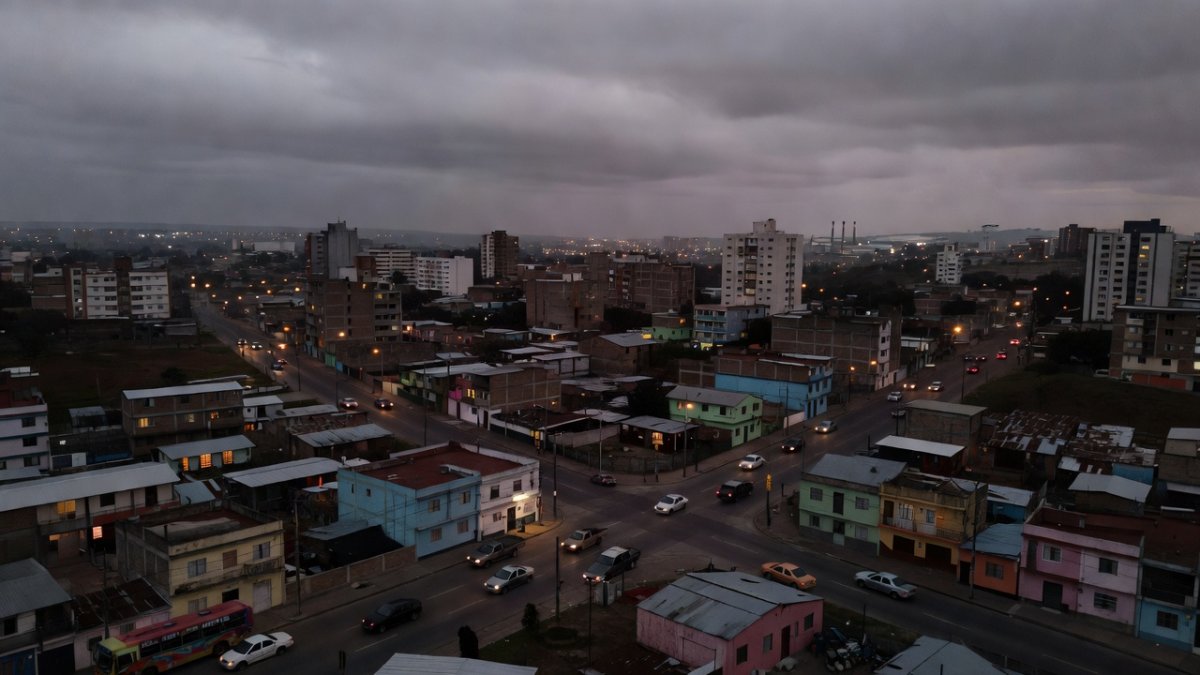
In recent weeks, residents across multiple Cuban cities have taken to the streets with pot-banging demonstrations every Tuesday evening, expressing frustration over persistent power outages. The latest round of protests coincides with the third nationwide blackout recorded this year, leaving large portions of the island without electricity for extended periods. In Santiago de Cuba, the second-largest city, neighborhoods remain plunged into darkness days after the initial failure, with crowds chanting slogans such as "turn on the lights" late into the night.
These demonstrations have spread from Havana to smaller towns in the eastern provinces, highlighting growing public discontent with the state electricity provider's inability to restore service. Local observers note that the frequency of such gatherings has increased compared to earlier in the year, raising concerns among authorities about the potential for broader dissent. Reports indicate that participants include families, small business owners, and students who have lost access to basic services during the outages.
Security forces have maintained a visible presence during the events, yet the protests have continued without major incidents so far. The pattern of weekly pot-banging reflects a coordinated form of expression that avoids direct confrontation while signaling widespread dissatisfaction. Analysts in the region point out that similar actions in past decades have sometimes preceded larger social movements when economic pressures intensify.
Fuel Scarcity Exacerbated by US Sanctions and Oil Blockade
Chronic fuel shortages have rendered backup generators ineffective across Cuba, compounding the effects of the recent blackouts. US sanctions targeting oil imports and shipping have restricted the arrival of necessary supplies, leaving the national grid vulnerable to any disruption in generation capacity. Without adequate diesel or fuel oil, even facilities equipped with emergency power systems have been forced offline.
Rolling blackouts now affect rural areas for up to 70 hours at a stretch, while urban centers experience cuts averaging 30 hours per week. These schedules have been implemented without prior detailed announcements from the state electricity company, leaving households and essential services unprepared. Farmers in the central provinces report spoilage of perishable goods due to the unpredictable timing of power restoration.
The lack of explanation from official channels has fueled speculation about deeper supply chain breakdowns. Ports in Havana and Santiago have seen reduced tanker traffic in recent months, directly linked to restrictions on vessels carrying Venezuelan or other regional crude. This situation has forced prioritization of fuel for hospitals and government buildings, further isolating residential and commercial users.
Official Responses from Cuban Leadership and US Officials
President Miguel Díaz-Canel has publicly acknowledged ongoing shortages affecting transport, food distribution, medicines, and electricity supply during recent addresses. He urged citizens directing their pot-banging protests toward the United States, describing the northern neighbor as the primary source of external pressure on the island's energy infrastructure. These statements were delivered in state media broadcasts that reached limited audiences due to the blackouts themselves.
US Ambassador to the United Nations, Mike Waltz, countered that the Cuban government maintains sufficient power generation for its own operations and security apparatus despite claims of widespread scarcity. In remarks last week, he emphasized that resources appear allocated preferentially to state functions rather than the general population. This exchange has intensified diplomatic rhetoric between the two capitals.
Local officials in affected provinces have echoed the president's framing, organizing community meetings to redirect public anger outward. However, attendance at these sessions has been uneven, with many residents citing transportation difficulties caused by the same fuel constraints. The back-and-forth between Havana and Washington continues to shape domestic narratives around the crisis.
Foreign Minister's Accusations and International Tensions
Cuban Foreign Minister Bruno Rodríguez has described US policy as a form of multi-dimensional, non-conventional warfare aimed at destabilizing the island's economy and energy systems. In statements to international media, he noted that ongoing bilateral talks have shown no meaningful progress toward easing restrictions on fuel and equipment imports. These comments were issued from Havana amid the latest blackout wave.
Separately, legal proceedings in the United States have included renewed murder charges against former leader Raúl Castro related to historical events, adding another layer of tension. Meanwhile, Venezuelan President Nicolás Maduro was seized in January during a period of heightened regional instability, further complicating Cuba's traditional energy partnerships. Such developments have reduced reliable oil shipments from Caracas.
Former US President Donald Trump has publicly stated that Cuba appears ready to fall under current pressures, a remark widely circulated in regional outlets. Cuban diplomats have rejected these characterizations, insisting that external interference rather than internal mismanagement drives the shortages. The combination of legal actions, leadership changes, and public statements has kept diplomatic channels strained.
The Human Toll on Daily Life in Cuba
Extended periods without electricity have forced Cuban families to adapt daily routines around darkness lasting several days in succession. Without refrigeration, fresh food spoils rapidly, leading households to rely on non-perishable items or immediate consumption of what remains. Markets in provincial towns report reduced stocks as supply chains falter under inconsistent power for cold storage.
Medical equipment dependent on stable electricity, including oxygen concentrators and vaccine refrigerators, has been compromised in clinics outside major cities. Patients requiring home-based care face heightened risks when outages extend beyond scheduled windows. Community health workers describe improvising with manual alternatives where possible, though these measures prove insufficient for complex cases.
Small businesses such as bakeries, beauty salons, and repair shops have shuttered temporarily or permanently due to inability to operate machinery or preserve inventory. The cumulative effect has increased unemployment in informal sectors already strained by prior economic challenges. Residents describe a pervasive sense of exhaustion as basic tasks like cooking and lighting require constant improvisation.
Energy Vulnerabilities Across Latin America
Geopolitical decisions made outside the region continue to disrupt energy flows throughout Latin America, exposing shared dependencies on imported fuels and equipment. Countries with limited domestic refining capacity face similar risks when sanctions or shipping restrictions tighten. Remote Amazon communities in several nations have reported parallel fuel shortages that isolate them from supply networks for weeks at a time.
Cross-border electricity trading agreements have proven fragile when one participant experiences generation shortfalls, affecting neighbors through reduced exports. Hydropower-reliant nations in the Andes have seen output fluctuate with changing rainfall patterns, while Caribbean islands grapple with aging thermal plants vulnerable to fuel price spikes. These interconnected systems amplify the impact of any single disruption.
Regional organizations have begun discussing coordinated stockpiling strategies, yet implementation remains slow amid differing national priorities. The Cuban experience serves as a stark illustration of how external pressures can cascade across borders, prompting calls for greater investment in local renewable capacity. Communities in Bolivia and Paraguay have already begun piloting micro-grid projects to reduce exposure to such vulnerabilities.
Brazil's Own Energy Crisis
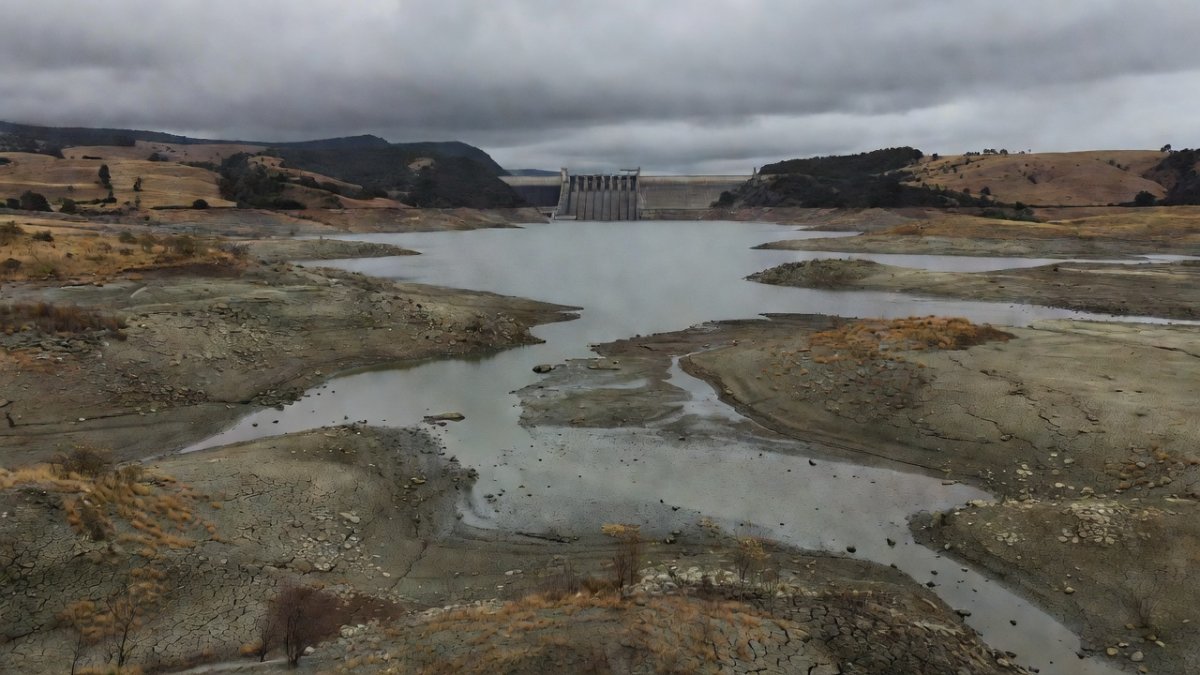
Brazil's Southeast and Center-West regions have endured prolonged drought conditions that have sharply reduced hydroelectric output from major reservoirs such as those along the Paraná River basin. With water levels at multi-year lows, operators have increased reliance on thermoelectric plants to meet demand, driving up generation costs and elevating emissions from natural gas and diesel units. This shift has strained the national grid during peak summer months.
Amazonian communities in states like Amazonas and Pará continue to face fuel shortages that limit river transport and local power generation, mirroring challenges seen elsewhere in the region. Remote settlements depend on irregular barge deliveries that have been delayed by low water levels and logistical bottlenecks. Indigenous groups have reported difficulties maintaining health posts and schools under these constraints.
Petrobras maintains historical ties with Cuban energy entities through past technical cooperation agreements, though current volumes remain modest amid the island's broader supply difficulties. Brazilian climate experts note that increasing variability in rainfall patterns, linked to shifting weather systems, intersects with these supply risks to create compounding pressures. Government agencies have accelerated permitting for new solar and wind installations in the Northeast to diversify the matrix, yet grid integration lags behind installation rates.
Analysts at the Ministry of Mines and Energy project that thermoelectric dispatch will remain elevated through the dry season, raising concerns about long-term emissions targets. Local utilities in São Paulo and Minas Gerais have introduced voluntary conservation campaigns targeting industrial users. These measures reflect an attempt to balance immediate reliability needs with broader sustainability goals amid regional energy interdependence.
Broader Regional Implications for Energy Security
Energy security across Latin America has become increasingly tied to diplomatic relations and external policy choices, as demonstrated by the Cuban situation. Nations are recognizing that diversified generation sources, including expanded renewables and regional interconnections, offer buffers against single-point failures. Coordinated planning among South American and Caribbean states could mitigate the spread of shortages when one country faces sanctions or infrastructure breakdowns.
Lessons from Cuba underscore the importance of maintaining strategic fuel reserves and investing in decentralized systems that can operate independently during grid failures. Regional forums such as the Latin American Energy Organization have scheduled discussions on harmonizing standards for cross-border support during crises. Such steps aim to prevent isolated events from escalating into widespread humanitarian impacts.
Brazilian policymakers are examining how climate variability and geopolitical risks can be addressed through joint infrastructure projects with neighbors. Enhanced cooperation on transmission lines and shared renewable facilities may provide the resilience needed as external pressures persist. The path forward requires balancing national sovereignty with collective preparedness to safeguard populations from recurring energy deprivation.
By Elena Vasquez, Staff WriterThis article was produced with AI-assisted research and editorial support. Reporting is based on sources cited in the article.
What's Your Reaction?
 Like
0
Like
0
 Dislike
0
Dislike
0
 Love
0
Love
0
 Funny
0
Funny
0
 Wow
0
Wow
0
 Sad
0
Sad
0
 Angry
0
Angry
0

Latin America Correspondent at Global1.News. Based in Mexico City, covering politics, economics, energy, and culture across the region. Brings an on-the-ground perspective to stories spanning from the Rio Grande to Patagonia.














Comments (0)