
AI Deepfakes Cost Japan's Celebrities ¥4.5 Billion
**Meta Description:** Over 43,000 unauthorized AI deepfakes cost Japanese celebrities ¥4.5 billion. Japan's Justice Ministry expert panel examines tort remedies through July 2026. **Keywords:** AI deepfakes Japan, Japanese celebrities copyright, Ministry of Justice expert panel, Sora 2 deepfake, seiyuu likeness rights, LDP AI criminal penalties, generative AI copyright losses,
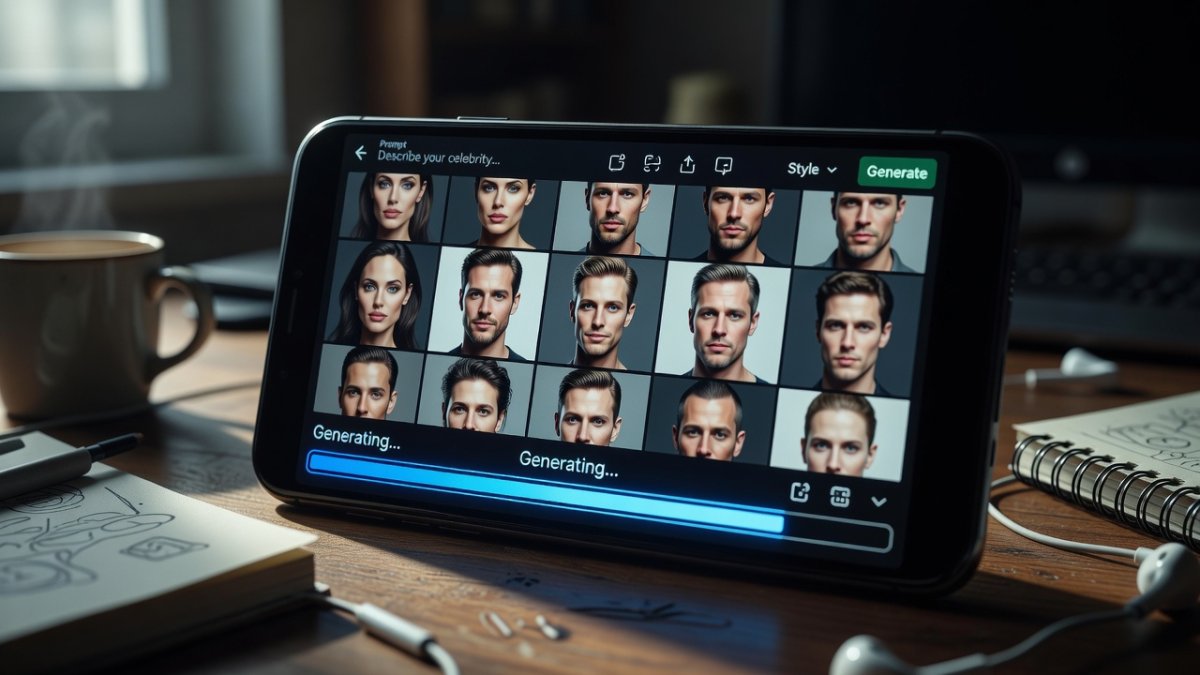
The Scale of Unauthorized AI Content
A nonprofit rights organization in Japan identified more than 43,000 AI-generated images and videos that reproduced the likenesses of Japanese celebrities and voice actors without consent during a two-month period last year. The material spanned actors, singers, seiyuu, and television personalities whose faces and voices were replicated through publicly available generative tools.
The findings underscore how quickly accessible AI systems can produce large volumes of synthetic media. Many of the items appeared on platforms that host user-generated content, where detection remains inconsistent. The study focused exclusively on instances lacking any form of permission or licensing agreement.
Estimated Economic Losses
The same study placed the upper bound of copyright-related losses at ¥4.5 billion, equivalent to approximately $28 million. These figures reflect foregone licensing opportunities and potential damage to commercial value rather than direct revenue theft. Japanese talent agencies have historically relied on controlled image use for endorsements, merchandise, and media appearances.
Seiyuu, in particular, face concentrated risk because their voices are central to anime, games, and audio dramas. Replication of distinctive vocal patterns can undermine the exclusivity that supports long-term contracts. The calculation method used by the nonprofit combined observed volume with average licensing rates observed in legitimate transactions.
Ministry of Justice Expert Panel
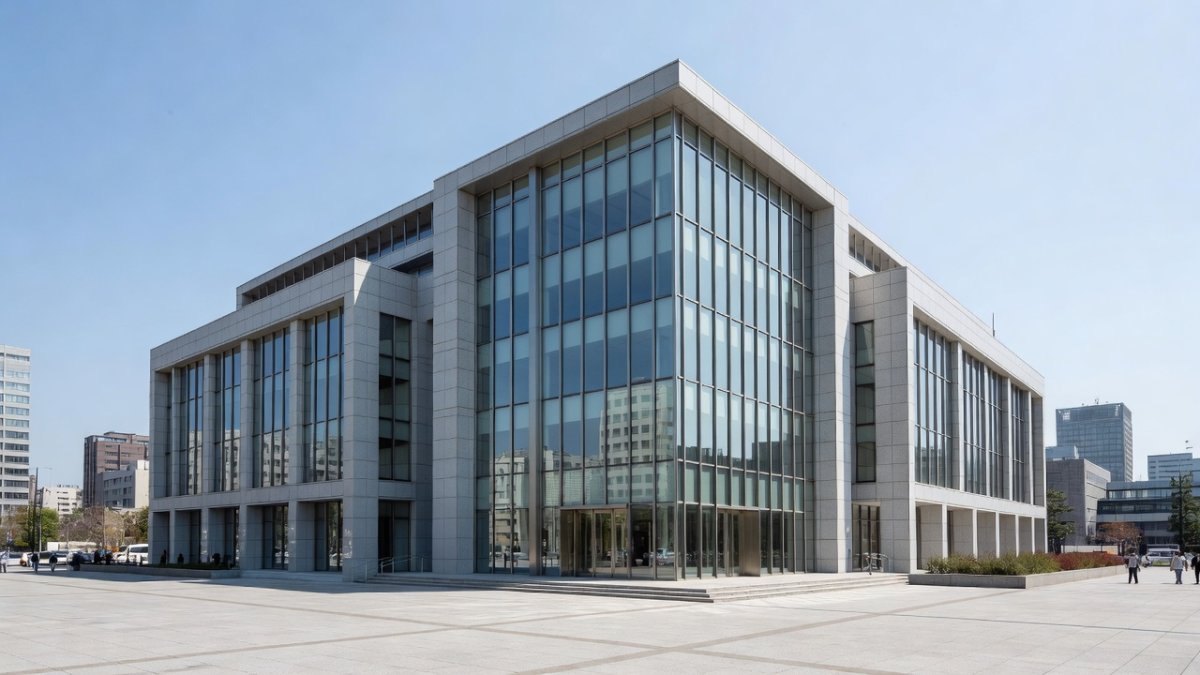
In April 2026 the Ministry of Justice established an expert panel to review how existing civil tort law applies to unauthorized use of likenesses and voices by generative AI. The panel is scheduled to convene five times between April and July 2026. Its mandate centers on clarifying remedies available under current statutes rather than proposing immediate legislative overhaul.
Discussions are expected to address the distinction between copyright infringement and personality rights, an area where Japanese jurisprudence has historically offered limited precedent for synthetic media. Participants include legal scholars and representatives from the entertainment sector, ensuring sector-specific input.
Calls for Criminal Penalties
Also in April 2026, the ruling Liberal Democratic Party urged the government to incorporate criminal penalties into Japan’s AI regulatory framework. The proposal specifically targets deepfake pornography and AI-driven copyright infringement. This recommendation reflects growing political recognition that civil remedies alone may not deter large-scale, automated misuse.
Any new provisions would need to align with Japan’s broader technology policy objectives, including those advanced by the Ministry of Economy, Trade and Industry. The LDP statement emphasized enforcement mechanisms that avoid stifling legitimate AI research and development conducted by domestic firms.
Limitations of Existing Copyright Law
Current Japanese copyright law does not explicitly protect an individual’s likeness from AI-generated replication. Protection remains anchored in traditional categories such as photographic works or sound recordings, leaving gaps when entirely synthetic outputs are created. The nonprofit study explicitly noted this shortfall as a primary driver of the observed volume of unauthorized content.
Legal experts participating in the Ministry panel are therefore examining whether tort claims for misappropriation of likeness can be strengthened through judicial interpretation or whether statutory amendments are required. The outcome will influence how Japanese courts handle future disputes involving generative AI outputs.
Concerns Over Advanced Tools and IP
Industry observers have raised particular concern about tools such as OpenAI’s Sora 2 and comparable systems that can generate video sequences featuring recognizable Japanese intellectual property. Without explicit licensing frameworks, these capabilities increase the risk of unauthorized commercial or fan-made productions that compete with official releases.
Japanese animation studios and game publishers have begun internal audits of their character libraries to assess exposure. The absence of standardized opt-out mechanisms or watermarking requirements in many AI platforms complicates enforcement efforts by rights holders.
Balancing Innovation and Rights Protection
Japan continues to position itself as a leader in AI development while seeking to safeguard individual rights. Policymakers must weigh the economic benefits of domestic AI startups against the reputational and financial harm experienced by talent. The Ministry of Justice panel’s focus on civil tort application represents an incremental approach that preserves flexibility for future technological change.
Any resulting guidelines are likely to influence corporate compliance practices across the entertainment and technology sectors. Japanese companies operating globally will also need to monitor how these domestic discussions intersect with emerging international standards on synthetic media.
Tags: AI deepfakes Japan, Japanese celebrities copyright, Ministry of Justice expert panel, Sora 2 deepfake, seiyuu likeness rights, LDP AI criminal penalties, generative AI copyright losses, Japan tort law deepfakes
By Kenji Tanaka, Staff Writer
This article was produced with AI-assisted research and editorial support. Reporting is based on sources cited in the article.
What's Your Reaction?
 Like
0
Like
0
 Dislike
0
Dislike
0
 Love
0
Love
0
 Funny
0
Funny
0
 Wow
0
Wow
0
 Sad
0
Sad
0
 Angry
0
Angry
0

Japan Correspondent at Global1.News. Tokyo-based voice covering Japanese politics, technology, economy, and culture. Tracks the intersection of tradition and innovation in one of the world's most dynamic societies.












Comments (0)