
Ankara Rejects European Parliament Cyprus Resolution as 'Null and Void' — A Deeper Look at the Eastern Mediterranean Divide
Turkey's Direct Rejection of the European Parliament Resolution On July 9, 2026, the European Parliament adopted a resolution on Cyprus that drew an immediate and forceful response from Turkey's Foreign Ministry. Ankara declared the text null and void, citing baseless and preposterous allegations against the Turkish Armed Forces. The ministry further criticized the European Uni
Turkey's Direct Rejection of the European Parliament Resolution
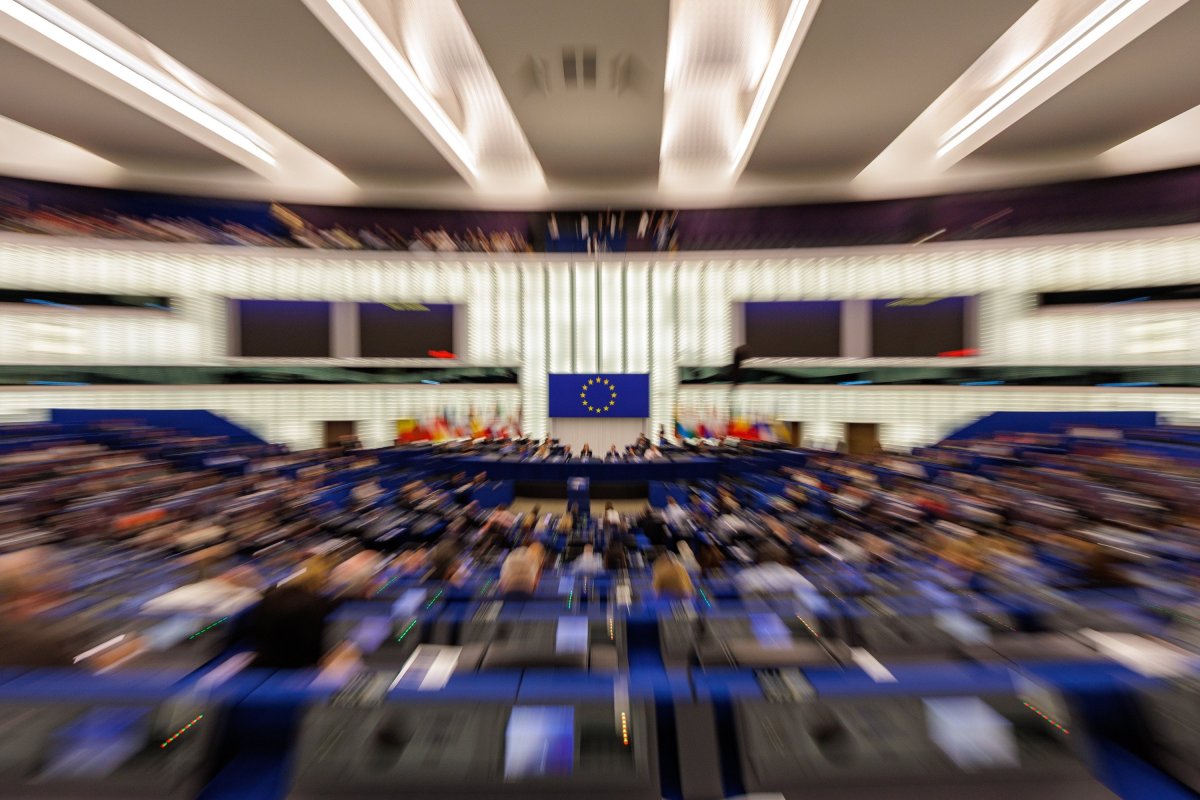
On July 9, 2026, the European Parliament adopted a resolution on Cyprus that drew an immediate and forceful response from Turkey's Foreign Ministry. Ankara declared the text null and void, citing baseless and preposterous allegations against the Turkish Armed Forces. The ministry further criticized the European Union for a biased and distorted approach to the Cyprus issue and warned of growing one-sidedness in Brussels. The resolution was labeled replete with despicable slanders.
This reaction aligns with Turkey's consistent position that the European Parliament lacks authority to dictate outcomes on an issue where Turkey serves as a guarantor power. Officials in Ankara view the resolution as another instance of external actors ignoring the realities on the island since the 1974 division.
Historical Roots of the Cyprus Stalemate Since 1974
The island's division dates to 1974, when a Greek Cypriot coup seeking union with Greece prompted Turkey's military intervention under its guarantor role. The Turkish Republic of Northern Cyprus was established in 1983 and receives recognition solely from Turkey. The government in the south is not recognized by Ankara, and formal negotiations have remained frozen since 2017.
Turkey's February 2026 letter to the United Nations restated its long-standing views on both the political status of Cyprus and the delimitation of maritime zones in the Eastern Mediterranean. These positions continue to shape Ankara's diplomatic posture and limit prospects for rapid movement under UN auspices.
Turkey's Assertive Eastern Mediterranean Strategy
Turkey's response to the resolution reflects a broader pattern of assertive policy in the Eastern Mediterranean. Ankara seeks to secure its maritime claims and protect the interests of the Turkish Cypriot community while expanding its regional influence. This approach includes naval presence and diplomatic engagement aimed at preventing unilateral energy exploration that excludes northern interests.
The strategy carries second-order effects for neighboring states. Greece and the Republic of Cyprus have pursued closer ties with the European Union and select Arab states, while Turkey has deepened coordination with actors willing to accommodate its maritime positions. The result is a fragmented security environment where overlapping claims raise the risk of incidents at sea.
EU-Turkey Relations and the Stalled Accession Process
The Cyprus resolution occurs against the backdrop of a long-stalled EU accession process for Turkey. European Council President Antonio Costa and European Commission President Ursula von der Leyen raised the Cyprus issue during their meeting with President Recep Tayyip Erdoğan in Ankara on the margins of the NATO Summit. They called for renewed momentum toward a settlement under United Nations auspices.
Yet Ankara sees little incentive to advance talks while the European Parliament continues to issue resolutions that prejudge outcomes. The accession track remains blocked by several member states, and Cyprus-related disputes serve as both cause and consequence of that blockage. Turkey's leverage lies in its control of northern Cyprus and its ability to influence migration and security cooperation that the EU still values.
Eastern Mediterranean Energy Resources and Maritime Boundaries
Gas discoveries off Cyprus and in the wider Levantine Basin have raised the economic stakes of the political dispute. Turkey insists that any revenue-sharing arrangement must account for Turkish Cypriot rights and that maritime boundaries cannot be drawn without its participation. The February 2026 UN letter reiterated these points alongside Ankara's positions on continental shelf limits.
Exploration activity by companies licensed by the Republic of Cyprus continues to draw Turkish naval responses. These dynamics affect investment decisions by international energy firms and influence the calculations of Egypt, Israel, and Greece, all of which have pursued their own offshore development plans. The absence of agreed boundaries keeps the risk of confrontation elevated even as global demand for diversified gas supplies grows.
NATO Summit Context and Great-Power Balancing
The Ankara meeting between Costa, von der Leyen, and Erdoğan took place during a NATO Summit, underscoring Turkey's dual role as alliance member and independent regional actor. Turkey has used its NATO position to extract concessions on security issues while maintaining defense cooperation with Russia and expanding economic ties with China. This balancing act allows Ankara to resist EU pressure on Cyprus without fully alienating Washington.
US efforts to strengthen Eastern Mediterranean partnerships compete with Russian and Chinese diplomatic and economic overtures to Turkey. Ankara's rejection of the European Parliament resolution signals that it will not trade core Cyprus and maritime positions for smoother EU relations. The outcome affects not only the island but also the cohesion of NATO's southern flank and the trajectory of great-power competition across the region.
By Malik Hassan, Staff WriterThis article was produced with AI-assisted research and editorial support. Reporting is based on sources cited in the article.
What's Your Reaction?
 Like
0
Like
0
 Dislike
0
Dislike
0
 Love
0
Love
0
 Funny
0
Funny
0
 Wow
0
Wow
0
 Sad
0
Sad
0
 Angry
0
Angry
0

Middle East Correspondent at Global1.News. Based in Beirut, covering politics, conflict, energy, and society across the Middle East. Brings context and depth to a region often reduced to headlines.














Comments (0)