
Morocco's Moment: Troost-Ekong Backs Atlas Lions as Africa Chases World Cup History
Morocco's Moment: Troost-Ekong Backs Atlas Lions as Africa Chases World Cup History The Quarter-Final Rematch Unfolds in Boston Morocco face France in the 2026 World Cup quarter-final on Thursday, July 9, 2026, at Boston Stadium in Foxborough, Massachusetts. The match marks a direct rematch of the 2022 World Cup semi-final and remains in progress under extreme conditions with p
Morocco's Moment: Troost-Ekong Backs Atlas Lions as Africa Chases World Cup History
The Quarter-Final Rematch Unfolds in Boston
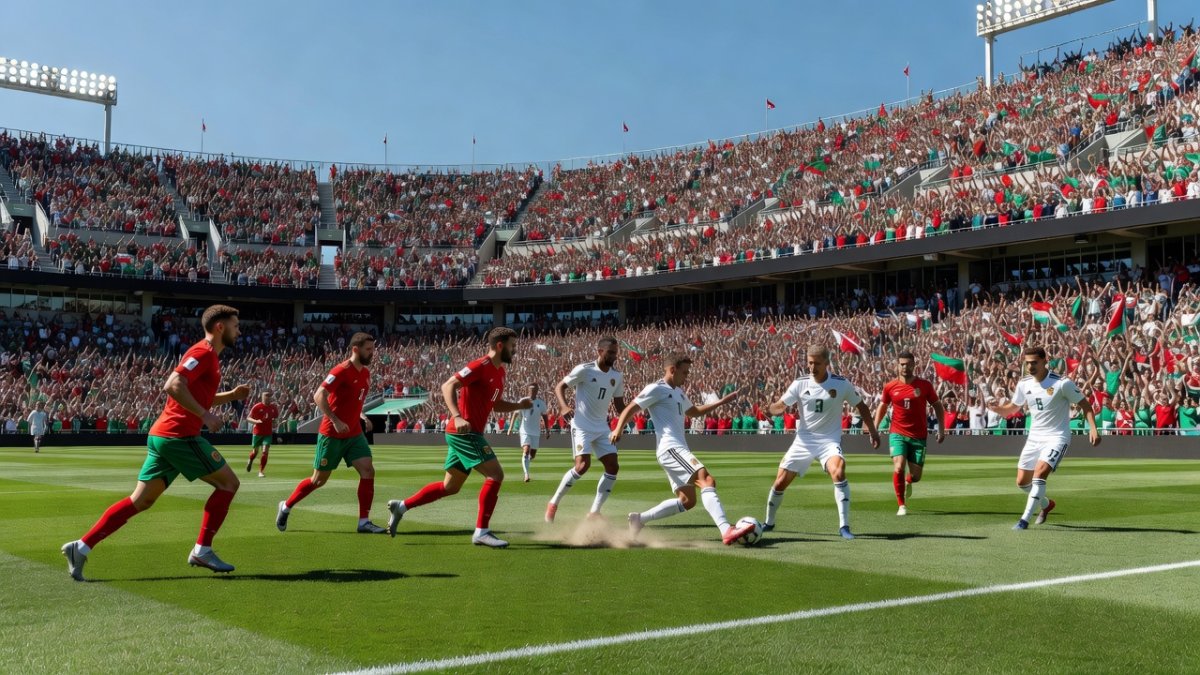
Morocco face France in the 2026 World Cup quarter-final on Thursday, July 9, 2026, at Boston Stadium in Foxborough, Massachusetts. The match marks a direct rematch of the 2022 World Cup semi-final and remains in progress under extreme conditions with pitchside temperatures at 40°C, air temperature at 32°C, and a feels-like reading of 37°C.
France enter with a perfect record across five matches, having topped Group I before defeating Sweden 3-0 in the round of 32 and Paraguay 1-0 in the round of 16. Kylian Mbappé leads the Golden Boot race with seven goals while Michael Olise has recorded five assists. Aurélien Tchouaméni remains sidelined with an adductor injury under coach Didier Deschamps.
Morocco arrive on a 34-match unbeaten streak across all competitions. Their squad includes captain Achraf Hakimi, goalkeeper Yassine Bounou, Brahim Díaz, Soufiane Rahimi, Nayef Aguerd, Noussair Mazraoui, Anass Salah-Eddine and Ayyoub Bouaddi. Coach Mohamed Ouahbi deploys a 4-2-3-1 formation with Ismael Saibari ruled out through a hamstring injury.
William Troost-Ekong Delivers His Verdict on Al Jazeera English
Former Nigeria captain William Troost-Ekong spoke to Al Jazeera English about Morocco's run and the broader state of African football. He stated: "At the last World Cup, Morocco broke down those barriers and showed everyone what is possible." Troost-Ekong added that many African teams and players have demonstrated they can compete with the very best based on performances seen so far in the 2026 tournament.
Troost-Ekong expressed clear hope for further progress. "I am very hopeful that this could be the World Cup where an African team goes even further than Morocco did. If they reach that stage, hopefully they can go all the way." He singled out Morocco as Africa's clearest hope while noting the personal disappointment of missing Nigeria's qualification campaign.
On Nigeria's exit, Troost-Ekong explained the loss of early momentum. "We lost a lot of momentum from the start of the qualification, dropped a lot of points, so we were just playing catch-up." He credited incoming coach Eric Chelle with restoring direction, saying the coach "did a fantastic job to put us back on track to get us to the play-offs." Nigeria still possess a core of players who will remain available in four years' time.
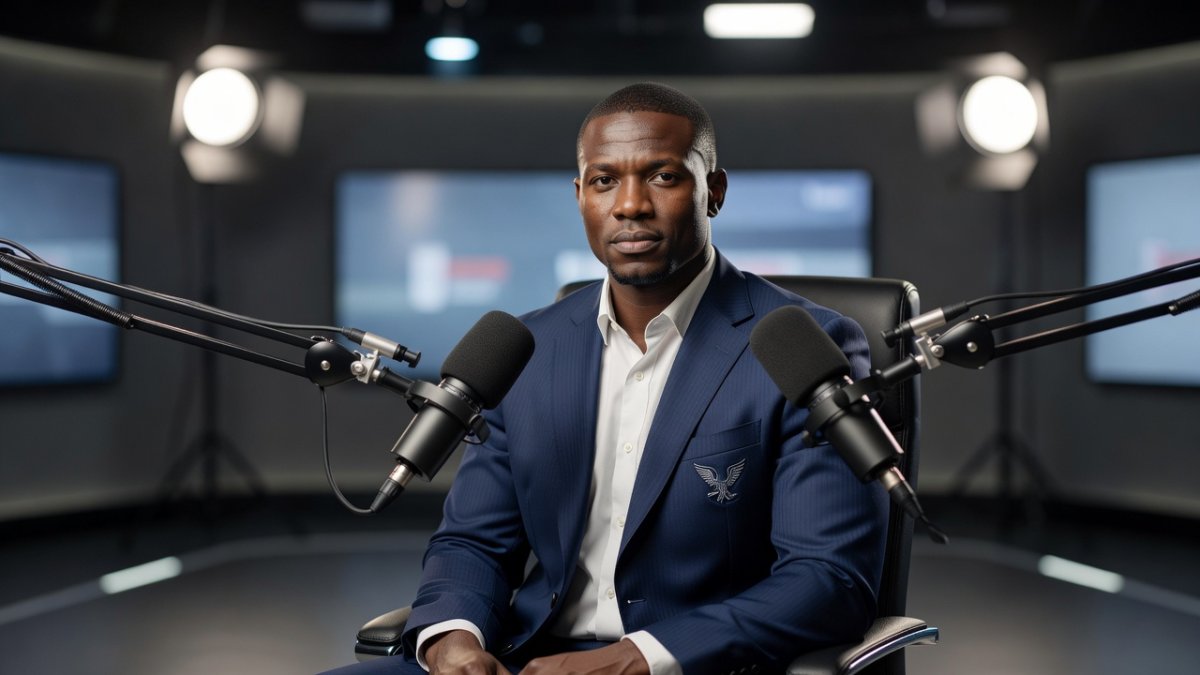
Morocco's Path and Tactical Foundations
Morocco qualified from Group C after drawing with Brazil and defeating Scotland and Haiti. They advanced from the round of 32 by beating the Netherlands on penalties and eliminated co-host Canada 3-0 in the round of 16. The Atlas Lions operate with disciplined structure under Ouahbi, relying on Hakimi's leadership and Bounou's shot-stopping to maintain their long unbeaten sequence.
Opta supercomputer projections give France a 61.7% chance of victory, Morocco 16.2% and a draw 22.1%. France hold a 4-1 historical advantage across six previous meetings. Yet Morocco's current form and collective organisation have repeatedly overturned such statistical expectations in recent cycles.
The $31.5 million in FIFA prize money already secured for reaching the quarter-finals provides tangible resources for continued investment in Moroccan football infrastructure and youth pathways. This financial stability underpins the sustained excellence that has carried the team to this stage.
France's Strengths and Morocco's Counter-Threats
France's attack, led by Mbappé's seven goals, creates constant pressure through pace and movement. Olise's five assists highlight the creative depth available to Deschamps. The absence of Tchouaméni forces adjustments in midfield control, yet the squad's overall depth remains formidable.
Morocco counter with width from Hakimi and Mazraoui, central solidity from Aguerd and Bouaddi, and forward threat from Rahimi and Díaz. The 4-2-3-1 shape allows quick transitions that have defined their 34-match unbeaten run. These tactical elements will be tested directly against France's organised defence in the Boston heat.
Continental Implications for African Football
Morocco became the first African nation to reach a World Cup semi-final in 2022. Senegal and Ivory Coast also delivered strong showings before their eliminations in 2026. Four African teams reached the 2026 finals, underlining growing depth across the continent.
Troost-Ekong's comments reflect this momentum. African sides have shown they belong at the highest level, and a quarter-final victory for Morocco would extend the record set four years earlier. The performance of individual players across multiple nations reinforces the message that sustained investment produces results on the global stage.
Lessons for South African Football and Bafana Bafana
Bafana Bafana failed to qualify for the 2026 World Cup, extending a drought that last ended in 2002 when they reached the finals as hosts in 2010. SAFA has shifted focus toward domestic development and co-hosting the 2027 Africa Cup of Nations. South African fans nevertheless view any African success at the World Cup as progress for the entire continent.
The Premier Soccer League, featuring Mamelodi Sundowns, Orlando Pirates and Kaizer Chiefs, remains one of Africa's strongest domestic competitions. The MultiChoice Diski Challenge continues to develop youth talent that could feed into the national team. South African supporters draw parallels between Bafana's current challenges and the Springboks' earlier resurgence through disciplined planning and leadership stability.
Morocco's model offers clear lessons for SAFA and the South African sports ministry. Long-term coaching stability, targeted investment in academies, and consistent qualification campaigns have produced results. Transformation and grassroots programmes in South Africa can draw directly from this approach to rebuild national team competitiveness.
Sport in South Africa carries a unique social weight. Success on the field fosters national unity and community pride in the same way the Springboks have done in recent years. When an African team such as Morocco advances, it lifts the profile of every league and federation on the continent, including the PSL and its supporters who watch with intense interest from Johannesburg to Cape Town.
Nigeria's Future and the Wider African Horizon
Troost-Ekong highlighted the positive outlook for Nigeria despite the recent qualification miss. A large group of players will still be available in four years, providing continuity under Chelle. The experience gained from reaching the play-offs offers a foundation for the next cycle.
Morocco's quarter-final appearance already guarantees further prize money and exposure that benefits African football broadly. South African clubs and national teams can study the tactical discipline and squad management that have sustained Morocco's streak. The energy around this Boston clash extends far beyond the two competing nations and reaches every supporter who follows African football through SuperSport broadcasts and local leagues.
 By Dante Williams, Staff Writer
This article was produced with AI-assisted research and editorial support. Reporting is based on sources cited in the article.
What's Your Reaction?
 Like
0
Like
0
 Dislike
0
Dislike
0
 Love
0
Love
0
 Funny
0
Funny
0
 Wow
0
Wow
0
 Sad
0
Sad
0
 Angry
0
Angry
0
Breaking News and Investigations Correspondent at Global1.News. Based in London, covering global breaking news, security, and investigative stories. Known for digging deeper and connecting the dots across continents.










Comments (0)