
Cuba's Energy Crisis Deepens: Third Nationwide Blackout Sparks Protests as US Blockade Cripples Fuel Supply
Cubans Take to the Streets as Third Blackout Bites Cubans in several locations on the island banged pots on Tuesday evening to express their anger about the latest nationwide power cut. While public dissent in the Communist-run country is often punished with long prison sentences, there have been spontaneous protests in areas worst affected by the outages. The demonstrations er
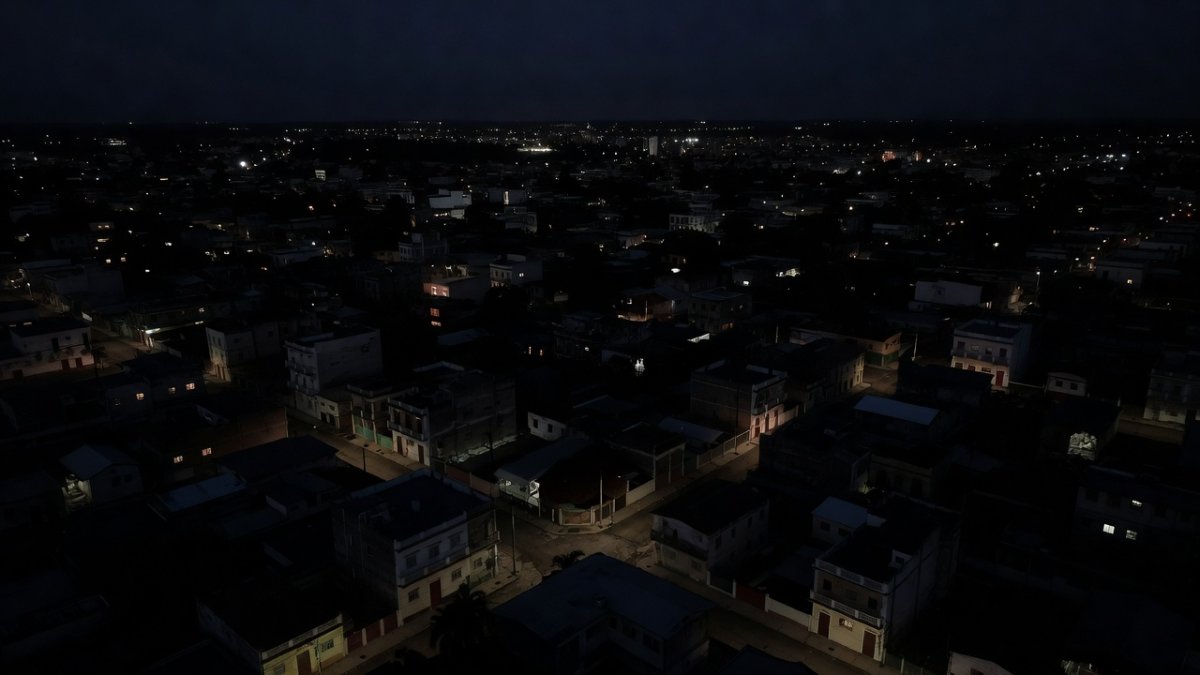
Cubans Take to the Streets as Third Blackout Bites
Cubans in several locations on the island banged pots on Tuesday evening to express their anger about the latest nationwide power cut. While public dissent in the Communist-run country is often punished with long prison sentences, there have been spontaneous protests in areas worst affected by the outages. The demonstrations erupted as residents faced yet another sudden loss of electricity that plunged neighborhoods into darkness without warning. Many took to the streets in frustration after days of enduring state-imposed rolling cuts that already strained daily life to the breaking point.
Fuel shortages have been exacerbated by tight US sanctions and an effective US oil blockade, meaning that even those who have generators often do not have the fuel to run them during power cuts. Cuban officials said on Tuesday that most of the country had had power restored but locals shouted "turn on the lights!" in areas still in the dark. The unrest highlighted deep frustrations that have simmered for months amid repeated failures of the national grid. Communities gathered in small groups to voice their demands for reliable service that has become a distant memory.
Monday's nationwide outage was the third this year and comes on top of state-imposed rolling electricity cuts aimed at conserving the little remaining fuel. Some rural areas are plunged into darkness for up to 70 hours at a time, while urban areas have seen planned outages of up to 30 hours. The state electricity company did not say what had caused this latest unplanned incident. Residents described the situation as unbearable, with food spoiling in refrigerators and essential medical equipment failing without backup power.
The country's second-largest city, Santiago de Cuba, was among places where power had not yet been restored on Tuesday evening local time. Families there huddled together in the heat, sharing stories of previous blackouts that had lasted far longer than expected. Local leaders attempted to calm tensions but found little success as anger boiled over into public displays. The pot-banging protests spread quickly through affected districts, signaling a rare moment of collective expression.
Observers noted that these actions reflected broader discontent with the ongoing energy instability that has disrupted work, education, and healthcare across the island. The events on Tuesday marked a visible escalation in public response to the crisis. Many participants emphasized their desire for immediate solutions rather than continued promises of relief.
Fuel Blockade Leaves Generators Idle Across the Island
The effective US oil blockade has left countless generators across Cuba sitting unused despite their potential to ease the crisis. Families who invested in backup systems now watch them gather dust as fuel supplies dwindle to critical levels. This situation stems directly from tightened sanctions that have restricted shipments and raised costs beyond reach for most households. Communities report that even limited diesel allocations fail to cover basic needs during extended outages.
Businesses in Havana and other major centers have scaled back operations because they cannot secure consistent fuel deliveries. The blockade has created a ripple effect that touches every sector reliant on independent power sources. Officials have struggled to distribute what little fuel remains, prioritizing essential services over private use. Residents describe long lines at stations that often close before serving everyone waiting.
Many rural households have resorted to traditional methods like wood fires for cooking as generator fuel runs out. This shift increases health risks from smoke inhalation in poorly ventilated homes. The lack of reliable energy also hampers irrigation systems critical for agriculture during dry seasons. Farmers express concern that crop yields will suffer without consistent power for water pumps.
Urban professionals face similar challenges when working from home becomes impossible without electricity or fuel. The blockade has intensified an already fragile supply chain that once depended on regional partners. Cuban authorities continue to seek alternative sources but report repeated obstacles in securing new contracts. The result leaves generators idle and communities in prolonged darkness.
Experts tracking the energy situation note that the blockade compounds existing infrastructure weaknesses built over decades. Without fuel inflows, even repaired plants cannot operate at full capacity. This creates a cycle of shortages that affects daily routines for millions. The human cost mounts as families adapt to life without modern conveniences once taken for granted.
Díaz-Canel Acknowledges Suffering, Points Finger at Washington
Cuban President Miguel Díaz-Canel has acknowledged the spreading discontent among Cubans. He stated that shortages of transport, food, medicines, and lengthy power cuts lasting more than 20 hours cause dissatisfaction that nobody can ignore. The leader told reporters that the people are suffering and that no one can be happy under these conditions. His comments came amid growing calls for accountability from affected communities.
Díaz-Canel urged Cubans to direct their anger towards the US government instead of his administration. He added that people bang pots with varying degrees of anger but should focus their protests on northern neighbors responsible for the power cuts. This framing seeks to channel public frustration outward during a period of heightened tension. Officials have echoed similar messages in state media broadcasts this week.
The president's remarks highlight the political dimensions of the energy crisis that extend beyond technical failures. He emphasized external pressures as the primary driver behind fuel shortages and grid instability. Local responses to his statements have been mixed, with some residents agreeing on the role of sanctions while others demand internal reforms. The acknowledgment of suffering marks a rare public admission from leadership.
Communities in Santiago de Cuba and surrounding areas listened closely to the address as they waited for restored service. Many expressed hope that the recognition would lead to faster action on fuel imports. Díaz-Canel's words also referenced ongoing hardships that have accumulated since earlier in the year. The speech aimed to maintain unity amid visible signs of unrest.
Analysts observe that such statements serve to reinforce narratives of external interference during domestic challenges. The president balanced empathy with calls for redirected blame. This approach reflects efforts to manage public sentiment in a time of repeated blackouts. Residents continue to monitor whether words translate into tangible improvements in energy access.
Washington and Havana Trade Blame at the UN
The US Ambassador to the United Nations, Michael Waltz, placed the blame squarely with the Cuban government during a meeting of the UN General Assembly on Tuesday. He urged Cuba to change its ways and turn the lights back on for its people. Waltz added that there always seems to be enough power for the Cuban dictatorship despite claims of shortages. His comments drew immediate responses from Cuban representatives present.
Cuba's foreign minister, Bruno Rodríguez, accused the US of waging multi-dimensional, non-conventional warfare against Cuba. He said these actions had become ever more cruel over the last seven months. Rodríguez highlighted the impact of sanctions and the oil blockade on civilian populations. The exchange at the UN underscored deepening divisions between the two nations.
US-Cuban relations have deteriorated rapidly since the start of the year, when US President Donald Trump accused the island's government of posing a threat to the national security of the US. Shortly after US forces seized former Venezuelan President Nicolás Maduro in January, Trump also openly mused that Cuba was ready to fall. Since then, the Trump administration has imposed fresh sanctions on Cuba as well as an effective blockade on oil shipments. The US has also levelled murder charges against Cuba's former president, Raúl Castro.
The verbal sparring at the UN reflected broader geopolitical tensions that have spilled into energy policy. Cuban officials countered that the measures amount to collective punishment on ordinary citizens. Waltz maintained that internal governance choices drive the current difficulties. The session ended without resolution but highlighted the international spotlight on the crisis.
Diplomats from other nations watched the exchange closely as it touched on issues of sovereignty and humanitarian impact. The accusations flew back and forth without immediate concessions from either side. This public confrontation follows weeks of private discussions that have yet to yield results. The UN platform amplified voices from both capitals amid the ongoing blackout situation.
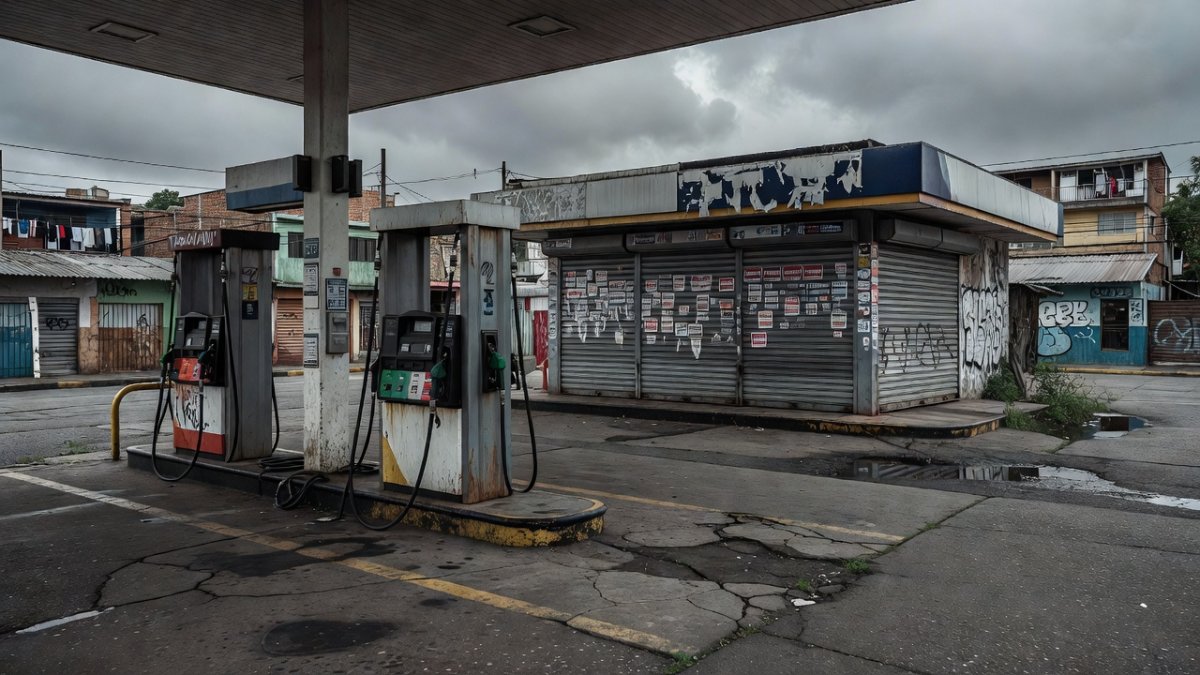
Rural Communities Bear the Brunt of Extended Darkness
Some rural areas are plunged into darkness for up to 70 hours at a time, far exceeding the planned outages in cities. Residents in these regions rely on limited resources to cope with prolonged blackouts that disrupt farming and household tasks. The disparity between urban and rural experiences has grown more pronounced during this latest crisis. Many villages lack even basic backup systems that might mitigate the effects.
Agricultural workers report that irrigation and processing equipment sit idle without power, threatening food production for the coming season. Extended darkness also affects schools and clinics that serve remote populations. Families describe evenings spent by candlelight, conserving what little fuel remains for essential uses. The isolation of these communities amplifies the challenges of accessing information or aid.
Local authorities have attempted to prioritize rural restoration efforts but face logistical hurdles from fuel constraints. The state electricity company has not provided detailed timelines for full recovery in these zones. Residents express frustration that their needs receive less attention than those in larger population centers. This pattern repeats across provinces where infrastructure is already stretched thin.
Health concerns rise as medicines requiring refrigeration spoil and medical devices lose power during long outages. Community leaders organize mutual aid networks to share resources and information. The extended darkness forces adaptations that increase physical labor and reduce productivity. Rural voices have joined the chorus of protests calling for equitable energy distribution.
Climate conditions in these areas compound the difficulties, with high temperatures making unpowered homes uncomfortable. The situation underscores vulnerabilities in decentralized regions that depend on centralized grid management. Efforts to introduce solar alternatives have been limited by import restrictions. Rural communities continue to endure the longest waits for restored service.
Economic Ripple Effects Stretch Across Sectors
The energy crisis has sent ripple effects through Cuba's economy, halting production in factories and small enterprises alike. Without reliable power, manufacturing schedules collapse and export commitments face delays. Workers in affected industries report reduced hours and uncertain pay as operations scale back. The cumulative impact threatens to deepen existing economic pressures on households.
Tourism operators in coastal areas struggle to maintain services for visitors when blackouts interrupt air conditioning and refrigeration. Hotels have turned to costly alternatives that strain budgets already tight from fuel shortages. This sector, vital for foreign currency, sees cancellations rise as news of the crisis spreads. Local businesses tied to tourism feel the secondary effects immediately.
Agricultural exports suffer when processing plants cannot function consistently during outages. Farmers lose perishable goods that cannot be stored properly without electricity. The blockade limits access to spare parts for equipment, further slowing recovery efforts. Economic planners warn that prolonged instability could affect growth projections for the year.
Transportation networks also feel the strain as fuel allocations prioritize emergency services over commercial routes. Deliveries of goods slow, creating shortages in markets already facing supply challenges. Small vendors adapt by changing operating hours to match available power windows. The interconnected nature of these disruptions amplifies the overall economic toll.
Analysts tracking the situation note that the crisis exposes long-standing dependencies on imported energy resources. Diversification efforts remain hampered by external sanctions. The ripple effects touch every layer of society, from urban professionals to rural producers. Recovery will require coordinated steps to stabilize both supply and infrastructure.
Latin America Watches as Geopolitics Collide With Energy Security
Neighboring countries in Latin America monitor developments in Cuba closely as the energy crisis intersects with regional geopolitics. Leaders in the Caribbean and South America have expressed concern over the humanitarian dimensions of the blackouts. The situation raises questions about energy interdependence and the reach of external sanctions. Regional forums have begun discussing potential support mechanisms.
The blockade on oil shipments affects not only Cuba but also trade patterns that involve multiple nations. Partners who once supplied fuel now face threats of tariffs, altering longstanding arrangements. This shift influences diplomatic calculations across the hemisphere. Observers note that the crisis could reshape alliances if it persists.
Climate-focused organizations in the region highlight how energy instability hinders transitions to renewable sources. Cuba's challenges serve as a cautionary example for nations balancing political pressures with infrastructure needs. Discussions at summits this month have touched on shared vulnerabilities to fuel disruptions. Solidarity statements have emerged from several capitals.
Media outlets across Latin America cover the protests and official responses, framing the story within broader narratives of sovereignty. Public opinion in some countries leans toward criticism of the sanctions' impact on civilians. Others emphasize internal governance as the core issue. The varied reactions reflect diverse political alignments in the region.
The collision of geopolitics and energy security prompts calls for dialogue that prioritizes humanitarian outcomes. Regional bodies explore ways to facilitate technical assistance without escalating tensions. Cuba's experience underscores the fragility of grids dependent on external supplies. Neighbors continue to watch for signs of resolution or further deterioration.
Talks Stalled as Crisis Deepens — What Comes Next for Cuba's Grid
Despite trading barbs publicly, the two countries have been holding talks over recent weeks in private. The Cuban foreign minister said on Tuesday that those talks show no progress but left the door open to dialogue based on mutual respect and non-interference in Cuba's internal affairs. This cautious stance comes as the energy situation shows little sign of immediate improvement. Officials on both sides maintain channels even amid heightened rhetoric.
The stalled negotiations leave uncertainty about when fuel shipments might resume or sanctions ease. Cuban authorities continue to appeal for international understanding of the blockade's effects. US positions remain firm on governance changes as a precondition for relief. The impasse prolongs the hardships faced by residents across the island.
Future scenarios for Cuba's grid depend on breakthroughs in these discussions or alternative supply arrangements. Some analysts suggest regional partnerships could provide interim support if political will aligns. Infrastructure repairs alone cannot resolve shortages without fuel inflows. The coming weeks will test whether private talks can yield concrete steps.
Residents await updates on restoration efforts while adapting to ongoing rolling cuts. The third blackout this year has intensified pressure on leaders to find sustainable paths forward. International observers emphasize the need for de-escalation to prevent further humanitarian strain. The grid's stability remains tied to broader diplomatic developments.
Longer-term solutions may involve accelerated investment in renewables, though current restrictions limit options. The crisis has spotlighted vulnerabilities that require both technical and political attention. Cuba's path ahead hinges on resolving the immediate fuel impasse while addressing underlying infrastructure issues. Continued monitoring from the region will shape responses in the months ahead.
By Elena Vasquez, Staff WriterThis article was produced with AI-assisted research and editorial support. Reporting is based on sources cited in the article.
What's Your Reaction?
 Like
0
Like
0
 Dislike
0
Dislike
0
 Love
0
Love
0
 Funny
0
Funny
0
 Wow
0
Wow
0
 Sad
0
Sad
0
 Angry
0
Angry
0

Latin America Correspondent at Global1.News. Based in Mexico City, covering politics, economics, energy, and culture across the region. Brings an on-the-ground perspective to stories spanning from the Rio Grande to Patagonia.











Comments (0)