
Palghar Flood Rescue Highlights Rural Maternal Care Gaps in Maharashtra
The Rescue in Hanumanpada Village On 7 July 2026, Priyanka Ravi Yadav of Hanumanpada village in Palghar district, Maharashtra, went into labour amid heavy monsoon rains that submerged roads and isolated the settlement. Chest-deep floodwaters prevented any ambulance from reaching her home. ASHA worker Divya Gharat and social worker Chetan Gawad quickly rallied local residents. W
The Rescue in Hanumanpada Village
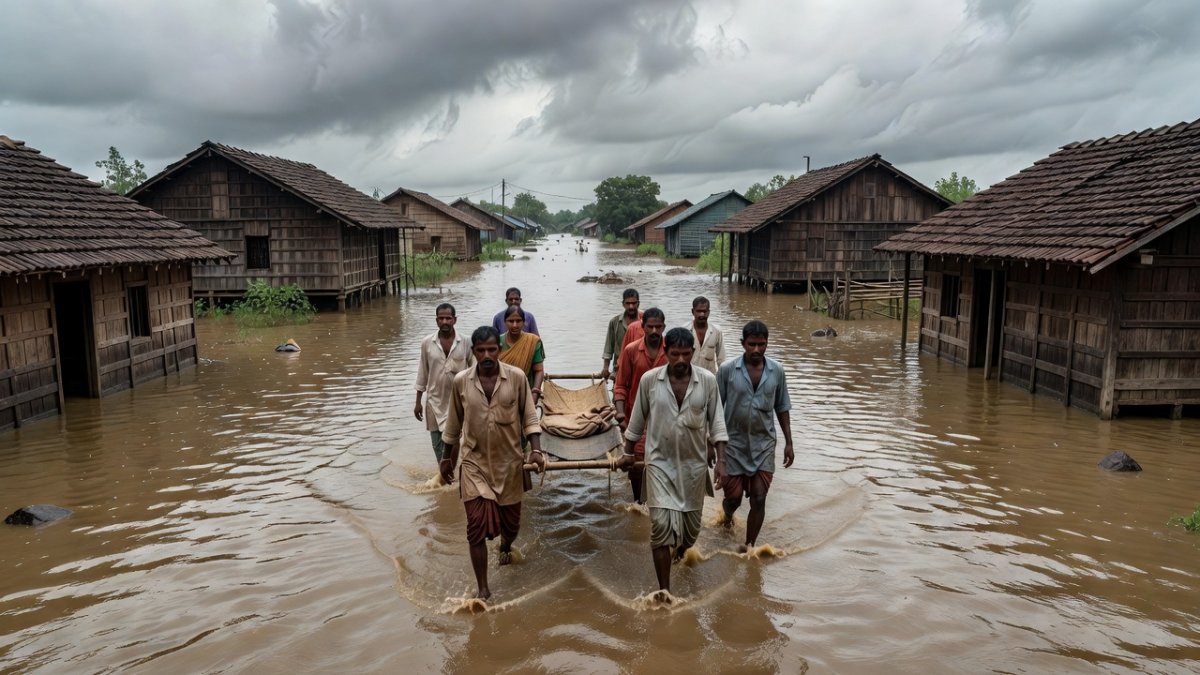
On 7 July 2026, Priyanka Ravi Yadav of Hanumanpada village in Palghar district, Maharashtra, went into labour amid heavy monsoon rains that submerged roads and isolated the settlement. Chest-deep floodwaters prevented any ambulance from reaching her home.
ASHA worker Divya Gharat and social worker Chetan Gawad quickly rallied local residents. With no stretcher available, they removed a wooden door from a nearby house, placed Priyanka on it, and carried her through the floodwaters to Saphale Rural Hospital. The India Today video of the effort later went viral.
Persistent Gaps in Rural Maternal Healthcare
This episode in Palghar district illustrates the daily barriers women in remote Maharashtra villages face when seeking timely obstetric care. Flooded roads, absent transport links and limited facility access compound risks during labour.
For Indian patients in similar districts, such delays translate into higher chances of complications that could otherwise be managed at primary centres. The successful outcome at Saphale Rural Hospital shows what is possible when communities bridge these gaps, yet it also reveals how fragile the chain of care remains outside urban centres.
ASHA Workers as the First Line of Defence
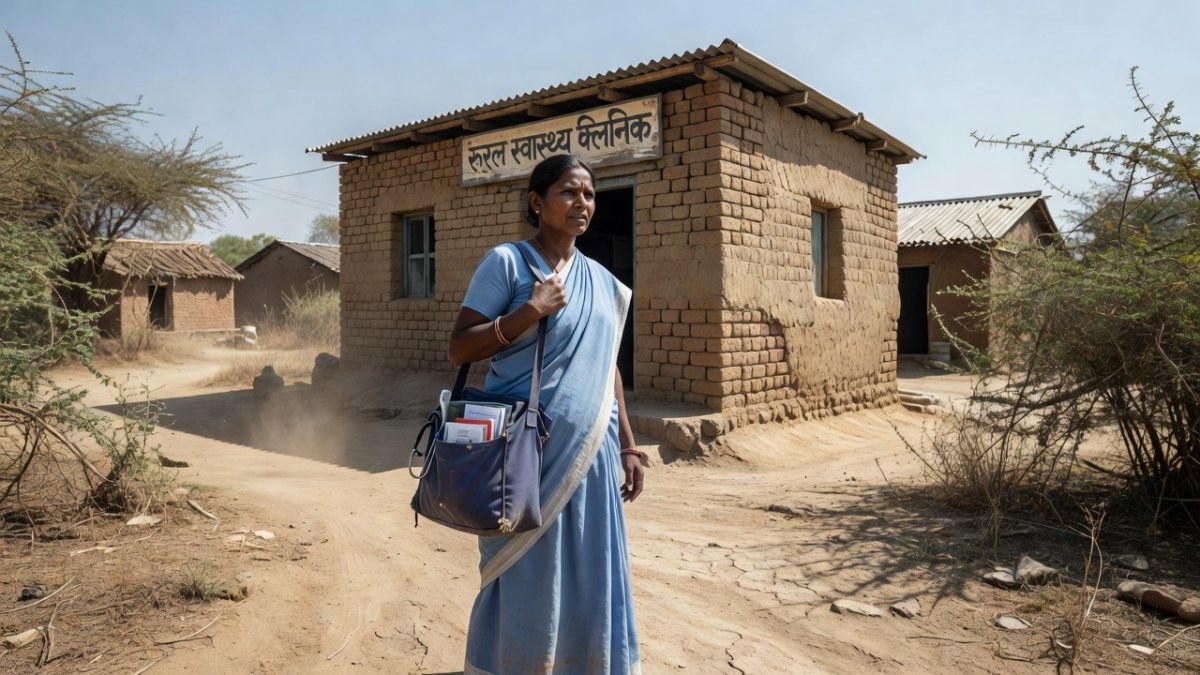
Divya Gharat’s swift mobilisation of neighbours demonstrates the indispensable position ASHA workers occupy in India’s public health architecture. These community-based functionaries link rural households to facilities, track pregnancies and coordinate emergency movement when formal systems stall.
In states like Maharashtra, ASHA workers routinely operate in monsoon-affected blocks where official ambulances cannot operate. Their presence converts potential maternal emergencies into manageable referrals, directly affecting outcomes for women in villages such as Hanumanpada.
Monsoon Preparedness and Emergency Response
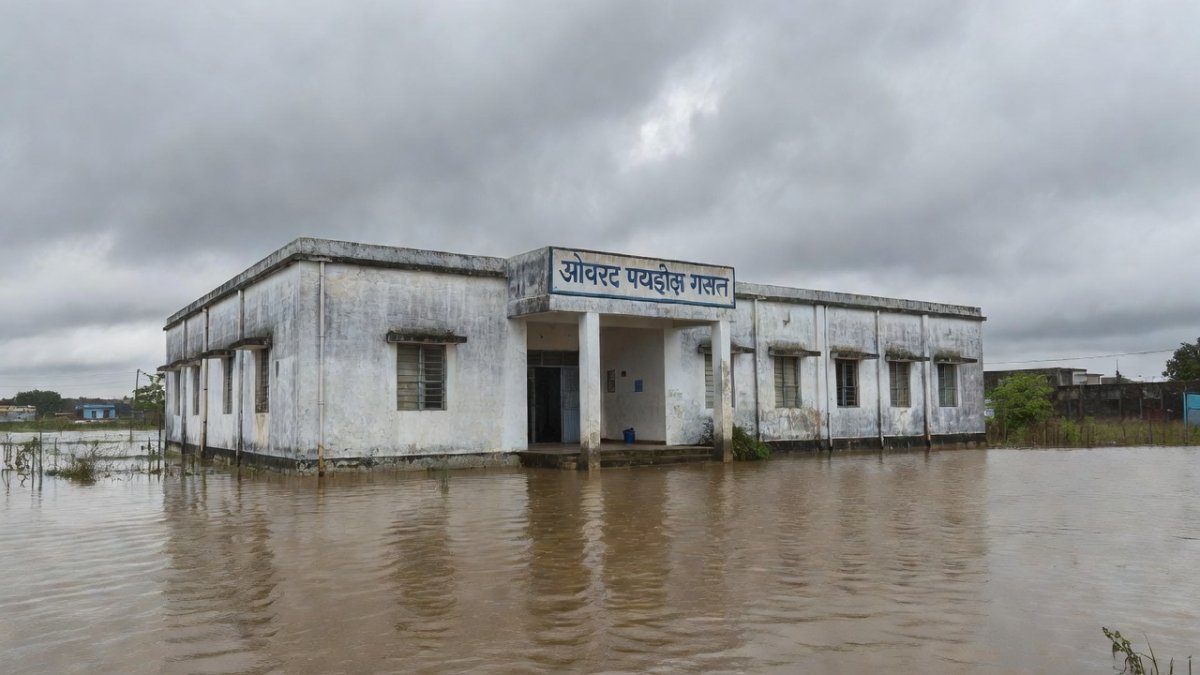
Palghar’s annual monsoon flooding repeatedly disrupts road access to rural hospitals. The door-stretcher improvisation on 7 July 2026 underscores the need for pre-positioned evacuation tools and community-level contingency plans in flood-prone talukas.
Without dedicated flood-response protocols that integrate local volunteers with district health machinery, similar incidents will recur. Maharashtra’s health administration must therefore embed rapid-response kits and alternative transport arrangements in every vulnerable primary health centre catchment.
Maternal Mortality and Infrastructure in Rural Maharashtra
Palghar’s experience mirrors wider patterns across rural Maharashtra where distance, seasonal isolation and under-equipped facilities elevate maternal risk. Dr Shubhangi Sanap’s confirmation that both mother and newborn were healthy at Saphale Rural Hospital offers a positive counterpoint, yet the route taken to reach her reveals systemic shortfalls.
Strengthening 24-hour obstetric services, all-weather roads and reliable referral transport in districts such as Palghar would reduce the necessity for such extraordinary community interventions. Indian citizens in these areas deserve consistent access rather than reliance on ad-hoc rescues.
Policy Implications for India’s Healthcare System
The Hanumanpada rescue carries clear lessons for national and state policy. Integrating ASHA workers more formally into disaster-response frameworks, allocating funds for flood-resilient stretchers and vehicles, and upgrading rural facilities like Saphale can convert isolated successes into routine care.
NITI Aayog and the Ministry of Health must prioritise these measures in high-rainfall districts. Doing so would align India’s maternal-health goals with ground realities faced by women in Maharashtra’s flood-affected villages.
 — By Dr. Raj Patel, Staff Writer
This article was produced with AI-assisted research and editorial support. Reporting is based on sources cited in the article.
What's Your Reaction?
 Like
0
Like
0
 Dislike
0
Dislike
0
 Love
0
Love
0
 Funny
0
Funny
0
 Wow
0
Wow
0
 Sad
0
Sad
0
 Angry
0
Angry
0

India/South Asia Correspondent at Global1.News. Analytical voice with a background in science and health journalism. Based in New Delhi, covering Indian politics, education, healthcare, technology, and policy. Breaks down complex data into clear, actionable reporting.














Comments (0)