
North Korean Land Mines Risk Drifting Into South Korea During Monsoon Season
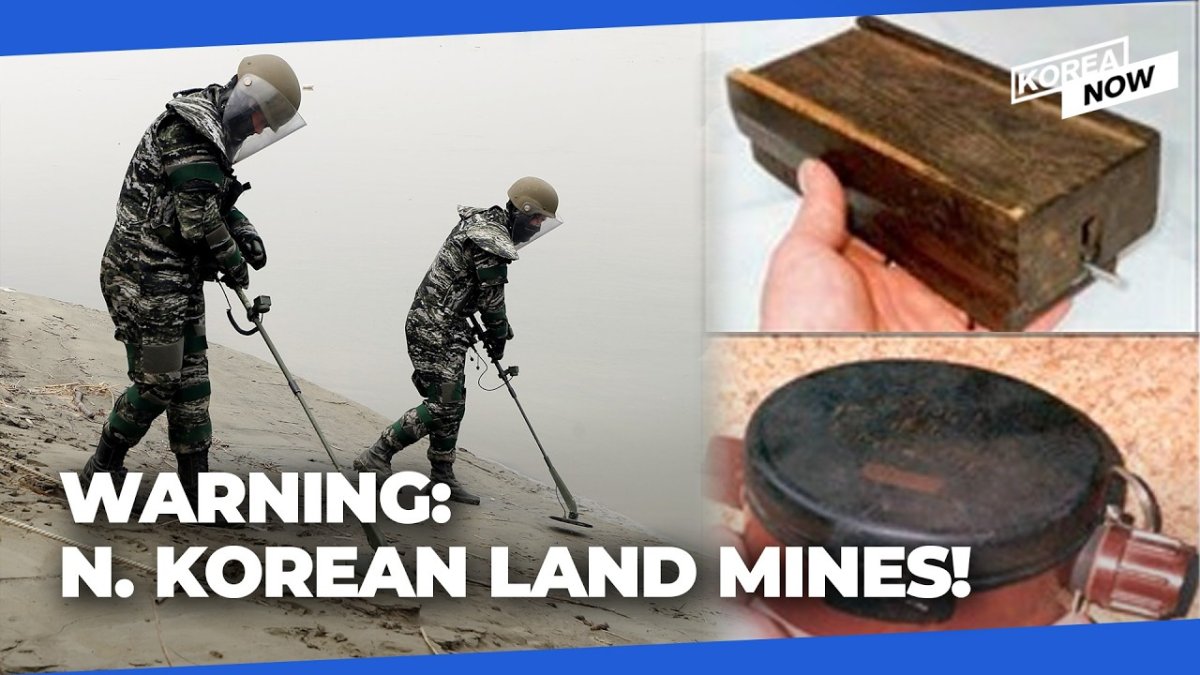
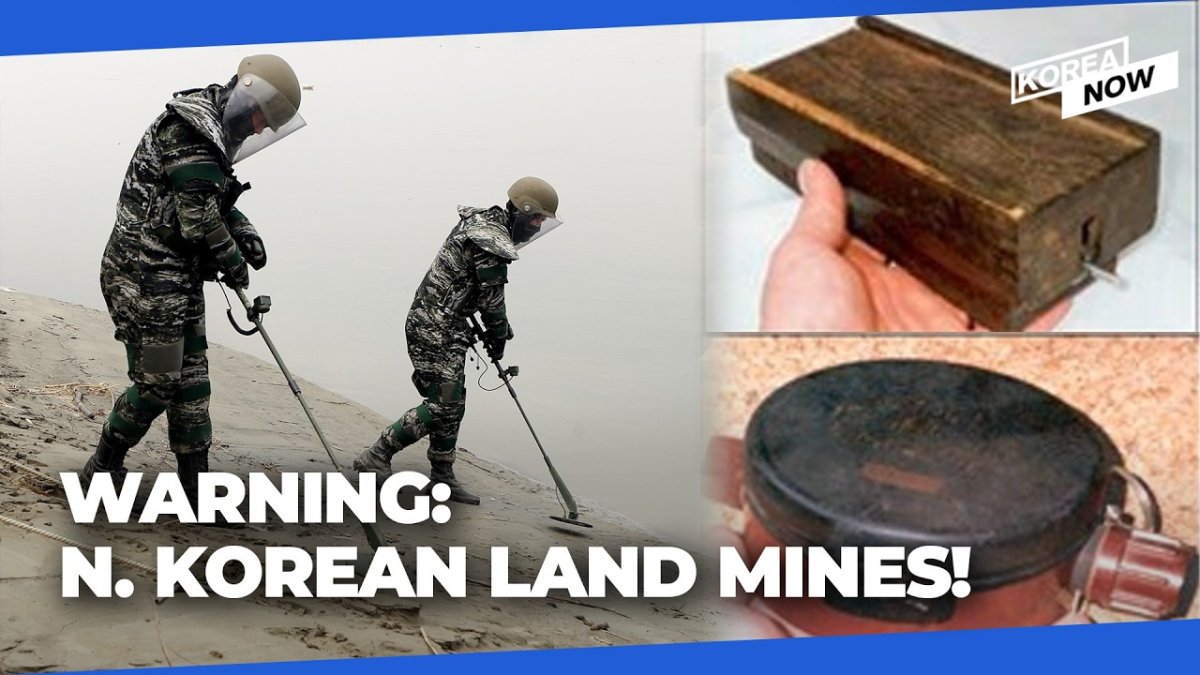
The Joint Chiefs of Staff Warning On 7 July 2026, South Korea's Joint Chiefs of Staff issued a public advisory concerning the possible movement of land mines from the northern side of the Demilitarized Zone. The statement explicitly noted the risk that mines planted around border areas could be dislodged during heavy downpours and flow southward through inter-Korean waterways.
The Joint Chiefs of Staff Warning
On 7 July 2026, South Korea's Joint Chiefs of Staff issued a public advisory concerning the possible movement of land mines from the northern side of the Demilitarized Zone. The statement explicitly noted the risk that mines planted around border areas could be dislodged during heavy downpours and flow southward through inter-Korean waterways.
The JCS identified the Imjin, Hantan, and Bukhan rivers as primary vectors that could transport objects into the Han River estuary. Residents in affected riverine districts were instructed to avoid any unidentified objects and to report suspected mines immediately to police or nearby military units.
The Enduring DMZ Mine Legacy
The Demilitarized Zone remains one of the world's most densely mined border regions. Since the 1953 Armistice Agreement, an estimated one to two million mines have been emplaced across the 250-kilometer corridor. North Korean forces have continued to reinforce minefields on their side of the Military Demarcation Line in subsequent decades.
These devices constitute a persistent physical legacy of the Korean War that is not confined to static defense. Seasonal hydrology periodically redistributes a portion of this ordnance across the political boundary.
Monsoon Flooding Dynamics
South Korea's 2026 jangma season has produced sustained heavy rainfall across the central and northern regions. The Imjin and its tributaries originate in or traverse North Korean territory before entering South Korea, creating a natural pathway for debris transport during peak discharge events.
Historical patterns show that floating objects, timber, and military materiel have crossed the border during previous intense monsoon periods. The same hydraulic forces that move sediment can dislodge and carry anti-personnel and anti-vehicle mines when riverbanks are overtopped.
Public Safety Measures
Local governments along the Imjin and Han river corridors have activated standard response protocols. These include temporary access restrictions to certain riverbanks, increased military patrols, and public information campaigns delivered through local broadcasting and emergency alert systems.
The JCS advisory emphasizes that mines may appear waterlogged or partially buried, making visual identification difficult for civilians. Prompt reporting to authorities remains the prescribed course of action rather than any attempt at self-removal.
Inter-Korean Security Implications
The recurring mine-transfer risk underscores the structural asymmetry of the inter-Korean border. While the DMZ functions as a buffer, shared river basins create unavoidable hydrological linkages that neither side fully controls during extreme weather.
Such incidents illustrate how environmental factors can generate security externalities even in the absence of deliberate provocation. They also highlight the practical limits of unilateral minefield management when rivers cross the Military Demarcation Line.
Historical Precedent
Similar warnings have been issued during earlier monsoon seasons when river levels rose rapidly. In each case, the combination of North Korean mine placement and southward river flow produced a predictable seasonal hazard for downstream communities in Gyeonggi and Gangwon provinces.
These episodes have not escalated into broader military confrontations, yet they require repeated coordination between civilian authorities and the Republic of Korea Armed Forces to mitigate civilian exposure.
Looking Ahead
Continued monitoring of river discharge and sediment transport will be necessary throughout the remainder of the 2026 rainy season. Long-term risk reduction would require either coordinated demining across the DMZ or engineered barriers at key river crossings—measures that remain subject to the broader political dynamics of inter-Korean relations.
For now, the immediate priority is public awareness and rapid reporting so that any mines carried by floodwaters can be neutralized before they reach populated areas.
By Prof. David Park, Staff Writer
This article was produced with AI-assisted research and editorial support. Reporting is based on sources cited in the article.
What's Your Reaction?
 Like
0
Like
0
 Dislike
0
Dislike
0
 Love
0
Love
0
 Funny
0
Funny
0
 Wow
0
Wow
0
 Sad
0
Sad
0
 Angry
0
Angry
0

East Asia/Technology Correspondent at Global1.News. Seoul-based voice covering Korean politics, technology, business, and culture. Analyzes how technology and geopolitics intersect across East Asia.












Comments (0)