
Uganda Lawyers Seek to End 'My Lord' Court Titles
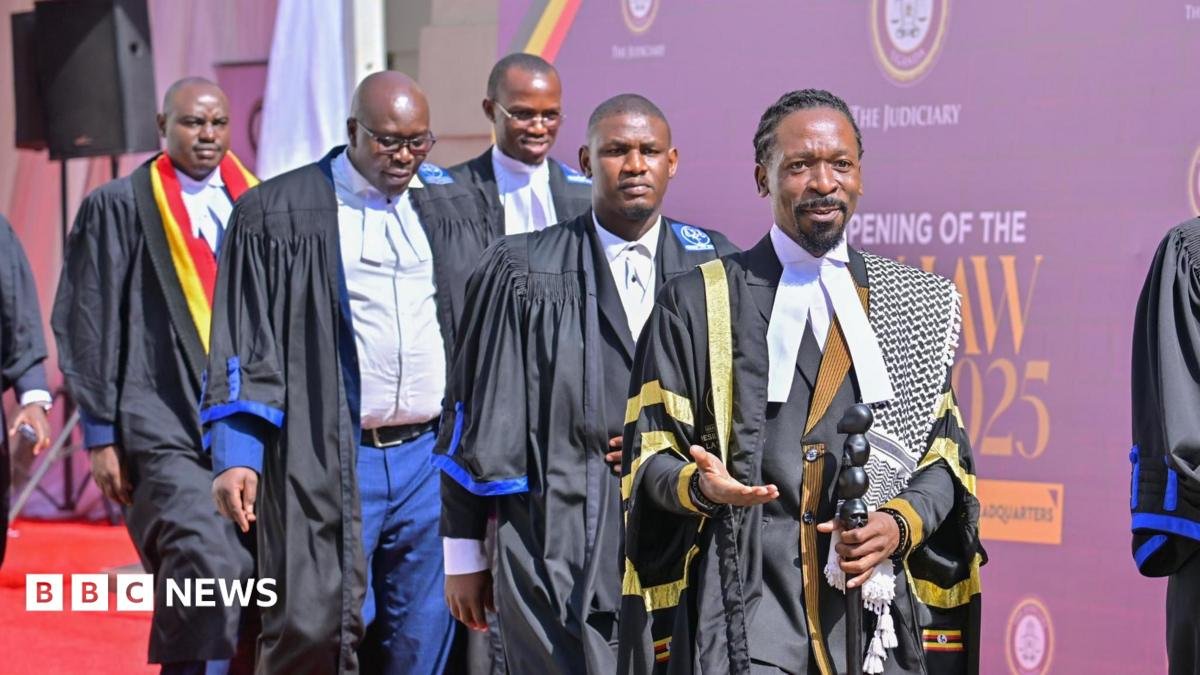
The Uganda Law Society Issues a Clear Directive The Uganda Law Society has directed its members to stop addressing judges as "My Lord" or "My Lady". The move also ends the practice of bowing before judicial officers. The society described these customs as feudal and colonial honorifics that place judges above citizens who are in reality their employers. Judiciary Spokesperson R
The Uganda Law Society Issues a Clear Directive
The Uganda Law Society has directed its members to stop addressing judges as "My Lord" or "My Lady". The move also ends the practice of bowing before judicial officers. The society described these customs as feudal and colonial honorifics that place judges above citizens who are in reality their employers.
Judiciary Spokesperson Responds Firmly
Judiciary spokesperson James Ereemye told the BBC that the Uganda Law Society holds no authority to instruct judges on what to do or say. The courts will continue to demand the known decorum from lawyers. Ereemye added that the courts form an independent arm of government and dismissed the society as just a section of young people who have failed to know the principles of agenda setting in management and administration.
Colonial Inheritance Shapes Uganda's Courtroom Practices
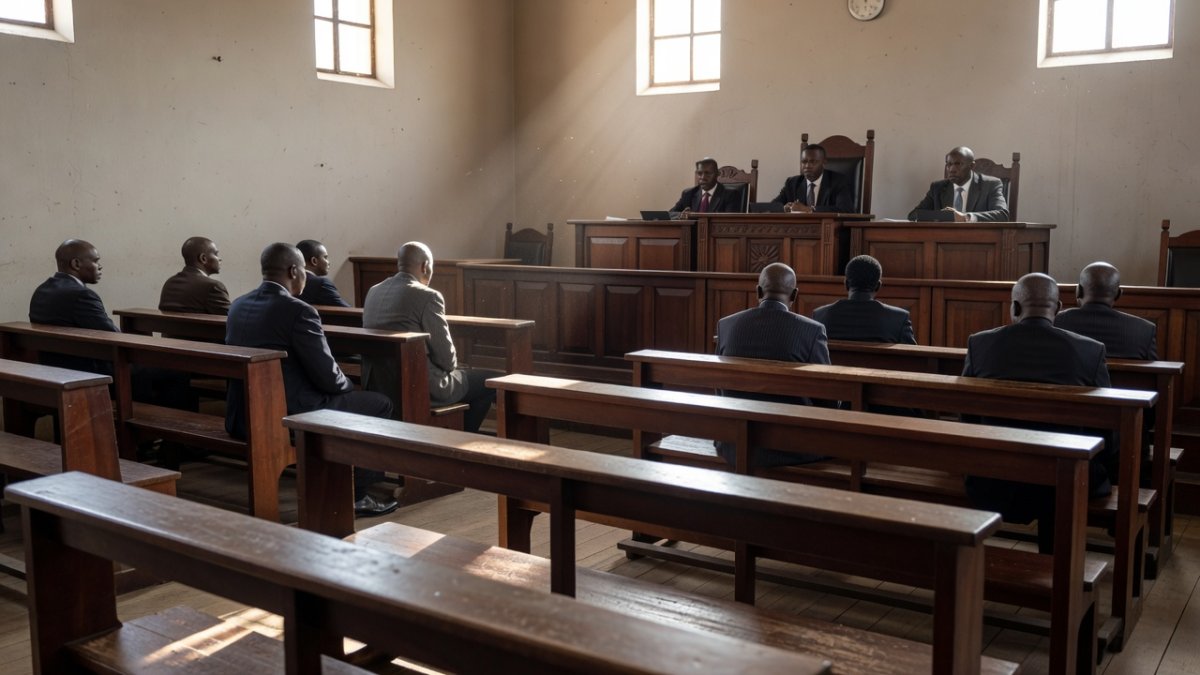
Like many former British colonies, Uganda inherited its legal system and many courtroom traditions from the UK. The Uganda Law Society stated that this archaic colonial structure has contributed to the failure of Uganda's judicial system. The society noted that colonial courtroom practices force Ugandans into postures of humiliation as the powerful enjoy comfort and deference.
Practical Changes Proposed by the Society
The practice of bowing or any other form of physical subservience before judicial officers is henceforth prohibited for all members of the Uganda Law Society. Lawyers should instead use plain forms of address such as Mr Justice, Madam Justice, Mr Judge, Madam Judge, Mr Magistrate or simply refer to judicial officers by their surnames where appropriate. All advocates and litigants appearing before any court or tribunal shall stand upright and speak as free citizens. The statement was signed by society president Isaac Ssemakadde as part of reforms aimed at decolonising justice and restoring dignity to the people.
Similar Conversations Across African Nations
Across Africa, lawyers and other legal practitioners have long debated whether colonial-era courtroom traditions, including wigs and robes, should be abandoned as part of broader efforts to reform judicial systems. In 2011, Kenya's then-Chief Justice Willy Mutunga criticised the judges' dress code and chose to take his oath of office in a suit. Similar debates have emerged in Zimbabwe, Malawi and Ghana, where critics argue that some colonial-era court practices and attire are no longer appropriate for modern Africa.
What These Steps Mean for African Legal Identity
The exchange in Uganda highlights ongoing efforts to examine how inherited legal customs fit within contemporary African societies. By connecting courtroom conduct to daily experiences of dignity and equality, the discussion touches on wider questions of how justice systems reflect local culture and values. The push and response together show the tension between professional bodies and judicial institutions as countries continue to shape their own legal identities after independence.
By Amara Diop, Staff Writer
This article was produced with AI-assisted research and editorial support. Reporting is based on sources cited in the article.
What's Your Reaction?
 Like
0
Like
0
 Dislike
0
Dislike
0
 Love
0
Love
0
 Funny
0
Funny
0
 Wow
0
Wow
0
 Sad
0
Sad
0
 Angry
0
Angry
0

West Africa/Sahel Correspondent at Global1.News. Dakar-based journalist covering politics, security, climate, and development across Francophone and Anglophone West Africa. Tells the stories of a region undergoing profound transformation.















Comments (0)