
IDF Gaza Strikes Continue as Morocco Joins Stabilization Force
In a recent i24NEWS English report, Israeli operations persist alongside new diplomatic developments in the Gaza stabilization process. IDF Maintains Pressure on Hamas as Morocco Joins Gaza Force Jerusalem, Israel — On July 16, 2026, the IDF conducted targeted strikes in Khan Younis and Deir al-B.
In a recent i24NEWS English report, Israeli operations persist alongside new diplomatic developments in the Gaza stabilization process.
IDF Maintains Pressure on Hamas as Morocco Joins Gaza Force
Jerusalem, Israel — On July 16, 2026, the IDF conducted targeted strikes in Khan Younis and Deir al-Balah while Morocco formally signed its Participating Country Agreement with the US-backed International Stabilization Force for Gaza.
IDF Operations Continue in Gaza
The IDF carried out sporadic strikes on July 16, 2026, in eastern Khan Younis and Deir al-Balah, focusing on Hamas infrastructure. These actions followed the October 2025 ceasefire secured under US President Donald Trump's Gaza peace plan announced September 29, 2025.
In the ongoing IDF operations across Gaza, precision airstrikes have targeted Hamas infrastructure in eastern Khan Younis and Deir al-Balah using GBU-39 Small Diameter Bombs launched from F-16I Sufa jets and Hellfire missiles fired from Apache helicopters, while ground patrols by the Givati Brigade secure the buffer zone along the Gaza perimeter with Merkava Mark IV tanks equipped with Trophy active protection systems. The IDF Southern Command, led by Maj. Gen. Yaniv Asor, has executed over 180 strikes since the October 2025 ceasefire under President Trump's plan, focusing on an intelligence targeting cycle that integrates Unit 8200 signals intelligence with Shin Bet human sources to disrupt Hamas rebuilding efforts in the 30-40 percent of territory still under group control. These actions address the challenge of Hamas reconstituting battalions despite the truce, with specific emphasis on preventing rocket manufacturing sites near civilian areas in Jabalia and Rafah, where two million residents face restricted movement and aid delays amid ongoing threats.
Israeli security officials in the IDF Southern Command confirmed the operations targeted remaining Hamas cells operating in areas where the group still controls 30-40 percent of Gaza territory. Approximately two million civilians remain under Hamas influence in these zones.
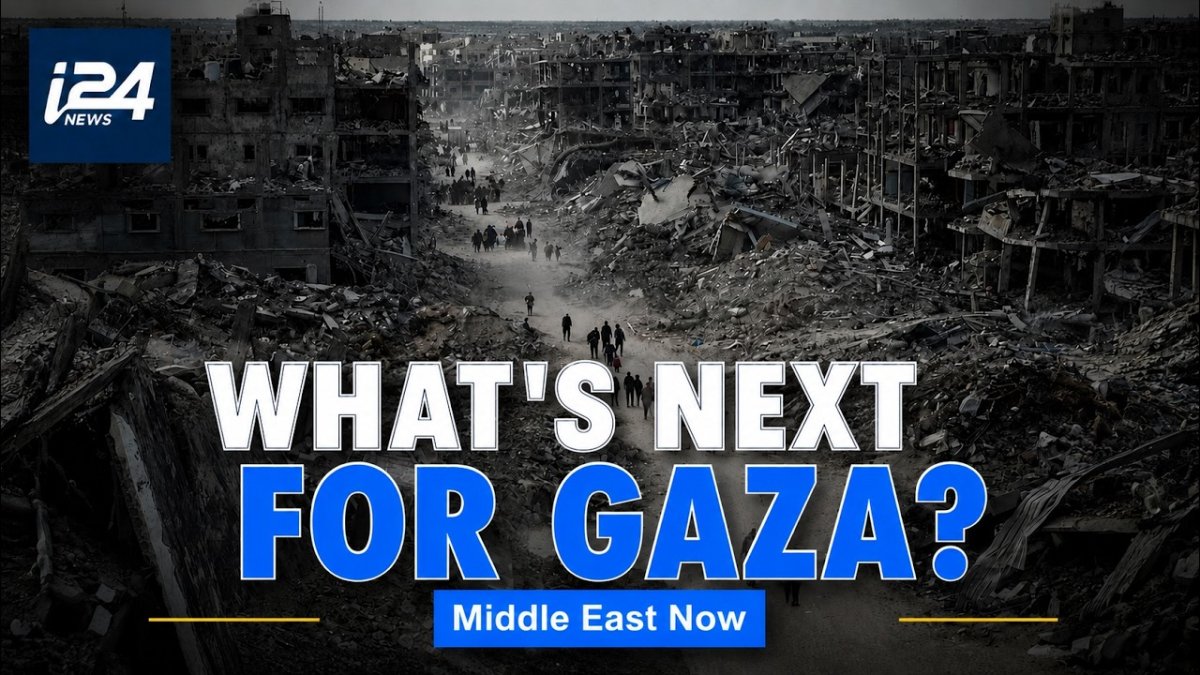
Targeted Elimination of Hamas Operatives
The IDF confirmed the killing of Hussam al-Shafie, a Hamas member of the Eastern Khan Younis Battalion. Al-Shafie participated in the October 7, 2023 raid on Kibbutz Nirim and assisted in the abduction of the bodies of Col. Asaf Hamami and two soldiers.
Israeli security officials report that the operations have neutralized key figures like Hussam al-Shafie of the Eastern Khan Younis Battalion, who participated in the October 7, 2023 Kibbutz Nirim raid, and sniper commander Omar Ahmed Abu Qassem, using drone strikes coordinated through the Southern Command's forward headquarters in Beersheba. Ground patrols in the buffer zone employ Namer armored personnel carriers to conduct house-to-house searches, mitigating risks to Negev border communities while Hamas attempts to rearm violate ceasefire terms.
Separately, the IDF eliminated Omar Ahmed Abu Qassem, commander of a Hamas sniper battalion. Abu Qassem had been directing efforts to rebuild Hamas military capabilities in violation of the ceasefire terms.
Hamas Violates Ceasefire
Hamas concluded another round of truce talks in Cairo on July 15, 2026, yet continued attempts to reconstitute armed units. The group maintains operational control over significant portions of Gaza despite the October 2025 ceasefire.
The civilian impact remains acute in Deir al-Balah and Khan Younis tent camps, where Nasser Hospital recorded casualties from strikes on rebuilt command posts, underscoring the IDF's strategy of maintaining pressure to prevent full Hamas recovery without full-scale reoccupation. Three family members died in an IDF strike on a Deir al-Balah home, while Nasser Hospital reported one man killed in a tent camp strike in Khan Younis. These incidents occurred amid ongoing Hamas efforts to rearm.
Morocco Signs on to Stabilization Force
On July 16, 2026, Morocco became the first Arab state to publicly commit forces to the International Stabilization Force. The US-backed Board of Peace announced the signing of the Participating Country Agreement in Jerusalem.
Morocco's strategic decision to join the International Stabilization Force builds on its 2020 normalization with Israel under the Abraham Accords, which delivered economic gains through joint technology ventures and agricultural projects worth hundreds of millions in Rabat, alongside diplomatic recognition of its Western Sahara sovereignty claims by the United States. King Mohammed VI has positioned Morocco as a regional leader by committing forces for aid delivery and Palestinian Police training, enhancing Rabat's standing in the Arab world as a moderate actor bridging Gulf states and North Africa.
Morocco follows the UAE and Bahrain, which normalized ties with Israel through the 2020 Abraham Accords, as well as Kosovo in 2021 and Kazakhstan in 2025. The Kosovo Security Force joined the ISF on July 12, 2026.
The International Stabilization Force Takes Shape
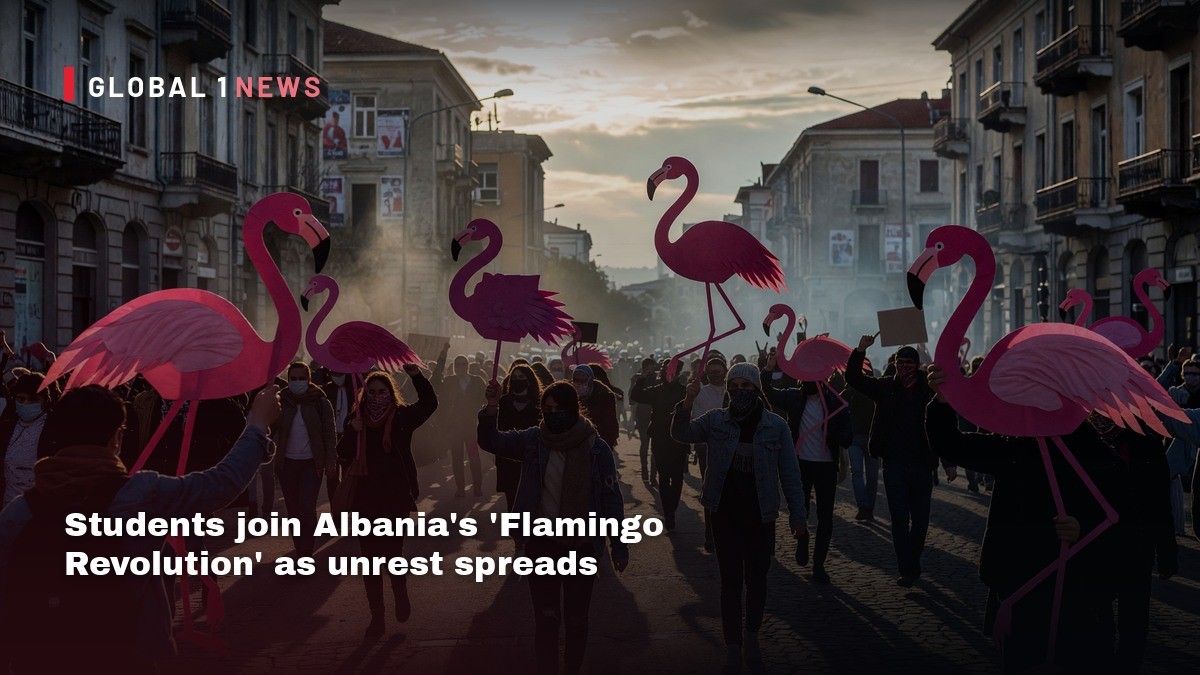
Moroccan forces will support humanitarian aid delivery and assist in training the Palestinian Police Force. Around five countries are expected to join the ISF overall, with Albania and Kazakhstan also under consideration.
The International Stabilization Force is taking shape through commitments from multiple nations following the September 29, 2025 peace plan announcement, with the July 2026 signing of Participating Country Agreements marking a structured timeline toward deployment by late 2026 under the US-backed Board of Peace chaired by former officials from the Abraham Accords framework. Kosovo has contributed logistics units including transport vehicles and engineering teams from the Kosovo Security Force, while Morocco has deployed senior officers for coordination roles, alongside expected additions from Albania and Kazakhstan providing medical and engineering support.
EU Commissioner Dubravka Suica welcomed the Board of Peace participation in the EU Palestine Donor Group, linking the force to broader reconstruction efforts in Gaza.
Unlike the more static UNIFIL model in Lebanon, the ISF emphasizes active training of the Palestinian Police Force and humanitarian aid facilitation, drawing on five core participating countries to avoid the mandate limitations that hampered prior forces.
Broader Diplomatic Context
The ISF forms a central element of President Donald Trump's September 29, 2025 peace plan. Israeli officials in the security cabinet view Moroccan participation as an extension of the Abraham Accords framework that strengthened ties between Israel and moderate Arab states.
The implications extend to potential followers like Oman or Sudan, as Morocco leverages its participation to secure further Western Sahara support and counter Iranian influence in the Maghreb. By signing the July 16, 2026 agreement in Jerusalem, Rabat gains access to intelligence-sharing frameworks that bolster its counterterrorism capabilities, while diplomatically isolating rejectionist elements in the Arab League.
Shin Bet assessments indicate that expanded international involvement could limit Hamas rebuilding efforts in the 30-40 percent of Gaza still under its control.
Analysis: What This Means for Israel and Gaza
Morocco's commitment signals growing Arab state willingness to back post-ceasefire stability measures, directly supporting Israeli security interests by reducing Hamas operational space. This development strengthens the diplomatic architecture built since the 2020 Abraham Accords.
For Israel and Gaza, the developments signal a shift in Netanyahu government's security policy toward hybrid operations combining targeted IDF strikes with international stabilization, allowing partial IDF redeployment from high-intensity zones while retaining buffer zone control to protect Negev communities from renewed threats. If the ISF succeeds in training local forces and delivering aid, it could enable a Palestinian governance alternative through reformed police structures, paving the way for humanitarian reconstruction starting with water infrastructure in Khan Younis by 2027.
For Israeli readers, the combination of continued IDF targeting of specific Hamas figures like Hussam al-Shafie and Omar Ahmed Abu Qassem with new ISF partners reduces immediate threats while advancing long-term regional normalization. The force's focus on aid and police training addresses governance gaps that Hamas exploits.
Long-term security implications include fortified Gaza border defenses and enhanced intelligence cycles to monitor rearmament, with the Abraham Accords expansion via Morocco offering diplomatic leverage against Iranian proxies. Netanyahu's strategy prioritizes deterrence through ongoing eliminations like those of al-Shafie and Abu Qassem, while betting on ISF contributions to reduce direct IDF burdens.
Regional dynamics now hinge on whether additional states follow Morocco's lead before Hamas can consolidate further control. Israeli policymakers will monitor Knesset debates on ISF coordination to ensure operations align with national security requirements.
By Hannah Berg, Staff WriterThis article was produced with AI-assisted research and editorial support. Reporting is based on sources cited in the article.
What's Your Reaction?
 Like
0
Like
0
 Dislike
0
Dislike
0
 Love
0
Love
0
 Funny
0
Funny
0
 Wow
0
Wow
0
 Sad
0
Sad
0
 Angry
0
Angry
0
Israel Correspondent at Global1.News. Based in Tel Aviv, covering Israeli politics, security, technology, and society. Provides balanced, deeply-sourced reporting on one of the most closely-watched regions in the world.











Comments (0)