
Trump Calls for Immediate Halt to Israel-Iran Exchanges
Trump Calls for Immediate Halt to Israel-Iran Exchanges The latest round of direct strikes between Israel and Iran has prompted U.S. President Donald Trump to urge both sides to cease fire. In a Truth Social post on June 8, 2026, Trump stated that Israel and Iran must immediately stop shooting, marking the first public U.S. intervention since the April 8 ceasefire took effect.
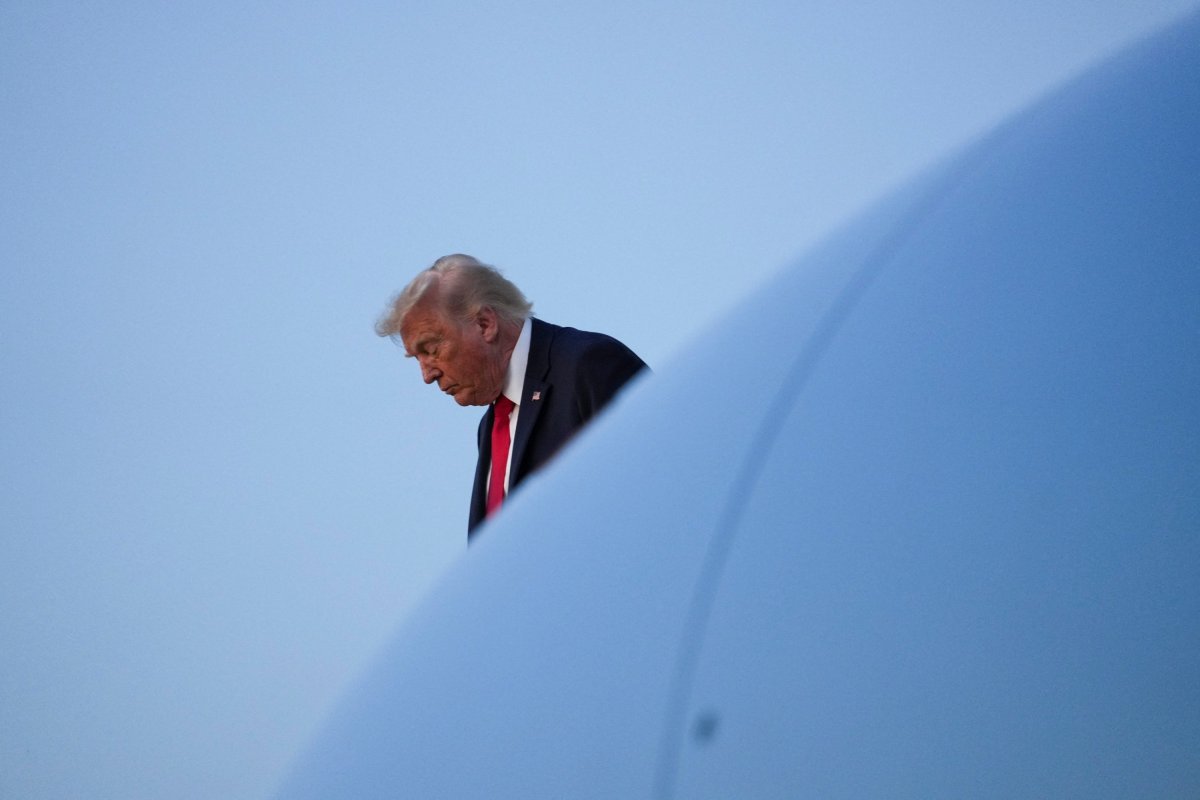
The latest round of direct strikes between Israel and Iran has prompted U.S. President Donald Trump to urge both sides to cease fire. In a Truth Social post on June 8, 2026, Trump stated that Israel and Iran must immediately stop shooting, marking the first public U.S. intervention since the April 8 ceasefire took effect.
Sequence of Events Since the April Ceasefire
On June 7, Iran launched ballistic missiles toward northern Israel. Iranian officials framed the action as a response to prior Israeli operations in Lebanon, insisting that the April agreement covered all fronts. Israel rejected that interpretation and conducted airstrikes the following morning on the Karun Petrochemical Company in Mahshahr, Khuzestan province, along with additional military targets near Isfahan, Karaj, Tabriz, and Tehran.
These exchanges represent the most significant breach since the temporary ceasefire began in early April. The timeline shows that the original U.S.-Israel operations against Iranian nuclear and military sites started on February 28, 2026, followed by the April 8 pause and a separate Lebanon ceasefire announcement on April 10.
Disputed Scope of the April Agreement
Iran maintains that the April arrangements included Lebanese territory and restricted Israeli actions across multiple fronts. Washington and Israel have consistently viewed the ceasefire as narrower, focused primarily on direct U.S.-Iran and Israel-Iran lines of engagement. This difference in interpretation has allowed limited operations to resume in Lebanon while exposing the fragility of the broader pause.
The Karun petrochemical strike stands out because it targets an energy facility, a category previously avoided during the initial phase of the 2026 conflict. Such a choice signals an Israeli willingness to expand the range of economic pressure points if it judges Iranian missile activity as a violation.
Strategic Calculations for Each Party
Iran seeks to demonstrate that any Israeli activity in Lebanon triggers a response, thereby preserving leverage in future talks and protecting its regional proxy network. Israel aims to degrade Iranian capabilities and deter further missile launches while testing the limits of the current U.S. administration’s tolerance for escalation.
The United States under Trump appears focused on preventing a wider resumption of hostilities that could draw American forces back into sustained operations. The president’s public statement serves both to de-escalate and to signal that Washington still holds influence over the pace of events.
Gulf States’ Concerns Over Energy and Stability
Saudi Arabia and other Gulf Cooperation Council members have watched the renewed exchanges with caution. Any sustained disruption near the Strait of Hormuz raises the prospect of higher oil-price volatility, directly affecting Vision 2030 diversification timelines in Riyadh and similar programs in the UAE and Qatar.
The IRGC has previously signaled readiness to threaten regional energy infrastructure. While no new specific threats have been issued in the current cycle, Gulf planners must account for the possibility that further Israeli strikes on Iranian energy sites could prompt asymmetric responses affecting shipping lanes or neighboring facilities.
Impact on Ongoing U.S.-Iran Negotiations
The April ceasefire had opened a narrow window for direct talks between the Trump administration and Iranian representatives. The June 7-8 incidents place those discussions under immediate pressure. Both sides now face domestic constituencies that view restraint as weakness, complicating efforts to extend the pause into a more durable arrangement.
Regional actors such as Turkey and Egypt have so far avoided direct involvement, yet any prolonged instability risks drawing in additional players through refugee flows, sectarian mobilization, or competition over reconstruction influence in Lebanon.
Outlook for Regional Alliances and Energy Markets
The current episode illustrates how quickly localized disputes can test the boundaries of the 2026 ceasefire framework. Continued Israeli operations in Lebanon combined with Iranian missile responses create a feedback loop that neither side has yet shown willingness to break unilaterally.
Oil markets will monitor Hormuz traffic closely in the coming weeks. Even without a full closure, periodic threats or insurance-rate spikes can shift global supply expectations and affect OPEC+ coordination among Saudi Arabia, the UAE, and other producers.
Over the longer term, the episode reinforces the centrality of the Iranian nuclear file and proxy dynamics in shaping Middle East security. Any durable settlement will require clearer definitions of what the April arrangements actually prohibit, particularly regarding Lebanon and energy infrastructure.
By Malik Hassan, Staff WriterThis article was produced with AI-assisted research and editorial support. Reporting is based on sources cited in the article.
What's Your Reaction?
 Like
0
Like
0
 Dislike
0
Dislike
0
 Love
0
Love
0
 Funny
0
Funny
0
 Wow
0
Wow
0
 Sad
0
Sad
0
 Angry
0
Angry
0

India/South Asia Correspondent at Global1.News. Analytical voice with a background in science and health journalism. Based in New Delhi, covering Indian politics, education, healthcare, technology, and policy. Breaks down complex data into clear, actionable reporting.













Comments (0)