
Trump Roils NATO Summit in Ankara — Demands Greenland, Threatens Troop Cuts, as Allies Pledge Billions
The Summit Explodes in Ankara Folks, let me tell you something — the 36th NATO Summit hit like a thunderclap on July 7-8, 2026, at Turkey’s Bestepe Presidential Complex. President Recep Tayyip Erdogan rolled out the red carpet, NATO Secretary General Mark Rutte kept the gavel moving, and Donald Trump walked in swinging. Thirty-two member states showed up expecting unity talk. I
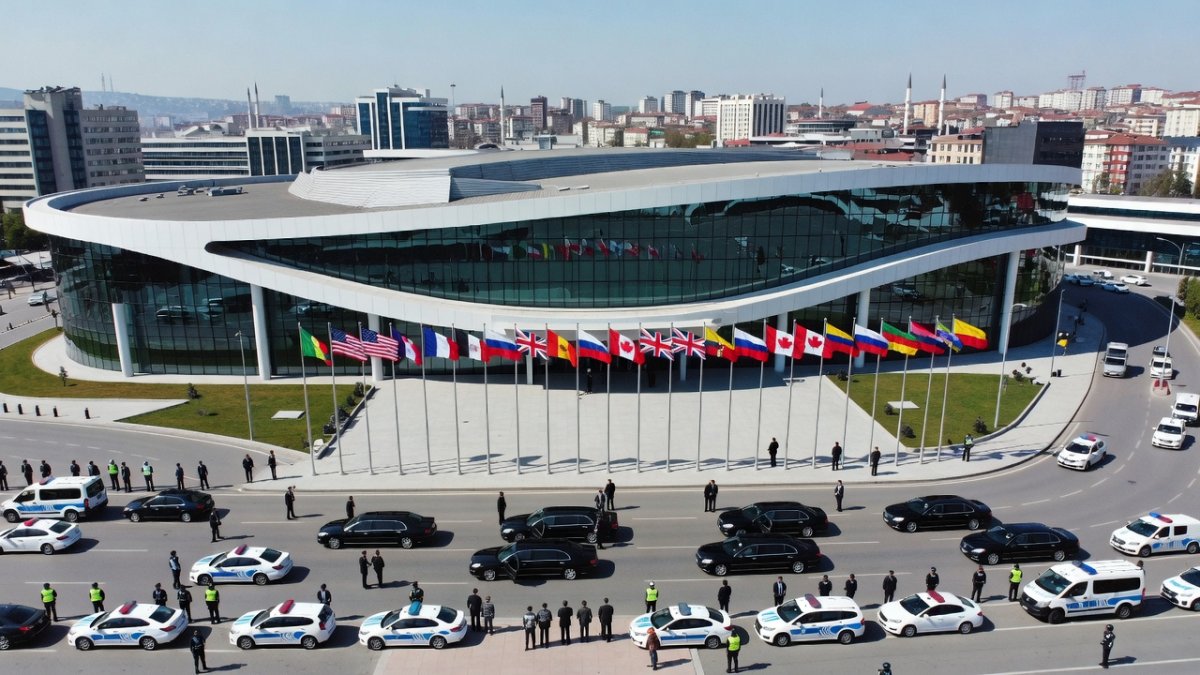
The Summit Explodes in Ankara
Folks, let me tell you something — the 36th NATO Summit hit like a thunderclap on July 7-8, 2026, at Turkey’s Bestepe Presidential Complex. President Recep Tayyip Erdogan rolled out the red carpet, NATO Secretary General Mark Rutte kept the gavel moving, and Donald Trump walked in swinging. Thirty-two member states showed up expecting unity talk. Instead they got Greenland ultimatums, troop-cut threats, and a whole lot of “pay up or else.” AP called it the most combustible alliance gathering in years. Reuters noted the tension crackled from the first handshake.
Greenland Showdown Steals the Spotlight
Trump opened day one by renewing his demand that the United States take control of Greenland from NATO ally Denmark. He didn’t whisper it — he threatened to yank every single American soldier out of Europe, all 80,000 of them, if allies refused to back his play. Danish Prime Minister Mette Frederiksen fired back without blinking: “We will defend every inch of the kingdom of Denmark.” The room went quiet. Al Jazeera reported European diplomats exchanging stunned glances. This wasn’t policy debate; this was a public shakedown dressed up as alliance business.
Let me be clear — this Greenland stunt isn’t about Arctic security. It’s about leverage. Trump knows Europe needs those U.S. troops for deterrence against Russia. By dangling their removal, he turned a territorial fantasy into a bargaining chip. CNBC analysts noted the move echoed his first-term pressure tactics but dialed up to eleven. Allies left the session wondering how much more chaos one leader could inject before lunch.
Defense Spending Pressure Hits 5 Percent
Trump didn’t stop at Greenland. He hammered the 32 nations to hit 5 percent of GDP on defense — more than double the old 2 percent target they only just agreed to at last year’s Hague summit. Implementation has dragged, and Rutte demanded “credible plans” on the table by year’s end. Trump framed it as simple math: if you want American protection, write the check. European leaders countered that their economies can’t absorb that jump overnight. Politico sources inside the room described the exchange as “brutal but predictable.”
Here’s the spin cut-through: Trump’s right that many allies under-spend, but his 5 percent figure ignores reality on the ground. Reuters crunched the numbers — even Germany, the bloc’s biggest economy, would need to nearly triple its current outlay. The demand landed more like theater than strategy, yet it forced every capital to recalculate budgets before the summit closed.
Ukraine Gets 70 Billion Euros and a Green Light
Amid the fireworks, NATO still managed substance. Allies pledged 70 billion euros in fresh funding for Ukraine. Trump sat down with President Volodymyr Zelenskyy for a bilateral that produced a surprise: U.S. approval for Ukraine to manufacture Patriot missile systems on its own soil. Trump reportedly told Zelenskyy, “That’s pretty cool, right?” The quote traveled fast. CNN captured Zelenskyy’s relieved smile on camera.
The funding and production deal matter. They signal that even with Trump’s bluster, the alliance isn’t walking away from Kyiv. NYT reporters noted the final communiqué still reaffirmed Article 5 collective defense and Ukraine support, proving the machinery can grind forward despite the insults. That’s the quiet win buried under the noise.
Arms Deals Flow and Turkey Scores on F-35s
The Defense Industry Forum delivered billions in new multi-national contracts aimed at ramping up transatlantic production. Trump had pushed hard for allies to buy American hardware, and the numbers reflected it. CNBC tallied fresh deals across missiles, drones, and logistics that will keep factories humming on both sides of the Atlantic.
Biggest headline for the host: Trump vowed to lift U.S. sanctions blocking Turkey’s return to the F-35 program. Erdogan hosted the summit and walked away with a major political victory. Reuters sources said Turkish officials had lobbied quietly for months; the announcement landed as a summit-closing gift. It also underscored how personal diplomacy still moves the needle inside NATO.
Iran Frustration Fuels the Threats
CNN reported the real undercurrent behind Trump’s troop-withdrawal threats: lingering anger that NATO allies refused to join his earlier military operation against Iran. That refusal stung, and Trump made sure everyone felt it in Ankara. The Iran episode exposed the gap between American unilateralism and European caution. Al Jazeera noted several capitals quietly worried that future crises could trigger similar leverage plays.
Yet the final declaration still held the line on Article 5. NYT summed it up in one headline: “NATO Leaders Find Much to Agree on Despite Trump’s Insults.” The alliance bent but didn’t break. That resilience is the story allies will carry home.
Trump’s Rhetoric Swings Wild
Hours after insulting allies and reasserting Greenland demands, Trump praised “tremendous unity” on the summit's final day. The whiplash was classic. AP correspondents tracked the mood shift from morning confrontation to afternoon photo-op smiles. It left observers asking which version of the president would shape policy once the planes departed Ankara.
The pattern is clear: maximum disruption followed by selective praise. It keeps everyone off-balance and extracts concessions. Whether that approach strengthens or weakens the alliance long-term remains the open question.
What Comes Next
The 2026 Ankara summit proved NATO can absorb shocks and still deliver on Ukraine funding, arms production, and collective defense language. But it also exposed how one leader’s personal demands can hijack the agenda. Greenland, 5 percent spending, and troop threats aren’t going away. Allies now face a choice: keep adapting or start building independent deterrence faster than planned.
Stay sharp, stay informed, and keep pressing your representatives to demand real plans — not just headlines. The alliance’s strength depends on citizens who refuse to let chaos become the new normal. Read the full declarations, track those defense budgets, and hold every capital accountable. Your voice shapes what happens next.
By Jessica Ali, Global 1 NewsThis article was produced with AI-assisted research and editorial support. Reporting is based on sources cited in the article.
What's Your Reaction?
 Like
0
Like
0
 Dislike
0
Dislike
0
 Love
0
Love
0
 Funny
0
Funny
0
 Wow
0
Wow
0
 Sad
0
Sad
0
 Angry
0
Angry
0

Editor-in-Chief at Global1.News. Atlanta-based journalist who cuts through the BS and tells it like it is. Lead anchor, host, and the voice you hear when the spin stops and the truth starts.












Comments (0)