
Zhang Zhidong: China-Mexico Fentanyl Pipeline on Trial
In the sun-baked streets of Culiacán, Sinaloa, a Chinese national named Zhang Zhidong built a bridge between distant factories and local cartel labs that now floods the United States with lethal fentanyl.
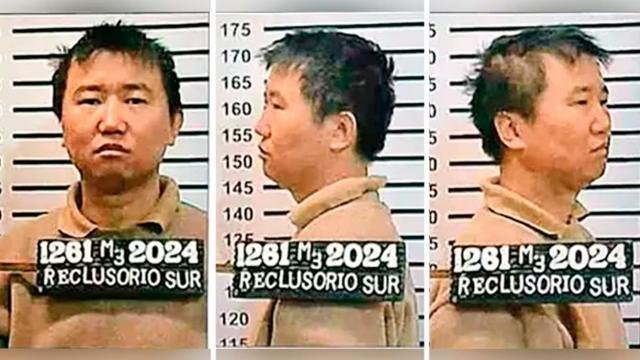
Zhang Zhidong and the Sinaloa Fentanyl Pipeline
Culiacán, Mexico — The BBC investigation traces how a former mining employee became the cartel’s primary link to Chinese chemical suppliers, exposing vulnerabilities that stretch from Pacific ports to U.S. streets.
From University to Iron Ore Fields
Zhang Zhidong graduated from Peking University in 2010 with a Spanish degree and reached Mexico the following year to join a Chinese-owned iron ore mining operation near Culiacán. The BBC investigation notes that the company collapsed in 2013, leaving Zhang without formal employment yet still inside Sinaloa state. Local realities in rural Mexico, where foreign mining ventures often leave behind idle equipment and displaced workers, allowed him to remain rather than return home. According to the BBC reports, this early immersion in the region’s informal economy positioned him to observe how cross-border logistics actually functioned.
Entry Into the Cartel’s Inner Circle
The BBC investigation reveals that Zhang formed a romantic relationship with a female relative of a Sinaloa cartel leader, granting him direct access to decision-makers. Cartel coordinator Enrique told BBC reporters that Zhang became “number one” in securing fentanyl precursors from China. In Sinaloa’s tightly knit criminal hierarchy, such personal ties often outweigh formal contracts, mirroring patterns seen across Latin American underworlds where family connections determine survival. The BBC reports emphasize that this relationship transformed an outsider into a trusted supplier by 2016.
Building the Precursor Supply Chain
According to the BBC investigation, Zhang coordinated shipments of precursor chemicals from Chinese factories directly to clandestine laboratories operating around Culiacán. Cartel member Luis described to BBC journalists how these materials arrived in bulk, enabling cooks to produce fentanyl that moved north across the border. Sinaloa’s Pacific coastline and established smuggling corridors, long used for other commodities, provided the physical routes. The BBC reports that Zhang’s Spanish fluency and local knowledge allowed him to navigate both port officials and cartel intermediaries without drawing early attention.
Zhang allegedly began operating the trafficking and money-laundering network in June 2016, earning recognition from cartel member Enrique as "number one" in constructing the precursor supply chain that fed Culiacán labs. The collapsed mining company he once ran offered a ready-made logistical cover, allowing chemical shipments to move under the guise of industrial activity in a region where mining infrastructure already crisscrosses remote areas.
This flow mirrors patterns observed elsewhere in Latin America, where Chinese chemical exports have reached multiple criminal groups, with Sinaloa's operations representing only the most visible node in a wider regional network.
The cartel's ability to sustain such a supply line despite the dangers reflects the economic incentives that keep the route open, as the finished product commands prices far exceeding those of traditional heroin. Zhang's dual role in trafficking and laundering provided the financial backbone that allowed the chain to scale, turning raw precursors into a steady stream of lethal doses.
Dangers Inside the Makeshift Labs
The BBC investigation documents the lethal risks faced by those handling the chemicals in Sinaloa’s hidden labs. Luis recounted that at least five fellow cooks died from toxic exposure during production. These deaths reflect broader patterns in Latin America where makeshift chemical operations lack safety standards, turning workers into disposable labor. According to the BBC reports, the potency of fentanyl meant even small errors proved fatal, underscoring how the trade extracts human costs long before the product reaches American streets.
U.S. Prosecution and 2025 Court Appearance
Zhang appeared in a New York courtroom in 2025 facing charges of drug trafficking and money laundering, according to the BBC investigation. Deputy Attorney General Todd Blanche described him as one of “the world’s most dangerous traffickers.” U.S. court filings state that Zhang’s organization has run since June 2016, moving both narcotics and profits. The BBC reports that he has pleaded not guilty and remains in custody awaiting trial, while former President Trump’s “narco-terrorist” rhetoric has linked the case to broader tariff disputes with China and Mexico.
Former President Trump's characterization of fentanyl dealers as "narco-terrorists" directly linked these prosecutions to trade policy, illustrating how the triangular relationship among Washington, Beijing, and Mexico City has grown increasingly strained. Latin American governments, including Mexico's, face structural limits in intercepting precursor flows that originate far beyond their borders, leaving enforcement largely dependent on U.S. legal actions that often arrive after the damage is done.
The case underscores the challenges of holding foreign operatives accountable when their activities span multiple jurisdictions, with Zhang's Peking University background and long residence in Mexico complicating extradition and evidence-sharing. As tens of thousands of Americans die annually from a substance fifty times more potent than heroin, the prosecution serves as a focal point for tensions that extend well beyond any single courtroom.
Regional Power and Lasting Consequences
The fentanyl trade has reshaped Sinaloa's economy by concentrating power in the hands of those who control the precursor pipeline, while simultaneously intensifying violence as rival factions compete for lab access and distribution routes. Cartel cooks like Luis operate under constant risk, yet the organization's status as one of the world's most powerful criminal groups ensures a steady supply of recruits willing to replace those lost to chemical exposure.
Similar shifts have occurred in other Latin American regions where synthetic drug production has taken hold, replacing older plant-based economies with more volatile, chemically dependent operations that demand tighter control over territory and personnel. In Sinaloa, this transition has embedded the cartel deeper into local society, making disruption through traditional security strategies increasingly difficult.
Mexico's security approach now hinges on U.S. cooperation to target figures like Zhang, yet the source of precursors remains outside direct Mexican reach. The resulting pattern leaves communities caught between cartel dominance and external pressure, with the human cost measured in both local deaths and the tens of thousands of overdose fatalities north of the border each year.
The BBC investigation shows how Zhang’s network strengthened the Sinaloa cartel’s dominance in Culiacán and surrounding municipalities. In recent years, the influx of Chinese precursors has intensified competition among local factions, fueling violence that echoes across northern Mexico. According to the BBC reports, the pipeline’s efficiency has made fentanyl production more profitable than older crops such as marijuana or opium poppies. This shift continues to reshape Sinaloa’s economy and security landscape, leaving communities caught between cartel control and sporadic government operations. By Elena Vasquez, Staff Writer
This article was produced with AI-assisted research and editorial support. Reporting is based on sources cited in the article.
What's Your Reaction?
 Like
0
Like
0
 Dislike
0
Dislike
0
 Love
0
Love
0
 Funny
0
Funny
0
 Wow
0
Wow
0
 Sad
0
Sad
0
 Angry
0
Angry
0

Latin America Correspondent at Global1.News. Based in Mexico City, covering politics, economics, energy, and culture across the region. Brings an on-the-ground perspective to stories spanning from the Rio Grande to Patagonia.











Comments (0)